
Modern medicine increasingly emphasizes conservative, patient-friendly care. Many people today actively seek non-surgical solutions that minimize downtime, lower risk, and support long-term wellbeing. Conditions such as prostate calcification, uterine fibroids, and varicose veins are common across different age groups and can often be managed without invasive procedures when diagnosed early and monitored correctly.
This informational guide explains current understanding and evidence-based approaches to prostate calcification treatment, fibroid treatment without surgery, and medicines for varicose veins treatment. The aim is to help readers understand available options, lifestyle measures, and when medical supervision is essential.
Understanding Prostate Calcification
Prostate calcification, also called prostatic calculi, refers to the buildup of calcium deposits within the prostate gland. These calcifications are frequently discovered during ultrasound or imaging studies performed for urinary symptoms or routine evaluation.
Common Causes
- Chronic inflammation of the prostate
- Aging-related changes
- Recurrent urinary tract infections
- Prostate fluid stagnation
In many individuals, prostate calcifications are small and asymptomatic. However, larger or multiple deposits may contribute to discomfort, urinary symptoms, or pelvic pain.
Prostate Calcification Treatment: Non-Surgical Options
Effective prostate calcification treatment depends on symptoms, size of calcifications, and associated conditions. Surgery is rarely the first choice.
1. Medical Management
Doctors may prescribe:
- Anti-inflammatory medications to reduce irritation
- Antibiotics when infection is present
- Alpha-blockers to improve urinary flow
These medications do not always remove calcifications but can significantly relieve symptoms.
2. Lifestyle and Dietary Measures
Daily habits can play a supportive role:
- Adequate hydration to prevent stagnation
- Balanced diet with controlled calcium intake
- Limiting alcohol and caffeine
- Regular physical activity
3. Prostate Health Supplements
Some supplements containing zinc, antioxidants, or plant extracts are used to support prostate function. These should only be taken after professional advice.
4. Monitoring and Follow-Up
For asymptomatic cases, routine monitoring may be sufficient. Imaging and clinical evaluation help ensure calcifications do not progress or cause complications.
Uterine Fibroids: A Common Women’s Health Concern
Uterine fibroids are non-cancerous growths that develop within or around the uterus. They vary in size and number and can affect women differently depending on hormonal levels, age, and genetic factors.
Typical Symptoms
- Heavy or prolonged menstrual bleeding
- Pelvic pressure or discomfort
- Frequent urination
- Lower back pain
Many women are surprised to learn that fibroid treatment without surgery is often possible, especially for mild to moderate symptoms.
Fibroid Treatment Without Surgery
Non-surgical fibroid management focuses on symptom control, hormonal balance, and preserving reproductive health.
1. Hormonal Medications
Hormonal therapy may help regulate estrogen and progesterone levels, which influence fibroid growth. These medicines can:
- Reduce heavy bleeding
- Shrink fibroid size temporarily
- Improve anemia related to blood loss
2. Non-Hormonal Medicines
Pain relievers and anti-inflammatory drugs are commonly used to manage discomfort during menstruation.
3. Lifestyle and Nutritional Support
Healthy habits may help slow fibroid growth:
- Maintaining a healthy weight
- Consuming iron-rich foods
- Eating a diet rich in fruits, vegetables, and whole grains
- Reducing highly processed foods
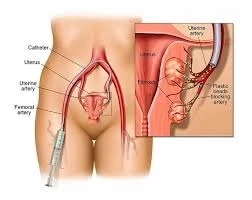
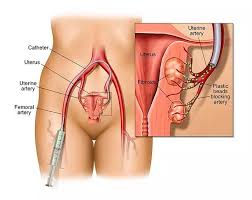
4. Imaging-Guided Therapies
Certain modern, non-invasive therapies use imaging technology to target fibroids without surgical incisions. These approaches are considered based on fibroid size, location, and individual health status.
5. Watchful Waiting
In cases where fibroids cause minimal symptoms, doctors may recommend observation with periodic checkups rather than immediate intervention.
Varicose Veins: More Than a Cosmetic Issue
Varicose veins develop when vein valves weaken, allowing blood to pool in the legs. While often associated with appearance, they can also cause discomfort and fatigue.
Contributing Factors
- Prolonged standing or sitting
- Pregnancy
- Aging
- Family history
Early management can prevent progression and improve daily comfort.
Medicines for Varicose Veins Treatment
Several medicines are used as part of a comprehensive approach to vein health. These do not eliminate veins completely but can reduce symptoms and improve circulation.
1. Venoactive Drugs
These medicines strengthen vein walls, improve blood flow, and reduce swelling. They are commonly prescribed for chronic venous insufficiency.
2. Anti-Inflammatory Medications
Used to reduce pain and inflammation associated with vein congestion.
3. Topical Applications
Creams and gels may help relieve heaviness, itching, and localized discomfort when used consistently.
4. Compression Therapy Support
Although not a medicine, compression stockings work alongside medications to enhance blood return and reduce symptoms.
5. Lifestyle Measures
Medicines for varicose veins treatment are most effective when combined with:
- Regular walking or leg exercises
- Elevating legs during rest
- Maintaining a healthy body weight
The Importance of Early Diagnosis and Individualized Care
One of the most important messages across all three conditions is the value of early evaluation. Whether it is prostate calcification, fibroids, or varicose veins, timely diagnosis allows for conservative treatment options that may prevent the need for invasive procedures.
Every individual’s situation is different. Age, overall health, symptom severity, and future health goals all influence treatment decisions. A qualified healthcare professional can guide appropriate testing, interpret results, and recommend a personalized plan.
When to Seek Medical Advice
While non-surgical approaches are effective for many, medical consultation is essential if:
- Symptoms worsen or persist
- Pain interferes with daily activities
- Bleeding becomes excessive
- Urinary problems increase
Regular follow-ups ensure that treatment remains effective and safe.
Final Thoughts
Advances in medical care have expanded non-surgical options for managing common health conditions. From prostate calcification treatment focused on symptom relief and monitoring, to fibroid treatment without surgery aimed at hormonal balance and comfort, and supportive medicines for varicose veins treatment, patients now have more choices than ever.
Informed decisions, healthy lifestyle habits, and professional guidance form the foundation of successful non-invasive care. By understanding these options, individuals can take proactive steps toward better long-term health and quality of life.

























Sign in to leave a comment.