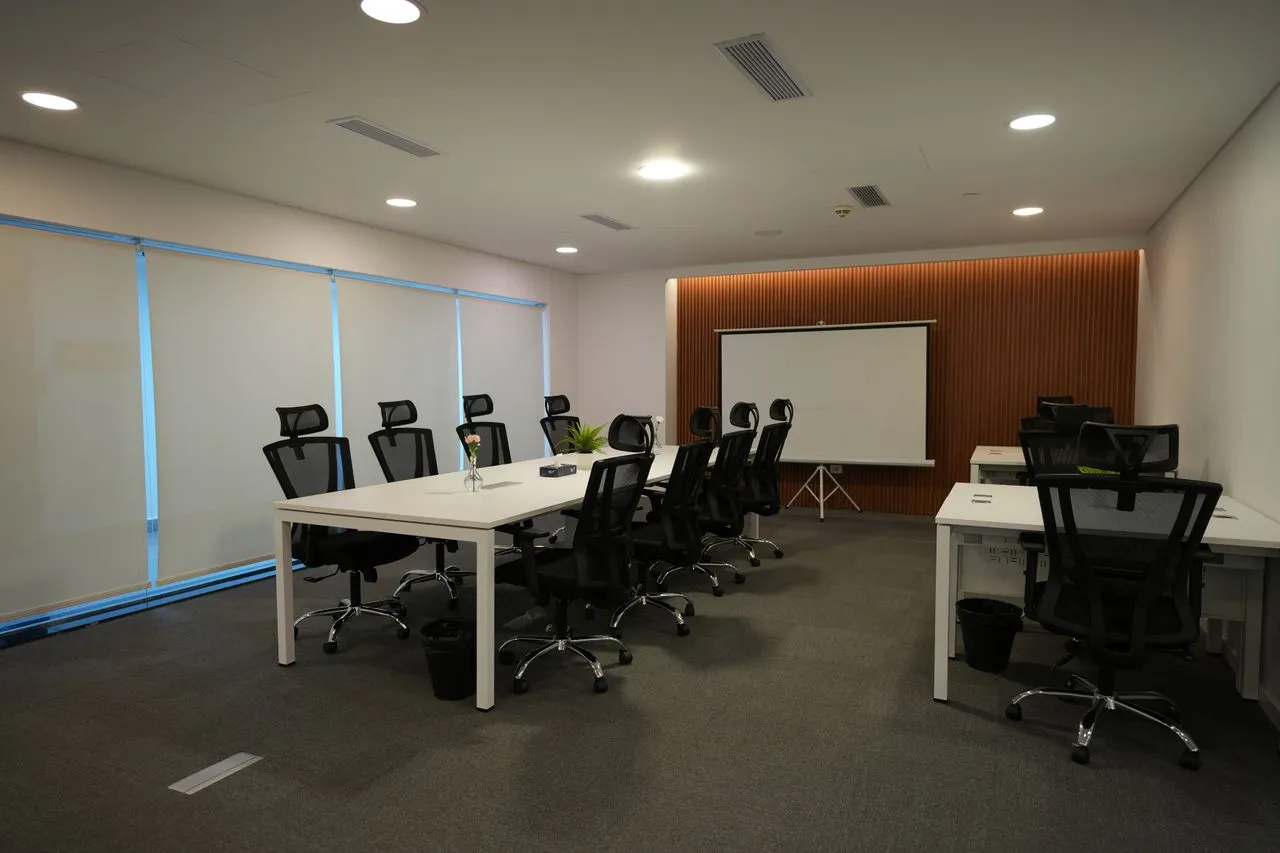

Setting up a new office is more than arranging desks and connecting computers. A well-planned workspace can influence productivity, comfort, collaboration, and even day-to-day operating costs. From choosing the right layout to planning essential facilities, every decision contributes to how effectively the space functions.
Start With the Space, Not the Furniture
Before ordering furniture, understand how the office will be used. Consider the number of employees, meeting requirements, storage needs, visitor areas, and opportunities for future expansion. A thoughtful layout can prevent overcrowding while ensuring that teams have enough space to work comfortably.
Look for natural light, movement between workstations, and access to common areas. Planning these elements early can save considerable time and expense later.
Build a Comfortable Indoor Environment
Temperature is often neglected in workplace planning, yet it impacts everyday comfort. When selecting an office AC, consider the room size, number of occupants, sunlight exposure, and the amount of equipment operating in the space.
Different areas may have different cooling requirements. Meeting rooms, server rooms, cabins, and open workspaces may need separate considerations. Planning cooling requirements alongside the office layout can help create a more consistent indoor environment.
Make Technology Work Behind the Scenes
A modern office depends on reliable technology, so infrastructure should be planned before employees move in. Think about power outlets, networking points, Wi-Fi coverage, video-conferencing equipment, printers, and cable management.
It is equally important to consider where cooling equipment will be positioned. The office AC installation should allow air to circulate effectively without creating uncomfortable drafts or interfering with workstations.
Don't Forget the Everyday Essentials
Small details can have a surprisingly large effect on employee experience. Comfortable seating, adequate lighting, pantry facilities, clean restrooms, storage, and designated collaboration areas all deserve attention.
Maintenance should also be part of the initial plan. Regular servicing of an office AC, for example, can help maintain efficient operation and reduce the likelihood of unexpected disruptions. Keeping a simple maintenance schedule for workplace equipment makes these tasks easier to manage.
Plan Today With Tomorrow in Mind
An office rarely stays the same for long. Teams grow, work patterns change, and businesses adopt new technologies. When purchasing equipment, therefore, it makes sense to consider scalability, energy consumption, maintenance requirements, and long-term usability.
Choosing an office AC with the workspace's actual requirements in mind can be especially useful as cooling needs change with occupancy and seasonal conditions. Similarly, modular furniture and adaptable work zones can make future expansion much easier.
Turn an Empty Room Into a Working Environment
A successful office setup brings together functionality and comfort rather than focusing on individual components in isolation. By planning the layout, technology, climate control, furniture, and maintenance requirements together, businesses can create a workplace that is practical from day one and adaptable for years ahead.






















Sign in to leave a comment.