
If you ask any lab technician about their experimental blunders, chances are they involve acid. It can be a splash that landed a little too close, a fume hood that wasn’t quite doing its job, or a container that wasn’t clearly labeled.
Acid-based experiments are a staple of countless lab procedures, but they come with risks that require constant attention, not some occasional monitoring. Fortunately, most acid-related incidents are entirely preventable with appropriate knowledge, practice, and protective equipment like an acid digestion fume hood.
Here is what every lab should know about staying safe while working with corrosive chemicals.
Understanding the Risks of Acid-Based Laboratory Work
Working with strong acids is not a rare occurrence in many labs, but that familiarity can quietly breed complacency. Acids like nitric, sulfuric, and hydrochloric acid are powerful chemicals, and even a small lapse in handling can escalate quickly. Common risks include:
- Corrosive splashes can cause skin and eye damage
- Harmful fumes and vapors released during heating or digestion can irritate the respiratory system. They may even cause long-term harm with repeated exposure.
- Accidental exposure through skin contact or inhalation, often the leading cause of lab injuries
- Damage to samples, equipment, and work area, which can compromise results and shorten expected lifespan
Proper safety measures aren't just about avoiding injury; they're essential for protecting personnel and ensuring experimental outcomes stay accurate and reliable.
Essential Safety Practices for Handling Acid-Based Experiments
Good safety habits start long before the experiment begins. Every lab should follow a few non-negotiables:
- Wear appropriate PPE: Wear gloves, goggles or face shields, and acid-resistant lab coats every time
- Store chemicals properly: Use compatible containers, clear labeling, and keep acids separate from incompatible substances like bases or oxidizers
- Follow consistent handling procedures: Always add acid to water (never the reverse), and use proper tools for transferring chemicals
- Avoid direct exposure: Never work with acids in a rushed or distracted state
- Keep workspaces clean and organized: Clutter increases the chance of spills or accidental contact
- Understand chemical compatibility: Knowing what not to mix is just as important as knowing how to handle each substance
None of these practices are complicated individually, but together, they build a culture of safety that protects everyone in the lab.
The Importance of Proper Ventilation During Acid-Based Procedures
Even with the best handling practices, acids often release fumes that need somewhere to go. A few things worth keeping in mind:
- Open, poorly ventilated spaces increase exposure risk, allowing vapors to build up over time
- Ventilation systems help control hazardous fumes by pulling them away from the breathing zone rather than letting them linger
- Specialized equipment is often necessary, especially during acid digestion, where samples are heated with concentrated acids to break them down for analysis
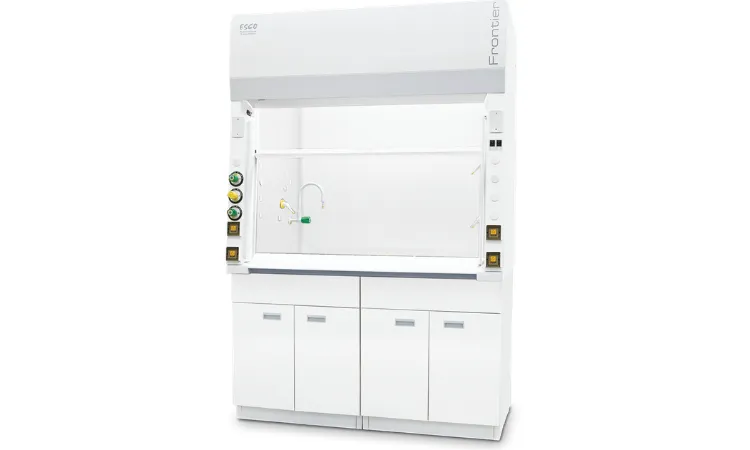
General room airflow usually isn't enough for procedures involving corrosive or volatile chemicals. This is where an acid digestion fume hood becomes essential, designed specifically to capture and remove acidic fumes at the source, giving lab personnel a controlled environment to carry out digestion and similar processes without unnecessary exposure risk.
How to Choose the Right Safety Equipment for Acid Handling
Selecting the right equipment isn't a one-size-fits-all decision. Before making a choice, consider:
- Type of chemicals used: Different acids carry different risks and resistance requirements
- Frequency of acid-based procedures: Frequent digestions call for more robust, durable solutions
- Required level of protection: Based on concentration, volume, and process intensity
- Workspace requirements: Available space, layout, and existing airflow setup
- Material resistance and durability: Equipment should withstand acidic vapors without corroding over time
- Ventilation capabilities: Especially critical for fume-heavy processes like acid digestion
The right equipment should match the specific risks of your lab's applications, not just fit the budget.
Creating a Safer Environment for Acid-Based Laboratory Work
In experiments involving chemicals, prevention is all about using good laboratory practices, along with the right equipment and facilities. PPE, appropriate storage, and meticulous procedures are the building blocks, but ventilation and special equipment increase safety.
Solutions like an acid digestion fume hood are an essential part of experiments where toxic, acidic fumes are involved. Combined safety practices and equipment allow lab operators to work with acids with greater confidence and ensure both safety and accuracy.























Sign in to leave a comment.