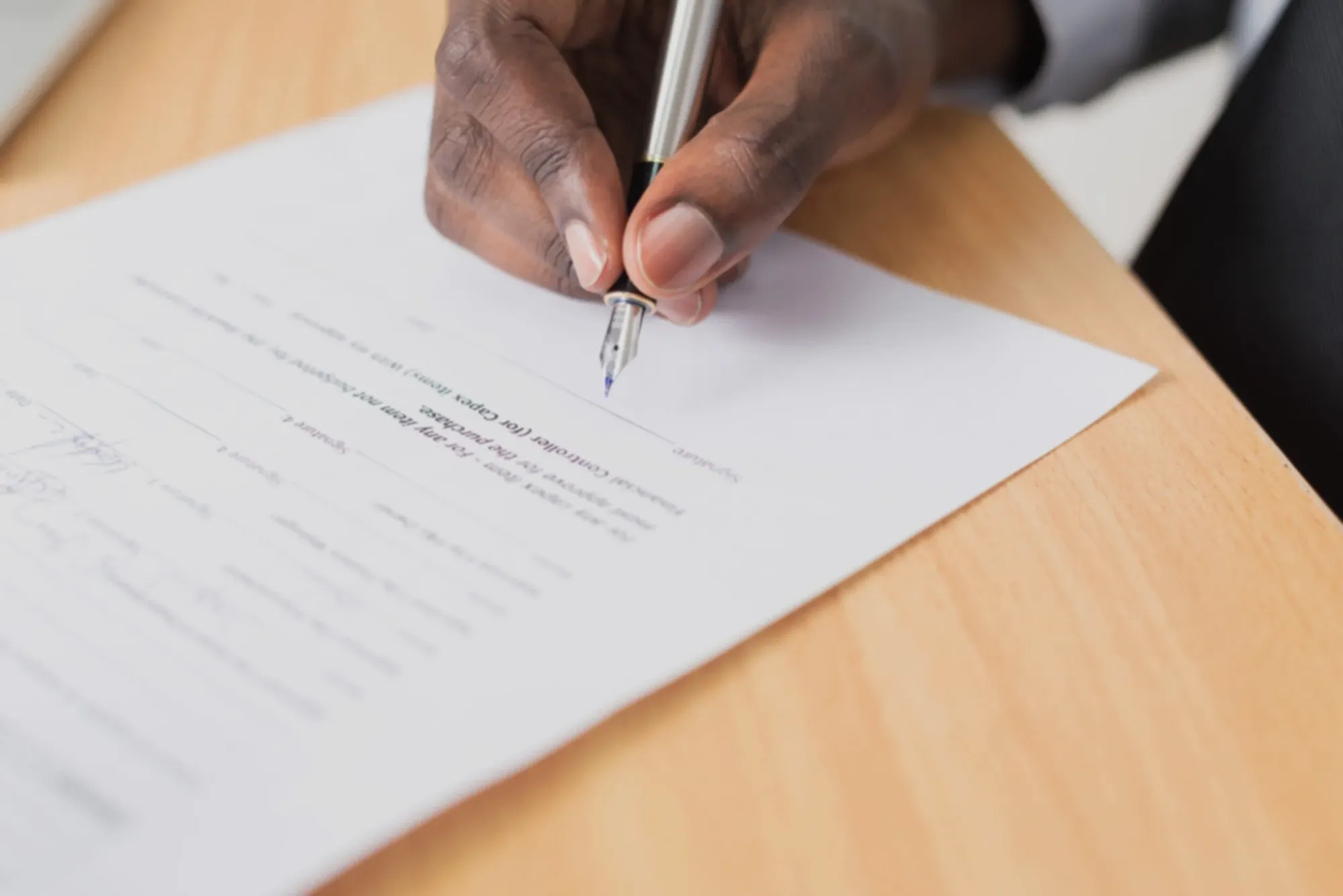

In today's increasingly connected world, people frequently need to use important documents outside their home country. Whether someone is planning to study abroad, accept an overseas job, get married internationally, expand a business, or handle legal matters in another country, proper document authentication can become an essential part of the process.
International paperwork may seem confusing at first because every country has its own administrative procedures. A document that is completely valid in one nation may require additional verification before authorities in another country will accept it. Understanding the authentication process can save time, reduce unnecessary delays, and help individuals prepare their paperwork correctly.
Why International Document Authentication Matters
Official documents carry legal and administrative importance. Birth certificates, marriage certificates, educational records, court documents, powers of attorney, and business papers may all need verification before being presented to foreign authorities.
The purpose of authentication is to confirm that a signature, seal, or official stamp on a document is genuine. This creates greater confidence between institutions in different countries and helps prevent the use of unauthorized or improperly prepared paperwork.
An Apostille is commonly used as a standardized form of authentication for documents intended for use between countries that participate in the Hague Convention process. Instead of going through several layers of legalization, eligible documents can often follow a more streamlined procedure.
Common Situations That Require Document Verification
People may encounter international authentication requirements in many different situations. Students applying to foreign universities may need verified academic certificates. Professionals relocating for employment may be asked to provide authenticated qualifications or personal records.
Families moving overseas might need properly prepared birth or marriage certificates. Business owners may also require authentication for corporate documents when establishing relationships with international organizations or conducting transactions abroad.
Legal matters can create additional requirements. A power of attorney prepared in one country, for example, may need official verification before it can be recognized elsewhere. Preparing these documents carefully before submitting them can help prevent rejection and repeated applications.
Understanding the Importance of Accuracy
Accuracy is one of the most important factors in document preparation. Authorities may reject paperwork because of incorrect names, missing signatures, expired certificates, or incomplete notarization.
Before beginning the authentication process, individuals should carefully review the requirements of the destination country. Different organizations may request original documents, certified copies, translations, or recently issued certificates.
It is also important to verify whether a translation must be completed by an approved or certified translator. Even a properly authenticated document may face delays if the receiving authority cannot understand its contents.
Keeping copies of every document and receipt is another useful practice. Organized records make it easier to track applications and respond quickly if additional information is requested.
Planning Ahead Can Prevent Delays
International document processing is rarely something that should be left until the last minute. Processing times can vary depending on the type of document, the issuing authority, and the country where the paperwork will be used.
Planning ahead gives applicants enough time to correct errors or obtain replacement documents when necessary. This is especially important for people facing university enrollment deadlines, immigration appointments, international job start dates, or overseas business opportunities.
A clear checklist can make the process easier. Start by identifying the documents required, confirming whether notarization is necessary, checking translation requirements, and reviewing the authentication rules of the receiving country.
Professional Guidance Can Make the Process Easier
Although some people choose to manage document authentication independently, professional assistance can be valuable when dealing with multiple documents or unfamiliar procedures. Experienced service providers can help explain the required steps and identify potential issues before documents are submitted.
An Apostille service may be particularly helpful for individuals who are preparing important paperwork for international use and want assistance navigating administrative requirements efficiently.
However, applicants should always provide accurate information and ensure that their documents are legitimate and properly issued. Professional support can simplify the administrative journey, but the responsibility for providing correct documentation remains important.
Final Thoughts
International opportunities often come with important paperwork requirements. Whether the goal is education, employment, family relocation, business expansion, or legal representation, properly authenticated documents can play a major role in ensuring a smooth process.
Understanding requirements early, checking documents carefully, and allowing sufficient processing time can reduce stress and prevent unnecessary complications. With good preparation and attention to detail, individuals and businesses can approach international documentation with greater confidence and focus on the opportunities waiting ahead.
























Sign in to leave a comment.