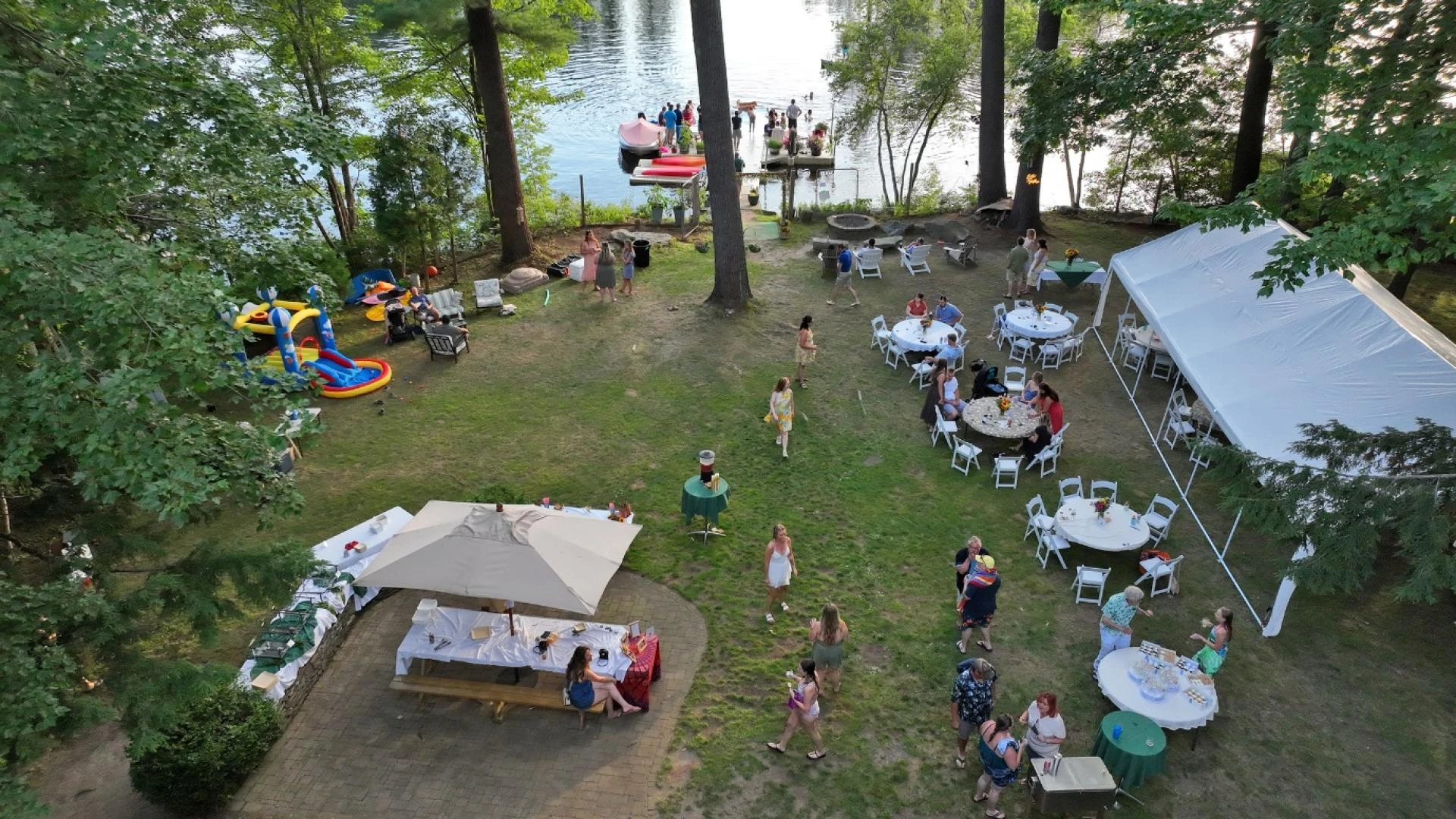

Booking a drone team can feel straightforward until you start thinking about timing, safety, permissions, and what you actually want the footage to show. The good news is that it’s easy to plan when you follow a clear process, and the result is usually far more impactful than standard ground-only coverage. If you’re considering event drone photography in Maine, the smartest approach is to start with your goals, then work backwards into logistics and shot planning. A useful first step is to review what a provider offers, so you understand what coverage can include.
Step 1: Get clear on what you want the drone to capture
Before contacting anyone, decide what “success” looks like. Most event drone coverage falls into a few common outcomes:
● A short highlight video for social media
● A cinematic keepsake film for personal events
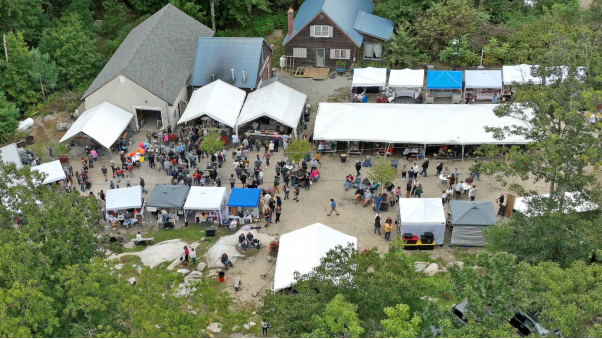
● Wide establishing shots that show the venue and crowd
● Aerial images for promotional use after the event
● Coverage of key moments like entrances, speeches, or group shots
Think in scenes, not just shots. For example: “arrival to the venue,” “guests gathering,” “the big moment,” and “a closing pullback as the event wraps.” When the goal is clear, the drone team can recommend realistic options based on the location, weather, and schedule.
Step 2: Choose a drone team that prioritises compliance and planning
Not every drone operator is the right fit for event work. Events have moving people, tight timelines, and limited opportunities to redo a moment. The ideal provider should be comfortable coordinating with planners, photographers, and venues.
A key requirement is that the operator should be a FAA-certified drone operator in Maine, because compliance is not optional when people, property, and busy environments are involved. Certification also signals that the operator understands flight restrictions, safety procedures, and how to plan routes without disrupting the event.
To understand how a team approaches safety and professionalism, it is helpful to learn about who they are and how they operate. Quality Aerials shares its background and approach on its About Us page, which can be useful when comparing options.
Step 3: Confirm the location rules, permissions, and safety constraints
This is where many bookings go wrong: a client assumes the drone can fly anywhere, then discovers limitations a week before the event.
A good drone provider will help check:
● Whether the venue allows drone flights on-site
● Nearby restrictions (airports, helipads, sensitive areas)
● Crowd proximity rules and safe operating distances
● Whether take-off and landing zones are available
● Time-of-day constraints (lighting, noise considerations, venue schedule)
Some venues will require proof of insurance or a written plan. Others may want the drone operator to coordinate directly with staff. This is normal and should be treated as part of professional event preparation, not an inconvenience.
Step 4: Build a shot plan that fits the real timeline
Event drone coverage works best when it’s planned around natural pauses and predictable moments. A drone cannot be everywhere at once, and pilots must fly safely rather than chase every moving subject.
A practical shot plan often includes:
Establishing shots
Wide aerial views of the venue, parking flow, or landscape context. These shots set the scene and make the final edit feel more cinematic.
Key-moment coverage
Select moments where aerial perspective adds meaning. For example: a ceremony exit, a group formation, or a headline moment that looks better from above.
Buffer windows
Short time windows that allow flexibility if the schedule shifts. Events run late, speeches change order, and the weather moves in. Plan for it.
For weddings specifically, many couples book wedding drone videography in Maine to capture the venue atmosphere and the scale of the day without turning the event into a film set. When done well, it adds emotion and context while staying discreet.
Step 5: Ask what deliverables you’ll receive and when
Before you book, confirm exactly what you’re getting. The best providers will be clear about outputs, editing options, and timelines.
Helpful questions include:
● How many edited clips or photos are included?
● Will you receive raw footage, edited footage, or both?
● What is the expected delivery timeline?
● Are revisions included in the package?
● What formats will the final files be delivered in?
It’s also smart to ask how footage can be used. Some clients want personal sharing only, while others want full marketing usage for businesses and venues. Your provider should confirm licensing and intended use up front.
If you want an idea of visual style, shot types, and finished quality, reviewing a portfolio is essential. Quality Aerials’ Gallery offers examples that can help clients understand what a “finished” aerial deliverable looks like.
Step 6: Day-of expectations for smooth aerial coverage
On the event day, smooth drone coverage depends on coordination. A professional team will typically:
● Arrive early to assess wind, light, and site layout
● Confirm take-off and landing zones
● Coordinate with the planner or point person
● Fly only during agreed-upon windows to avoid disruption
● Maintain safe distances and avoid flying directly over crowds
Clients can help by assigning a single contact person who can approve timing changes and answer quick questions. This prevents confusion when the schedule shifts.
Step 7: After the event, maximise the value of your footage
Aerial content can do more than document the day. It can support:
● Post-event recaps and highlights
● Venue marketing (with permission)
● Sponsorship decks for future events
● Social media clips that extend interest for weeks
If the event is commercial, a good provider can advise on how to structure edits so you end up with multiple usable assets, not just one long video.
Book with clarity, and the results will feel effortless
Booking drone coverage is simplest when the process is treated like any other part of event planning: define goals, confirm permissions, plan key shots, and set expectations for deliverables. When clients choose a professional drone photographer in Maine, they’re not just paying for equipment — they’re paying for safe planning, clean capture, and footage that fits the event rather than competing with it.
For clients who want predictable outcomes and clear inclusions, reviewing drone photography packages in Maine on the provider’s site helps align budget with deliverables before the booking is confirmed. Quality Aerials offers event coverage options and aerial deliverables through their Services, and the simplest next step is to contact Quality Aerials to discuss your event, location, and ideal shot plan.
About the Author
The author is an experienced aerial media and event-coverage professional with extensive knowledge of drone operations, safety planning, and visual storytelling. They’ve advised businesses and private clients on securing smooth aerial coverage and creating footage that looks polished, compliant, and truly memorable.




























Sign in to leave a comment.