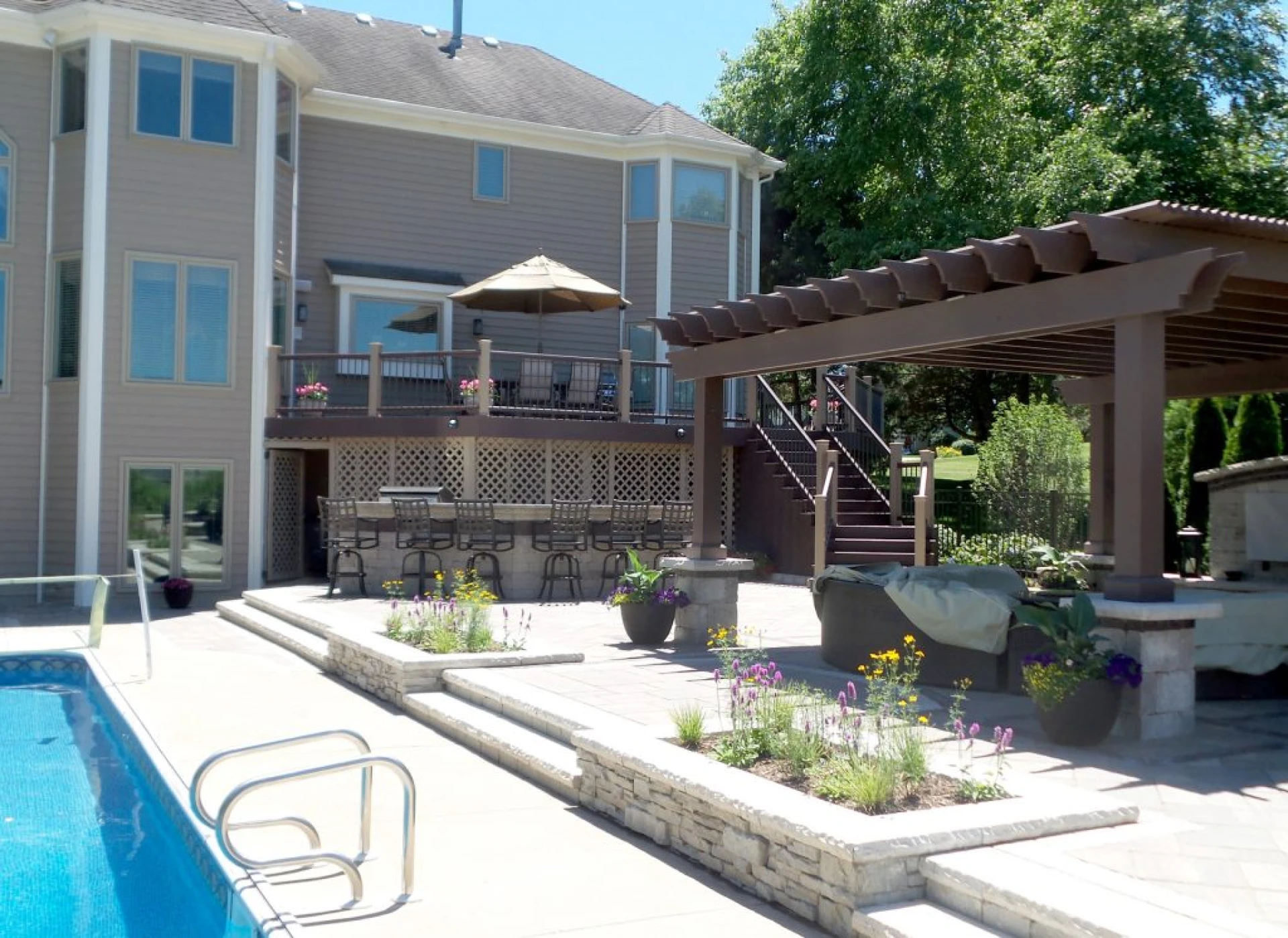

Pergolas look simple, but the details determine whether they stay square, solid, and attractive through years of weather. Small missteps can lead to shifting posts, sagging beams, or a layout that never feels quite right. Homeowners searching for a deck builder in Batavia, IL often find that the best projects begin with careful site planning, not last-minute decisions. Backyard Images Inc. offers a helpful starting point in its guide to site preparation for pergola installation.
Mistake 1: Treating Footings Like a Minor Detail
Footings are the foundation of pergola durability. In a freeze-thaw climate, shallow or poorly prepared foundations can move season after season. That movement shows up as posts that lean, beams that rack out of square, and fasteners that loosen over time.
A smarter approach starts with soil and water. If the soil holds moisture, the design needs to account for drainage and long-term stability. Post bases should be chosen for moisture resistance, and the surrounding grade should encourage water to move away from post locations. Even if the pergola itself is wood, the connection details can determine whether moisture becomes a persistent problem.
Mistake 2: Getting Post Spacing Wrong
Pergola spacing is part structure, part experience. Too wide, and the beams can feel under-supported. Too tight, and the space feels crowded or difficult to furnish.
Spacing should be driven by how the pergola will be used. A dining set needs room for chairs to slide back and for people to circulate. A lounge area needs space for sectional pieces or club chairs without bumping posts.
Visually, posts should also align with the deck. When posts land in strange places relative to rail lines and stairs, the pergola looks accidental. Proper alignment makes the pergola feel like it was always part of the plan.
Mistake 3: Choosing Materials Without Considering Weather and Hardware
A pergola lives outdoors full time, so materials and fasteners must be chosen with that reality in mind. Wood species, moisture content, and protective approaches all matter, as do the connectors that hold the structure together.
If the deck surface includes real wood decking, moisture exposure becomes even more important to manage because water can sit on surfaces and around posts. Hardware should be rated for exterior use and compatible with the lumber and any nearby materials. The goal is to reduce corrosion, avoid staining, and keep connections strong.
Material selection also affects how the pergola ages. Some homeowners like natural character, while others want a cleaner look for longer. Either way, the build should be planned so boards drain well, joints stay tight, and the structure resists seasonal movement.
Mistake 4: Underbuilding Connections and Ignoring Load Paths
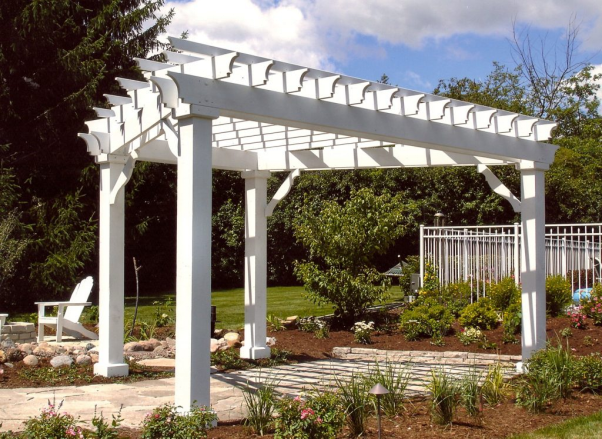
Pergolas are open structures, but they still handle real forces. Wind can push laterally. Uplift can tug at connections. Snow can add weight. If the load path is not considered, the structure can wobble, rack, or loosen over time.
Key details include proper post-to-footing connections, beam attachment methods, and bracing where needed. It is not just about heavy lumber. A pergola built with good connections can outperform a heavier pergola built with weak joinery.
This becomes especially important when a pergola is integrated with a deck. The deck framing and the pergola framing need to work together safely. Projects involving deck construction in St. Charles, IL often benefit from a builder who plans connections early, before decking boards and rails lock in the final layout.
Mistake 5: Designing It Like a Roofed Structure
A common misstep is treating a pergola like the start of a roof, then forcing the design into something it was never meant to be. A pergola is open by nature. It can support lighting and flexible shade elements, but it is not a full roof system.
That distinction matters for permits, water management, and long-term performance. It also matters for expectations. The most satisfying pergolas embrace open-air comfort rather than trying to eliminate every drop of sun.
Backyard Images Inc. focuses on open pergolas rather than full roof structures over decks, which keeps the design aligned with what pergolas do best.
Mistake 6: Skipping the Future-Upgrade Plan
Even if you do not want lighting or shade right away, the structure should be ready for it. Skipping that planning can lead to visible conduit, awkward fixture placement, or later modifications that weaken structural members.
A small amount of foresight helps. Builders can plan hidden routes for wiring, choose locations where fixtures make sense, and preserve access points for future additions. When done right, the pergola looks clean now and remains upgrade-friendly later.
Build With Fewer Surprises and More Confidence
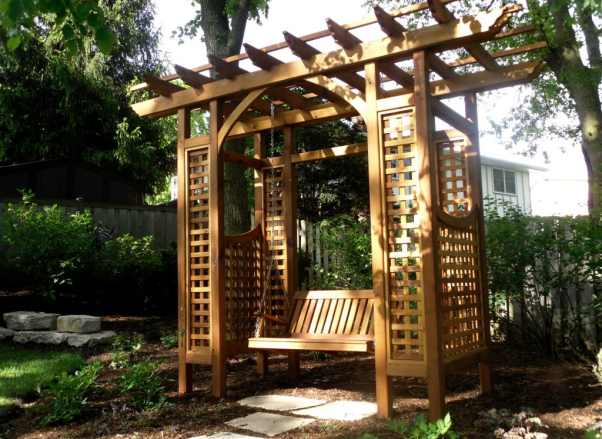
Most pergola problems are avoidable. Solid footings, correct spacing, weather-smart materials, and strong connections set the project up for long-term success. If you are considering a deck installation project in Batavia, IL, and want a pergola that stays straight, sturdy, and visually balanced, it helps to work with a team that understands both structure and outdoor living design. Backyard Images Inc. builds custom open pergolas that complement decks and patios, and homeowners can learn more about options on its pergolas and arbors service page. For guidance on a safe plan or a backyard deck renovation in Batavia, IL, that integrates an open pergola the right way, contact Backyard Images Inc..
About the Author
Jordan Miles is an outdoor living design consultant who advises homeowners on pergola planning, structural best practices, and weather-ready detailing. With years of experience reviewing build plans and troubleshooting common failures, Jordan focuses on footings, connections, and layout decisions that keep projects stable, code-conscious, and enjoyable through every season.

























Sign in to leave a comment.