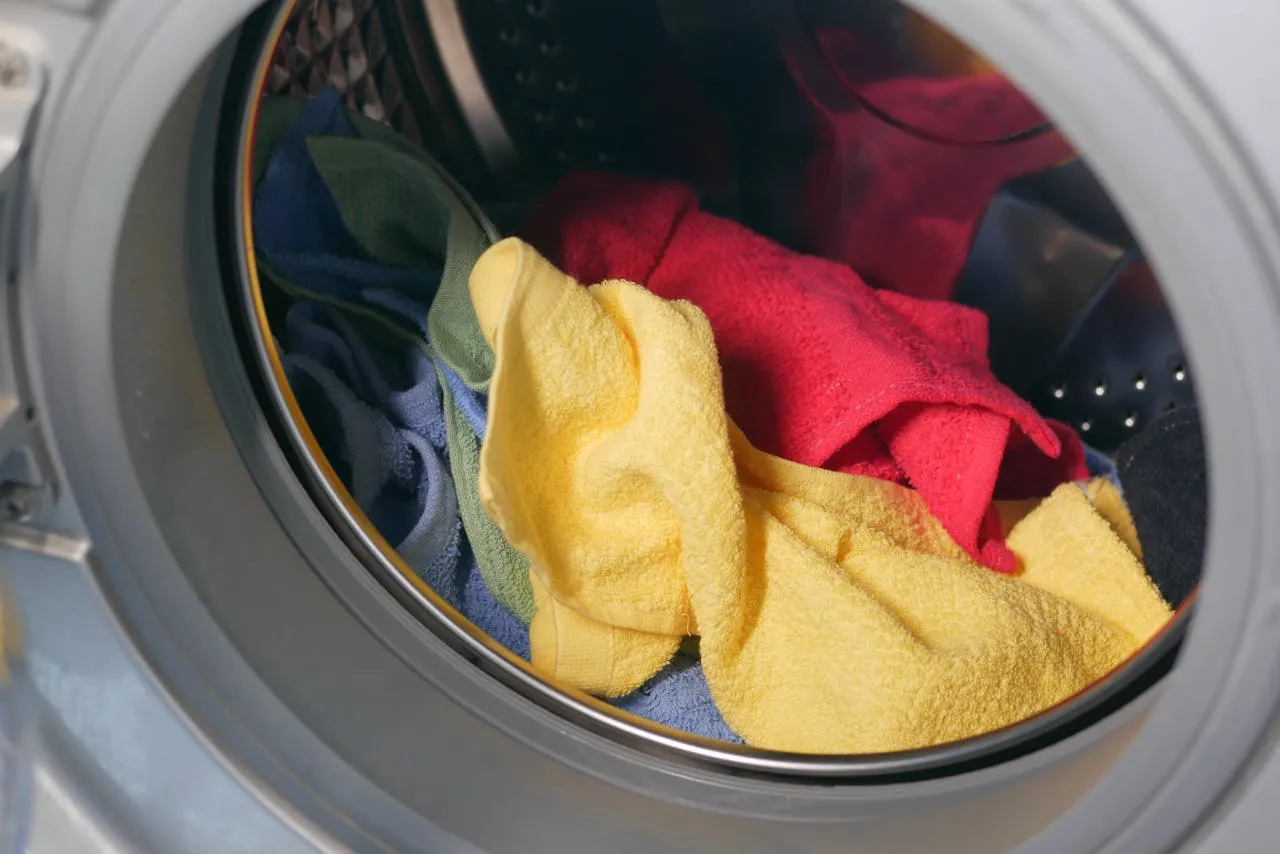

Buying a washing machine sounds easy until you realize how many options, features, and price points exist. One mistake can make you suffer for years of frustration, higher bills, or even damaged clothes. To help you make a smarter investment, here are some common washing machine buying mistakes that you should avoid.
1. Ignoring Your Actual Laundry Needs
It’s always easy to get tempted by all those flashy features, but your purchase should start with a simple question: “What do you really need?” A large family will require a higher capacity machine, while a single person or couple might do just fine with something compact. Overestimating or underestimating capacity can either waste money or make laundry a constant chore.
2. Choosing Price Over Value
Budget matters, but choosing the most affordable product often backfires. Low-cost machines may lack durability, efficiency, or essential wash programs. Rather than just focusing on the price tag, consider long-term value - energy efficiency, water usage, and build quality all play a role in saving money over time.
3. Overlooking Energy and Water Efficiency
A washing machine is a long-term appliance, and its running costs can add up significantly. Failure to pay attention to energy stars or water usage is a common mistake. A slightly more expensive but efficient model can reduce your monthly utility bills and environmental impact.
4. Not Understanding the Types Available
Most consumers make purchases without understanding the difference between front load and top load machines. For instance, an automatic top load washing machine is user-friendly, generally more affordable, and needs less bending, which makes it a popular choice for many households. However, it may use more water than the front-load models. Knowing these trade-offs helps you pick what suits your lifestyle best.
5. Ignoring Space and Installation Requirements
Before buying, check your available space carefully. Many people forget to consider door clearance, water connections, and drainage. A machine that doesn’t fit properly can lead to unnecessary returns or awkward installations.
6. Falling for Unnecessary Features
Modern washing machines come packed with smart features like Wi-Fi connectivity, app controls, and various wash modes. Although some individuals find these useful, not everyone needs them. Paying extra for features you’ll rarely use is a common mistake. Focus on essential functions like wash quality, durability, and ease of use.
7. Skipping Reviews and Brand Research
Not all brands provide the same reliability or after-sales service. Ignoring customer reviews and proper research about service availability in your area can result in unnecessary problems in the future. A highly-rated model with good support is always a better choice.
8. Not Checking Warranty and Service Options
A washing machine is a significant investment, and therefore, a warranty becomes a key issue for many customers. Many buyers overlook the details regarding a warranty, such as its terms and benefits, and whether extended warranties are worth it. Reliable service support is especially important for complex appliances.
9. Assuming One Type Fits All
There are even variations among similar products. For instance, an automatic top load washing machine may have various wash programs, drum materials, and build quality. Assuming all models are the same can result in missing out on better-suited options.
Conclusion
Buying a washing machine doesn’t have to be overwhelming. By avoiding these common mistakes, you can make a choice that fits your needs, budget, and lifestyle. Take your time, compare options, and focus on long-term benefits rather than short-term savings. Some research now can save you years of inconvenience later.




























Sign in to leave a comment.