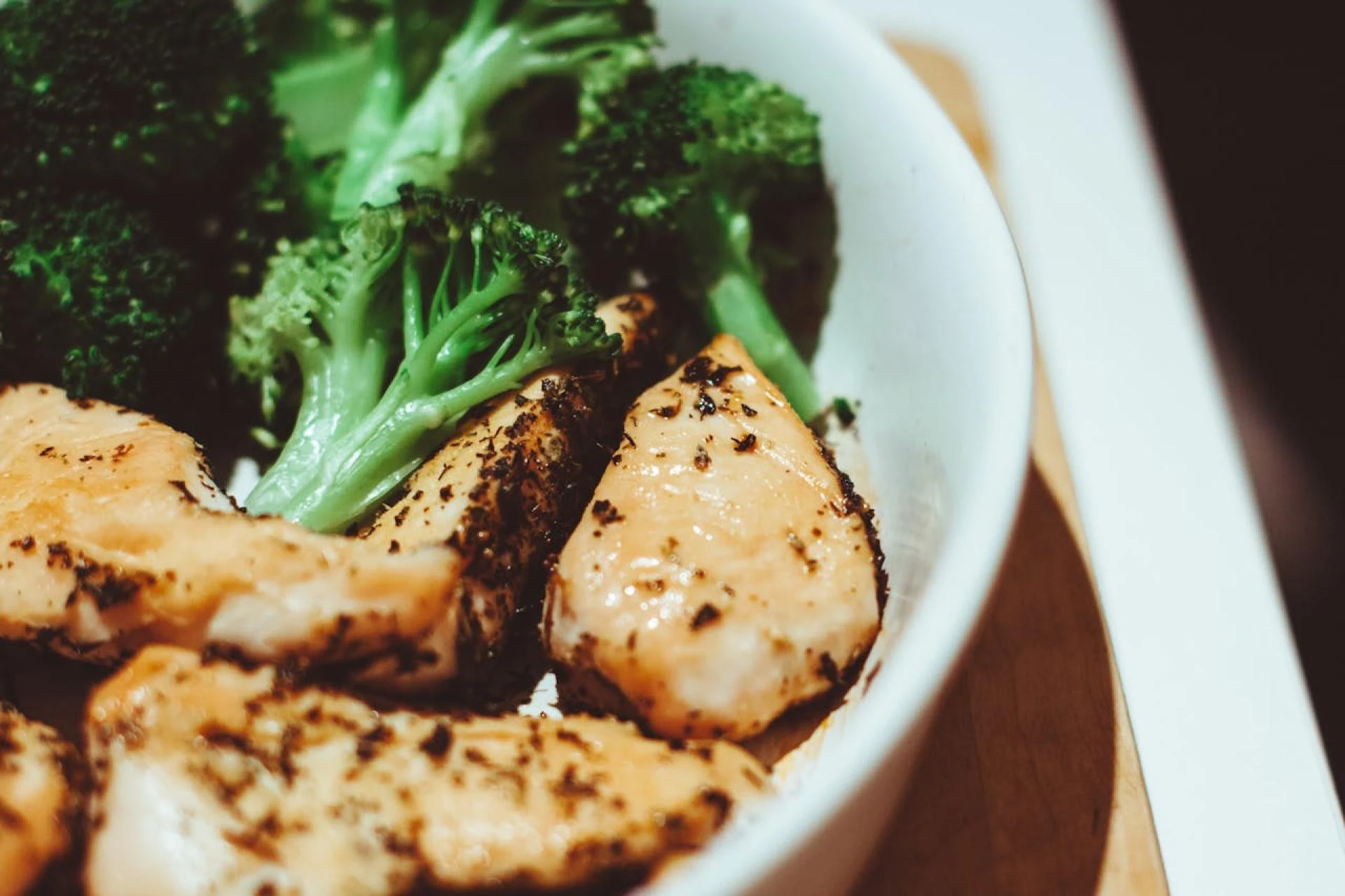

Food waste is a serious issue that affects many people. From forgotten vegetables at the back of the fridge to leftovers that never get eaten, a significant amount of food ends up being discarded every week. Reducing food wastage is not only good for your budget but also advantageous for the environment. With some simple habits and smarter kitchen organization, you can use groceries in a better way when you buy and ensure that food stays fresh for longer.
Plan Before You Shop
One of the easiest ways to reduce food waste is to plan your meals. Before heading to the grocery store, note down what you already have in your kitchen. Create a weekly meal plan according to those ingredients and make a shopping list.
Planning helps you avoid buying items you don’t actually need. It also encourages you to use up existing ingredients before purchasing fresh ones. When you shop with a clear list, you are far less likely to make impulse purchases that may later go to waste.
Store Groceries the Right Way
Storing your food the right way is also a great way to extend the life of fresh produce and dairy products. Many people unknowingly keep items in places where the temperature is not perfect, making food spoil faster.
Modern refrigeration appliances, like those with separate compartments and better ventilation, can be of great help in ensuring that there is uniform cooling of different types of food. For instance, a double door fridge has separate compartments for fruits, vegetables, and frozen foods, making it easy to organize one’s groceries and ensuring that they stay fresh for longer.
Another useful habit is labeling leftovers or freshly cut items with the date. This simple step allows you to keep track of how long something has been stored and prioritize consuming it before it spoils.
Organize Food for Easy Visibility
One of the main reasons why food goes bad is simply because one forgets about it. Food in the fridge gets hidden by other items, hence going bad without being consumed in time.
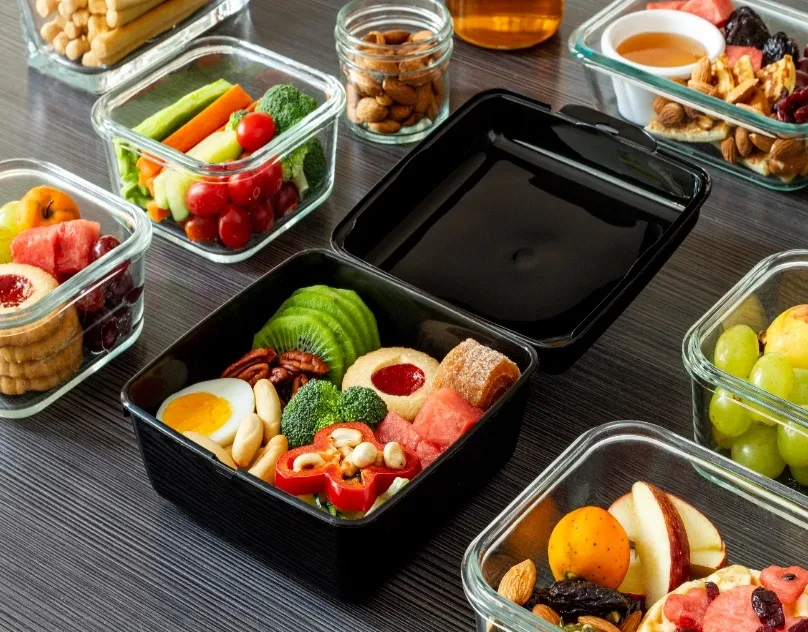
One can try adopting the “first in, first out” policy. This means that one should ensure that older items in the fridge are at the front, hence being consumed before newer items. One can also use transparent containers to help one easily spot items without having to open every container.
One can also improve organization in one’s fridge. For instance, having a double-door fridge can be of great help in ensuring that one is able to separate different types of food, hence being able to easily spot items without having to disrupt all items in the fridge.
Get Creative with Leftovers
Leftovers don’t have to be boring. In fact, they can often become the base for entirely new dishes. Cooked vegetables can be turned into soups or wraps, while leftover rice can be used for fried rice or quick stir-fry meals.
Keeping small portions of extra food properly stored also makes quick meals easy on busy days. Rather than ordering takeout, you can just reheat what you already have.
Understand Expiry Dates Better
It’s understandable that people get confused between “best before” and “expired.” The truth is, “best before” may not necessarily be about food safety. Food like packaged snack foods, sauces, and dry goods may be usable even after this date if stored properly.
By understanding these labels and using your senses, checking smell, texture, and appearance, you can avoid perfectly good food from being thrown away.
Reducing food wastage doesn’t need drastic lifestyle changes. Small habits like better meal planning, proper storage, and smarter organization can go a long way. Over time, these practices not only help save money but also make a more efficient and sustainable kitchen routine.




























Sign in to leave a comment.