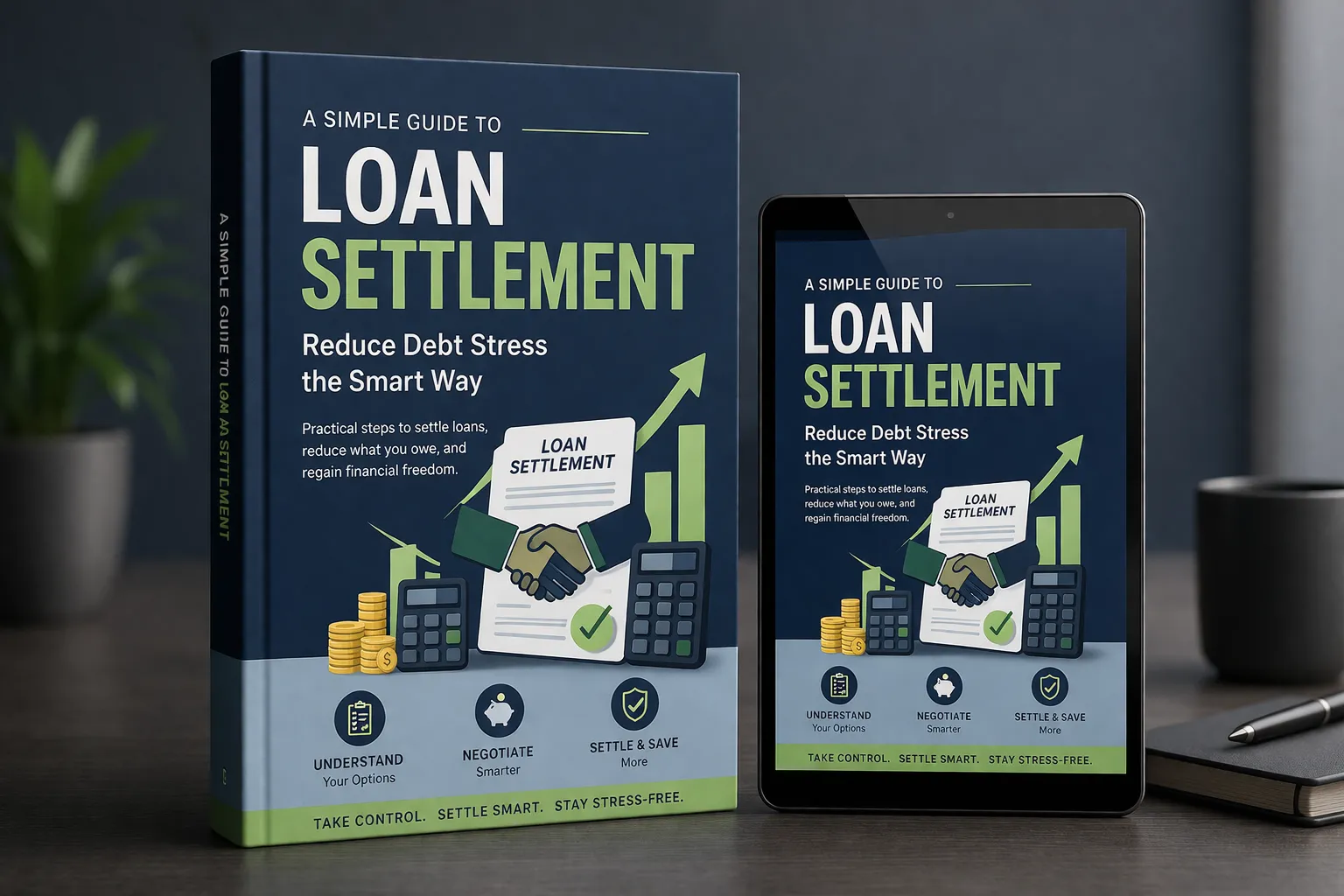

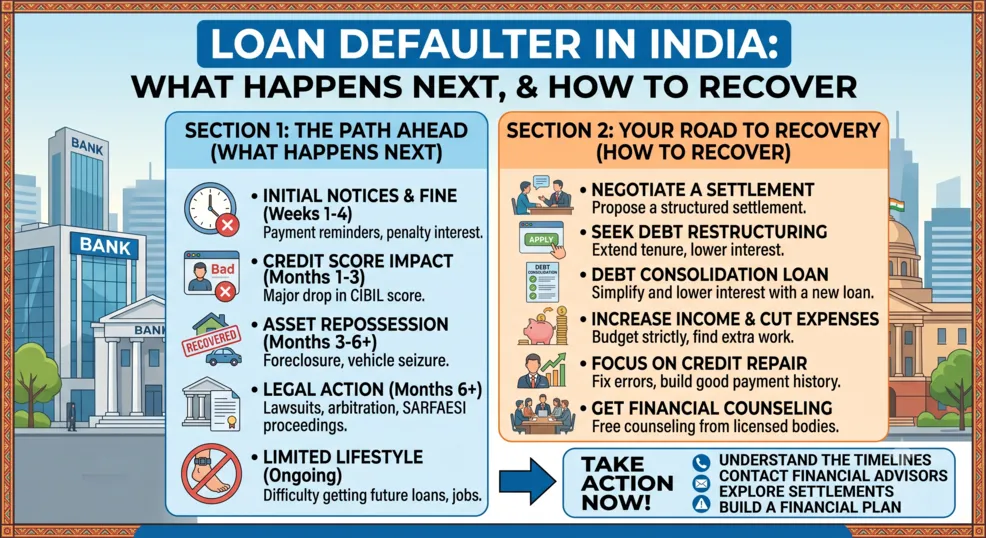
Debt can feel overwhelming. When bills pile up and payments become difficult, it’s easy to feel stuck. But here’s the good news you’re not alone, and there are practical ways to take control of your finances again. One such solution is loan settlement.
In this guest post, we’ll break down what loan settlement means, how it works, and how it can help you get back on track using simple, everyday language that anyone can understand.
What is Loan Settlement?
Loan settlement is a process where a borrower negotiates with a lender to pay a reduced amount instead of the full outstanding loan. This usually happens when the borrower is unable to repay the loan in full due to financial hardship.
Instead of continuing to struggle with missed payments, penalties, and stress, loan settlement gives you a chance to close the loan by paying a smaller amount as a one-time settlement.
Think of it like this:
If you owe ₹1,00,000 and can’t repay it, the lender may agree to settle it for ₹60,000 or ₹70,000. Once you pay the agreed amount, the loan is considered closed.
Why Do People Choose Loan Settlement?
Life doesn’t always go as planned. Financial problems can happen to anyone. Here are some common reasons why people consider loan settlement:
- Job loss or reduced income
- Medical emergencies
- Business losses
- High-interest debt piling up
- Multiple loans becoming hard to manage
In such situations, continuing to pay full EMIs becomes difficult. Loan settlement offers a way to reduce the burden and move forward.
How Does Loan Settlement Work?
The process of loan settlement is fairly straightforward, but it requires proper planning and communication.
Step 1: Assess Your Financial Situation
First, understand your current financial condition. How much can you realistically afford to pay? This is important before starting any negotiation.
Step 2: Contact the Lender
Reach out to your lender and explain your situation honestly. Most lenders are open to settlement discussions if they see that repayment is genuinely difficult.
Step 3: Negotiate the Amount
This is the key step. The lender may offer to reduce the total amount owed. The final settlement amount depends on factors like:
- Loan type
- Outstanding balance
- Your repayment history
- Your financial condition
Step 4: Make the Payment
Once both sides agree, you pay the settled amountusually as a lump sum.
Step 5: Get Confirmation
Always ask for a written settlement letter stating that the loan is closed. This is very important for your records.
Benefits of Loan Settlement
Loan settlement can be a relief when you’re under financial pressure. Here are some key benefits:
1. Reduces Financial Stress
Paying a smaller amount instead of the full loan can bring instant relief.
2. Helps Close the Loan Faster
Instead of dragging the loan for years, you can close it quickly.
3. Avoids Legal Trouble
If you default for too long, lenders may take legal action. Settlement can help avoid that.
4. Gives a Fresh Start
Once the loan is settled, you can focus on rebuilding your finances without constant pressure.
Are There Any Downsides?
While loan settlement is helpful, it’s important to understand its impact as well.
1. Credit Score Impact
Loan settlement can affect your credit score. It may be marked as “settled” instead of “closed,” which lenders may see as a risk.
2. Future Loan Difficulty
Because of the credit impact, getting loans in the future may become harder, at least for some time.
3. Not Suitable for Everyone
If you can repay your loan fully, that’s always the better option. Settlement is usually for serious financial hardship cases.
Tips for a Successful Loan Settlement
If you’re considering loan settlement, here are some simple tips to make the process smoother:
Be Honest
Always explain your situation clearly. Lenders are more likely to cooperate if they trust your intent.
Keep Records
Maintain all documents, emails, and agreements related to the settlement.
Negotiate Smartly
Don’t accept the first offer blindly. Try to negotiate a better deal if possible.
Get Everything in Writing
Never rely on verbal agreements. Always get written confirmation.
Plan Your Payment
Make sure you can arrange the settlement amount before finalizing the deal.
When Should You Consider Loan Settlement?
Loan settlement is not the first option it’s usually the last resort. You should consider it when:
- You’ve already missed multiple EMIs
- You’re unable to repay even after restructuring
- Your financial situation is unlikely to improve soon
- You want to avoid legal or collection pressure
If you’re still managing payments somehow, it’s better to explore other options first like restructuring or refinancing.
How Professional Help Can Make a Difference
Handling loan settlement alone can be stressful and confusing. This is where professional services can help.
Experts understand how lenders work and can negotiate better terms on your behalf. They also guide you through the process step-by-step, making things easier and less stressful.
If you’re looking for reliable guidance, you can explore services like this:
https://www.thezavo.com/settle
Such platforms are designed to help individuals settle their loans efficiently while minimizing stress and confusion.
Final Thoughts
Debt can feel heavy, but it doesn’t have to control your life. Loan settlement is one of the practical ways to deal with financial challenges when loan repayment becomes difficult.
The key is to act early, stay informed, and make decisions wisely. Whether you handle it yourself or take professional help, the goal is the same to reduce your burden and move toward financial freedom.
Remember, it’s okay to ask for help and explore your options. A fresh financial start might be closer than you think.























Sign in to leave a comment.