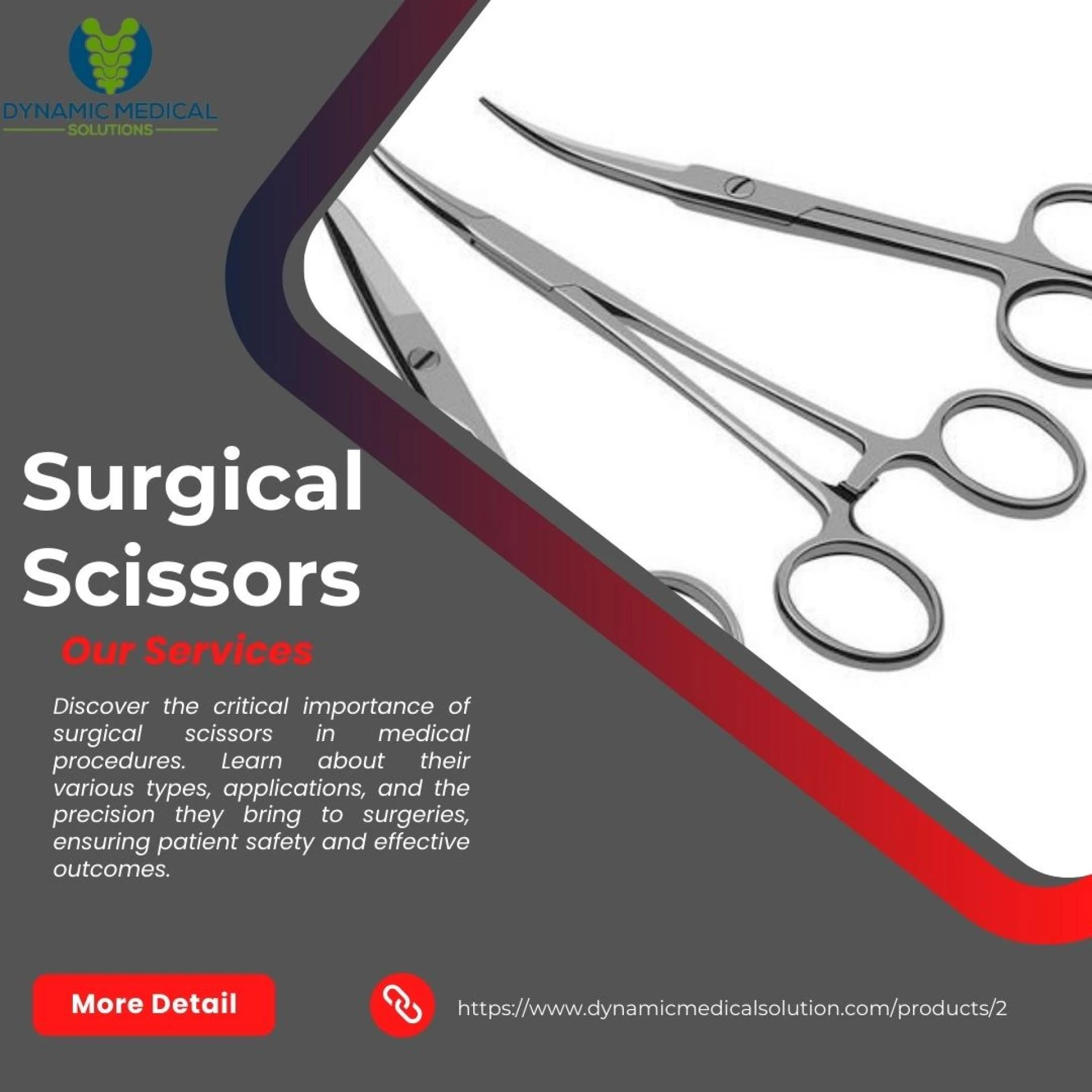

The human body is a complex machine, and repairing it often requires a specialized toolkit. Surgical instruments come in a wide array of shapes and sizes, each meticulously designed to perform a specific task within the operating room. Let\'s delve into the various types of surgical instruments used in modern surgery:
1. Grasping and Holding Instruments:
- Forceps: The workhorses of any surgery, forceps come in a variety of shapes and sizes. Tissue forceps provide a delicate grip for handling tissues, while dressing forceps assist with sutures and wound care. Hemostatic forceps, with their locking mechanism, are crucial for controlling bleeding by clamping blood vessels.
- Clamps: Similar to forceps, clamps offer a stronger grip for grasping and occluding (blocking) blood vessels during surgery. They come in various designs, from straight clamps to curved ones, catering to the specific needs of the procedure.
- Needle Holders: Acting as an extension of the surgeon\'s fingers, needle holders provide a secure grip and precise manipulation of needles during suturing. These instruments come with different jaw configurations to accommodate various needle types and sizes.
2. Cutting Instruments:
- Scalpels: The quintessential surgical tool, scalpels come in various blade shapes (scalpel #10, #11 etc.) for precise cutting of different tissues. They are used to make incisions, dissect tissues, and remove unwanted growths.
- Scissors: Surgical scissors are available in a variety of designs, each suited for a specific task. Mayo scissors, with their robust build, tackle tough tissues like fascia. Metzenbaum scissors, with their finer blades, excel at delicate dissection. Iris scissors, with their sharp, pointed tips, are ideal for ophthalmic surgery.
- Saws: Bone saws, with their oscillating blades, are used to cut through bone during orthopedic procedures. They come in various configurations, such as reciprocating saws and Gigli saws, to handle different types of bone cuts.
3. Visualization and Access Instruments:
- Retractors: These instruments hold tissues apart, providing the surgeon with a clear view of the surgical site. They come in various shapes and sizes, from handheld retractors to self-retracting ones that maintain visibility throughout the procedure.
- Speculums: Designed to widen natural openings in the body, speculums are used in procedures like colonoscopy and gynecological examinations. They allow for better visualization and access to the internal structures.
4. Drainage and Access Instruments:
- Catheters: Thin, flexible tubes inserted into the body, catheters serve various purposes. They can be used to drain fluids (like chest tubes), administer medications, or provide access for minimally invasive procedures.
- Trocars: These hollow tubes are used to create entry points for laparoscopic instruments during minimally invasive surgery. They are designed to seal the opening and prevent gas leakage from the abdomen.
5. Specialized Instruments:
Beyond these basic categories exists a vast array of specialized instruments designed for specific surgical procedures. Neurosurgical instruments are delicate and miniaturized for operating on the intricate structures of the brain. Laparoscopic instruments are long and slender, with cameras attached, for minimally invasive procedures. Robotic surgery utilizes sophisticated instruments controlled by surgeons from a console, offering enhanced dexterity and precision.
Conclusion
The choice of surgical instrument depends on the specific needs of the surgery. The diverse range of instruments available empowers surgeons to perform complex procedures with remarkable precision and minimal invasiveness. As technology continues to evolve, surgical instruments will undoubtedly become even more sophisticated, shaping the future of surgery and improving patient care.
For more details visit us: https://www.dynamicmedicalsolution.com/





























Sign in to leave a comment.