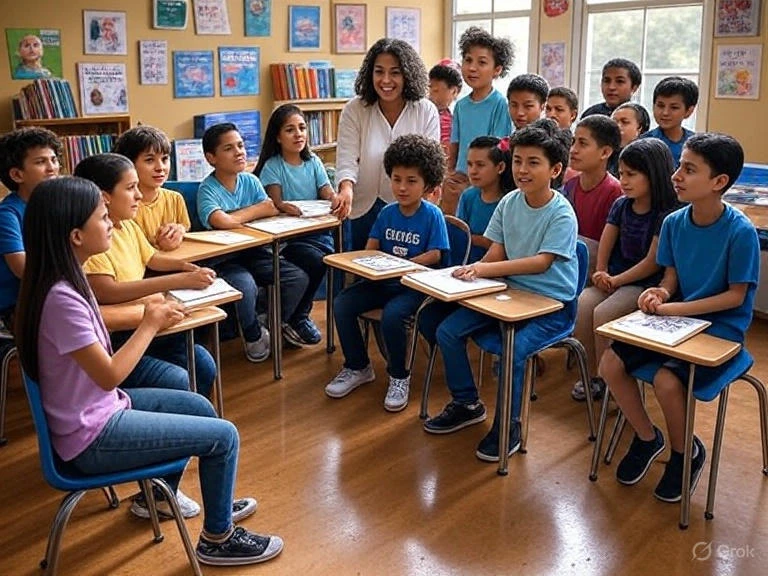

In today's rapidly evolving educational landscape, Social and Emotional Learning (SEL) has emerged as a foundational component of a well-rounded elementary curriculum. As educators, we recognize that nurturing the emotional intelligence, empathy, self-awareness, and interpersonal skills of young learners is just as important as academic instruction. This comprehensive guide is designed to equip teachers with the knowledge, strategies, and lesson plans necessary to implement effective SEL lessons in elementary grades.
What is Social and Emotional Learning (SEL)?
Social and Emotional Learning (SEL) refers to the process through which children acquire and apply the skills needed to manage emotions, set and achieve goals, establish positive relationships, and make responsible decisions. SEL fosters a safe, inclusive, and supportive classroom environment that enhances academic success and mental well-being.
The five core competencies of SEL, as defined by CASEL (Collaborative for Academic, Social, and Emotional Learning), are:
- Self-Awareness
- Self-Management
- Social Awareness
- Relationship Skills
- Responsible Decision-Making
Why SEL is Crucial for Elementary Students
Elementary school is a critical time for emotional development. During this stage, children begin forming their identities, understanding social dynamics, and developing emotional regulation. SEL lessons at this age help students:
- Build emotional vocabulary and recognize their feelings
- Learn coping strategies to manage stress and frustration
- Practice empathy and perspective-taking
- Foster cooperative behavior and teamwork
- Enhance academic engagement and reduce behavioral issues
Integrating SEL into the Elementary Curriculum
Rather than treating SEL as a separate subject, the most effective approach is to integrate SEL across the curriculum and daily routines. Here’s how:
1. Morning Meetings with Purpose
Start the day with structured morning meetings that incorporate check-ins, emotional sharing, and team-building activities. Ask students to rate their mood on a scale, discuss how they’re feeling, and engage in short SEL-focused games or affirmations.
2. Storytelling for Empathy
Use literature to spark conversations about emotions, kindness, resilience, and relationships. Choose age-appropriate books with strong emotional themes, then lead discussions or reflection exercises that connect the story to students' lives.
3. SEL Through Writing Prompts
Incorporate journaling activities that prompt students to explore their emotions and reflect on social situations. Sample prompts include:
- “Describe a time you felt really proud of yourself.”
- “How do you show kindness to others?”
- “What can you do when you feel angry?”
4. Role-Playing and Skits
Encourage students to act out common classroom scenarios—like conflict resolution, sharing, or asking for help—to practice SEL competencies in a safe environment. Reflect on each role-play to reinforce learning.
Effective SEL Lessons for Each Grade Level
Kindergarten to Grade 1: Foundation of Emotions
Focus Areas: Recognizing emotions, following rules, sharing, understanding personal space.
Example Lesson: “Emotion Charades”
- Objective: Help students identify and express basic emotions.
- Activity: Use emotion cards with faces showing happiness, sadness, anger, and surprise. Students act out the emotion while others guess.
- Follow-Up: Discuss what makes them feel each emotion.
Grades 2 to 3: Building Relationships and Coping Skills
Focus Areas: Managing impulses, empathy, making friends, handling disappointment.
Example Lesson: “My Calm Down Toolkit”
- Objective: Equip students with strategies to manage strong feelings.
- Activity: Create personal toolkits with drawings or items that help them calm down (e.g., breathing exercises, counting, drawing).
- Follow-Up: Role-play situations where they can use their toolkits.
Grades 4 to 5: Decision-Making and Responsibility
Focus Areas: Problem-solving, peer pressure, goal setting, ethical thinking.
Example Lesson: “Choices and Consequences”
- Objective: Teach responsible decision-making.
- Activity: Present hypothetical scenarios and have students work in groups to choose the best solution and explain their reasoning.
- Follow-Up: Connect these decisions to real-life classroom or playground situations.
Using SEL to Address Behavioral Challenges
Teachers often encounter students struggling with behavioral or emotional challenges. SEL provides a proactive framework to support them:
- Use emotion check-ins to help students become aware of their mood before issues arise.
- Implement peace corners where students can take a break to regulate emotions.
- Establish peer mentoring systems where older students help younger ones navigate social situations.
- Create a classroom behavior matrix that outlines clear expectations tied to SEL values like respect, responsibility, and kindness.
Family and Community Involvement in SEL
SEL is most impactful when reinforced beyond the classroom. Strengthen home-school connections by:
- Sending weekly SEL updates to families, including key themes and at-home discussion starters.
- Inviting parents to participate in SEL workshops or classroom activities.
- Collaborating with school counselors and community leaders to host mindfulness sessions, kindness campaigns, or emotional wellness fairs.
Assessment and Reflection in SEL
Assessing SEL progress doesn’t require formal tests. Instead, use observational rubrics, student reflections, and peer feedback to gauge growth.
- Use SEL journals to review changes in emotional expression and conflict resolution.
- Conduct circle time reflections where students share how they’ve used SEL skills.
- Track classroom incidents and improvements tied to specific SEL lessons.
Best SEL Programs for Elementary Schools
Many schools benefit from structured SEL curricula. Top research-based programs include:
- Second Step: A popular program offering scripted lessons and engaging visuals.
- Responsive Classroom: Emphasizes morning meetings, positive teacher language, and social problem-solving.
- PATHS (Promoting Alternative Thinking Strategies): Focuses on emotional literacy and self-control.
- MindUP: Uses mindfulness to teach brain science and emotional regulation.
Conclusion: Cultivating a Culture of Emotional Excellence
Investing in SEL in elementary grades builds the foundation for life-long emotional intelligence, academic resilience, and compassionate citizenship. As teachers, we hold the power to transform not just students’ test scores, but their lives. By embedding SEL in every interaction, activity, and lesson, we cultivate a classroom where every child feels seen, heard, and valued.






























Sign in to leave a comment.