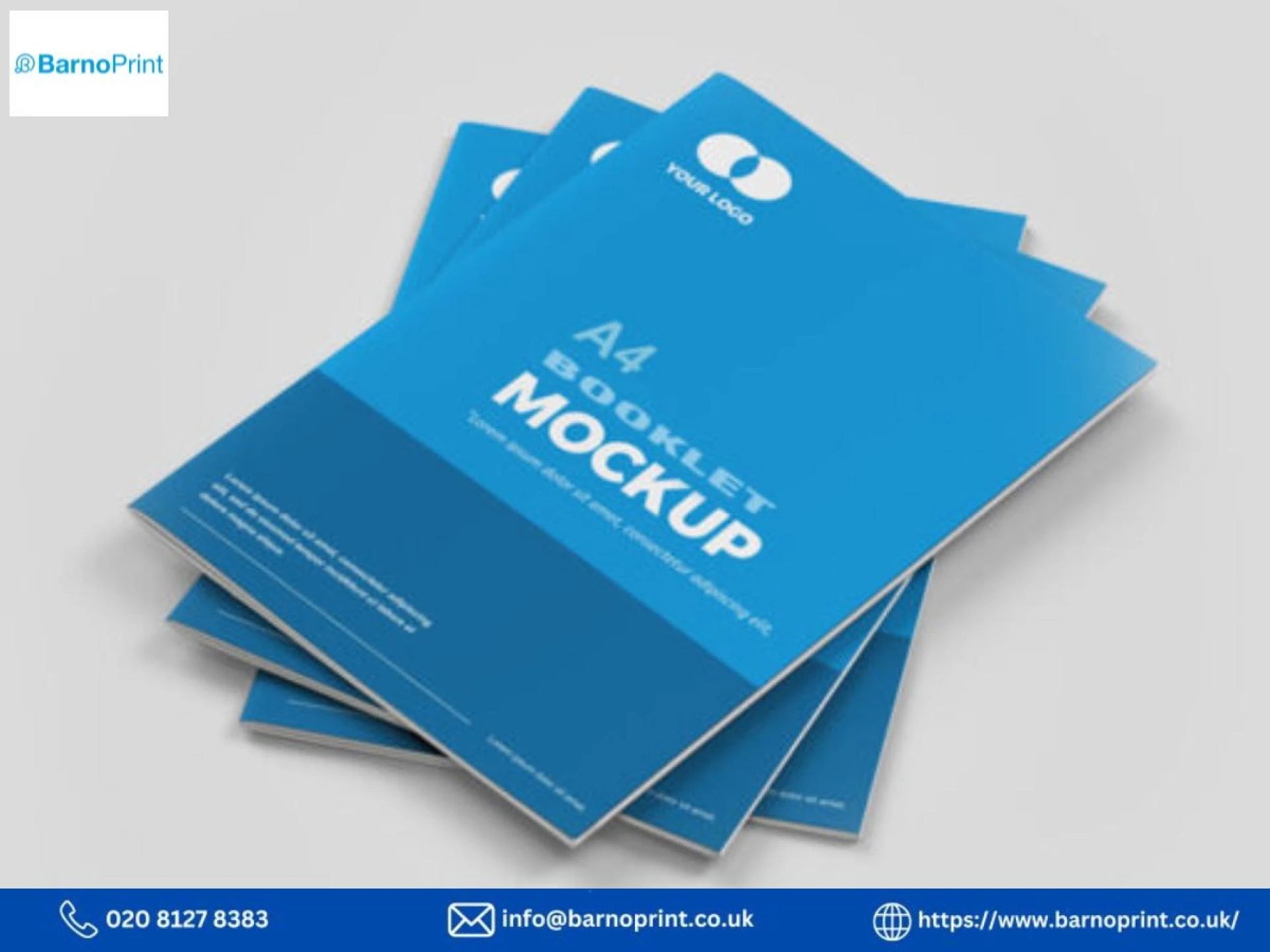
When it comes to creating brochures or booklets, an A4 self cover booklet is a popular and cost-effective choice. Whether you're designing marketing materials, corporate brochures, or event guides, this format delivers a professional finish while remaining budget-friendly. But what exactly does "self-cover" mean, and how does it affect the overall design and printing process?
In this guide, we’ll explore the benefits of A4 self cover booklets, why they are a smart choice for many businesses, and how to design and print stunning brochures that will impress your audience.
What is a Self Cover Booklet?
A self-cover booklet is a type of printed booklet where the cover is made from the same paper stock as the inner pages. This contrasts with other types of booklets, where the cover may be printed on a heavier or more durable paper to give it extra weight and a premium feel.
For example, in an A4 self cover booklet, both the cover and the internal pages are printed on the same weight paper. This makes it a more affordable option, as you’re not investing in higher paper weights for the cover. While this might not be suitable for every project, it is perfect for many types of marketing materials, such as brochures, pamphlets, and event programmes.
Why Choose A4 Self Cover Booklets for Brochure Printing?
A4 self cover booklets offer several advantages when compared to other formats and printing styles. Here are a few reasons why this type of booklet is a great choice for brochure printing:
1. Cost-Effective Printing Solution
By choosing an A4 self cover booklet, you can save money on both the paper stock and the printing process. Since the cover is the same weight as the inner pages, the overall cost of production is reduced, making this format an excellent option for businesses looking for high-quality printed materials at a lower price point.
2. Professional Appearance
Despite their affordability, self-cover booklets still provide a polished and professional look. The A4 booklet format itself gives the booklet an elegant appearance, and with well-designed artwork and high-quality print, your finished product will look sleek and sophisticated.
3. Versatility in Design
Self-cover booklets are versatile in terms of design. You can create a striking booklet cover design that stands out, even without the use of a thicker paper stock. The A4 portrait format offers plenty of space for your content, while the simplicity of the self-cover style allows your design elements to take centre stage.
4. Lightweight and Practical
Another benefit of A4 self cover booklets is their practical, lightweight nature. They are easy to distribute at events, through the post, or as part of your marketing collateral. The lighter weight also makes them more environmentally friendly and easier to store or transport.
5. Ideal for Shorter Content
If you’re producing a booklet with only a few pages or relatively short content, a self-cover booklet is the ideal choice. It’s perfect for small corporate brochures, event programmes, or informational guides where you don’t require a heavy-duty cover.
What Makes A4 Self Cover Booklets Stand Out?
The self-cover style allows for a streamlined design that focuses entirely on the content inside and on the cover design. Whether you're printing for a corporate brochure, product catalogue, or presentation folders, this option provides a clean and contemporary aesthetic that highlights your artwork and brand messaging.
A4 Stapled Booklets
A common finishing option for A4 booklets is stapled booklet printing. This binding method uses staples along the spine to hold the pages together. It's a simple yet effective binding solution that’s perfect for shorter booklets. A stapled booklet offers ease of use and remains a popular choice for printing A4 portrait booklets for brochures, guides, and event materials.
Understanding Paper Stock and Weight
The paper you choose for your self-cover booklet can significantly impact its appearance and feel. Paper weight, or GSM (grams per square metre), refers to the thickness and sturdiness of the paper. For A4 self cover booklets, the weight typically ranges from 80gsm to 170gsm. Here’s how the paper weight can affect your design:
- 80-120gsm – Ideal for A4 stapled booklets or booklet printing with minimal content. It’s a lightweight option that’s cost-effective for printing brochures or leaflets.
- 150-170gsm – Provides a sturdier feel for your booklets, offering a slightly more premium finish without the extra cost of perfect bound books.
How to Design the Cover of Your A4 Self Cover Booklet
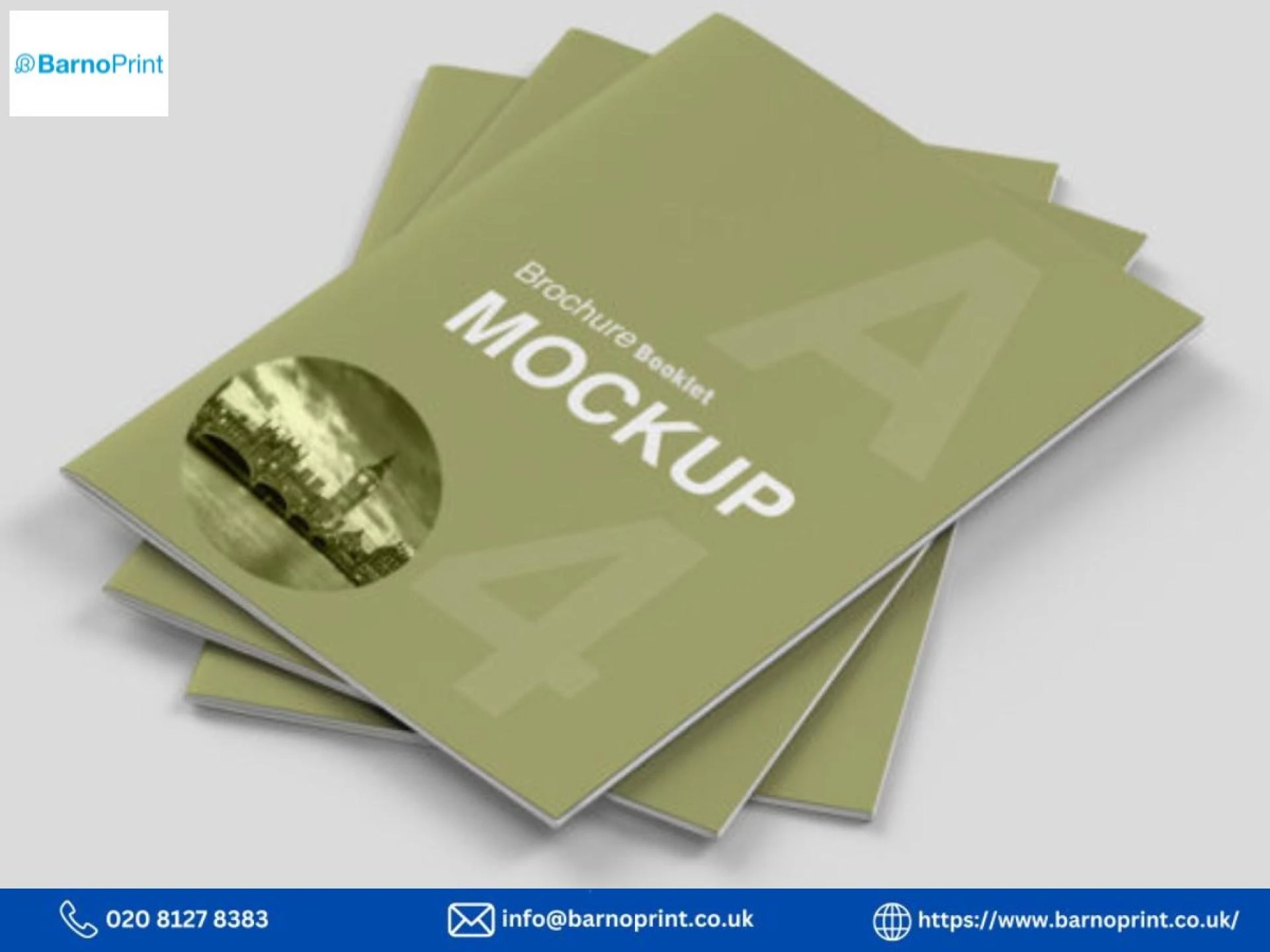
The cover design of your booklet is often the first thing that catches the eye of your readers, so it’s crucial to get it right. Whether you’re creating a corporate brochure or an event guide, here are some essential tips for designing the cover of your A4 self cover booklet:
1. Consider Your Brand Identity
Your book cover design should reflect your brand’s personality. Make sure the fonts, colours, and graphics align with your brand’s image. A consistent brand identity will help build trust with your audience.
2. Use High-Quality Images
If you're incorporating images into your cover design, ensure they are high-resolution to avoid pixelation. Whether you're showcasing your product, services, or event highlights, the imagery should be sharp, clear, and engaging.
3. Keep It Simple
A self-cover booklet often has a more minimalist design compared to other formats. Focus on key visuals and text, ensuring the cover isn’t overcrowded. A clean design makes it easier for your audience to understand the purpose of your booklet at a glance.
4. Typography and Readability
When choosing fonts for the cover, prioritise readability. The text should be large enough to read easily from a distance. Use bold fonts for headings and a clear, smaller font for subheadings and body text.
5. Include Your Logo
Ensure that your company logo is prominently displayed on the front cover. This helps establish brand recognition and reinforces your company’s identity.
Printing Your A4 Self Cover Booklet: The Process
Once you have your design ready, the next step is to turn your concept into a finished product. Here's a quick look at the process for printing your A4 booklet:
- Submit Your Artwork File: Ensure that your artwork file meets the printer’s guidelines. This includes setting the correct dimensions, ensuring bleed areas are included, and using CMYK colours for print.
- Choose Your Printing Options: Select your preferred paper stock, binding, and finishing options. If you're going for a stapled booklet, choose the number of pages, paper weight, and quantity.
- Proof Your Design: Always request a proof before proceeding with the full print run to ensure everything looks correct and there are no errors in your design.
- Production and Delivery: Once approved, your booklet will be printed and delivered. Many printing services offer fast turnaround times, so you can get your booklets quickly and efficiently.
Related Products for Your Booklet Printing Needs
While A4 self cover booklets are fantastic for brochures, you may also need additional printing materials to complement your marketing efforts. Consider incorporating these related products into your print strategy:
- A5 Booklets: A smaller format for more concise materials.
- Corporate Brochures: Larger, more elaborate brochures for in-depth marketing materials.
- Flyers and Leaflets: Great for short, impactful messages.
- Posters: Perfect for promoting events or products in a larger format.
- Presentation Folders: Useful for organising your brochures and documents in a professional way.
Frequently Asked Questions (FAQs)
Q: What is a self-cover booklet?
A: A self-cover booklet is a printed booklet where both the cover and inner pages are made from the same weight paper, making it a cost-effective option for printing brochures and marketing materials.
Q: What is the difference between stapled and perfect bound booklets?
A: Stapled booklets are bound with staples along the spine, suitable for smaller booklets, while perfect bound booklets have a glued spine for a more professional finish, ideal for thicker publications.
Q: What paper weight is best for A4 self cover booklets?
A: For A4 self cover booklets, paper weights between 80gsm and 170gsm are commonly used, depending on the desired sturdiness and the booklet’s purpose.
Q: How do I design the cover of my A4 self cover booklet?
A: Focus on clear, readable fonts, high-quality images, and a simple design that reflects your brand identity, ensuring it’s visually appealing and easy to understand.
Final Thoughts
A4 self cover booklets are an affordable, versatile, and professional option for a variety of printing needs, from corporate brochures to event guides and more. By choosing the right design, paper stock, and binding options, you can create stunning brochures that will captivate your audience without breaking the bank.
Whether you're printing for business marketing, product promotion, or event communication, an A4 self cover booklet offers a balanced mix of affordability and quality that’s hard to beat.




















Sign in to leave a comment.