

Cedar City sits in the high desert of southern Utah, and families there face the same access challenges that come with distance from major metro centers: fewer providers, longer waitlists, and less familiarity among local pediatricians with how to initiate a referral efficiently. None of that changes the urgency of early intervention for a child newly diagnosed with autism. The research on developmental plasticity is clear, and the years between two and five are when targeted, structured therapy tends to produce the most lasting gains.
Utah Medicaid covers ABA therapy for children with an autism spectrum disorder diagnosis under the EPSDT provisions, which require coverage of medically necessary services for children under twenty-one regardless of whether ABA is specifically listed in the state plan. Private insurance in Utah is subject to autism insurance parity requirements for most state-regulated plans, meaning ABA must be covered if the plan covers other behavioral health services. Self-funded employer plans are not bound by state requirements, but many include ABA coverage voluntarily. Getting the specifics from your insurer early, before selecting a provider, prevents delays during the authorization process.
For young children, center-based ABA tends to be the most appropriate starting point. A structured clinic environment provides consistent cues, trained staff on-site throughout the day, and direct BCBA supervision that's difficult to replicate in a home setting. Toddlers and preschoolers with autism often have difficulty generalizing skills across settings early in treatment, so learning in a well-designed, predictable environment first builds the foundation for applying those skills at home and in community contexts later. The Possibilities ABA team serving Cedar City works with families in Iron County and surrounding areas to make that kind of structured programming accessible.
What Families in Cedar City Should Know Before Starting
The intake process for ABA typically begins with a diagnostic evaluation if one hasn't already been completed. In Cedar City, families may need to travel to St. George or Salt Lake City to access a developmental pediatrician or psychologist for this evaluation, as local availability is limited. Once the diagnosis is in hand, the ABA provider conducts a separate skills assessment, which is used to build the individualized treatment plan. This assessment is not the same as the diagnostic evaluation and is conducted by the BCBA who will oversee the child's therapy.
Recommended therapy hours for young children in early intervention programs often range from fifteen to thirty-five hours per week, depending on the child's current skill profile and treatment goals. More hours are not always better for every child, but higher intensity is associated with stronger outcomes in the research when the programming quality is high. Families should ask prospective providers how they determine recommended hours and what the process is for adjusting the schedule as the child progresses.
Caregiver involvement is a non-negotiable component of quality ABA for young children. Parents and caregivers participate in training sessions designed to teach the same strategies the behavior technicians are using during therapy. This is not about putting the burden of therapy on families. It's about maximizing the number of learning opportunities a child has across all the environments they inhabit. A child who practices a skill twenty times during a therapy session and then has dozens of additional practice opportunities at home throughout the week makes faster, more durable progress than one whose learning is confined to clinic hours alone.
Planning for the Transition to School
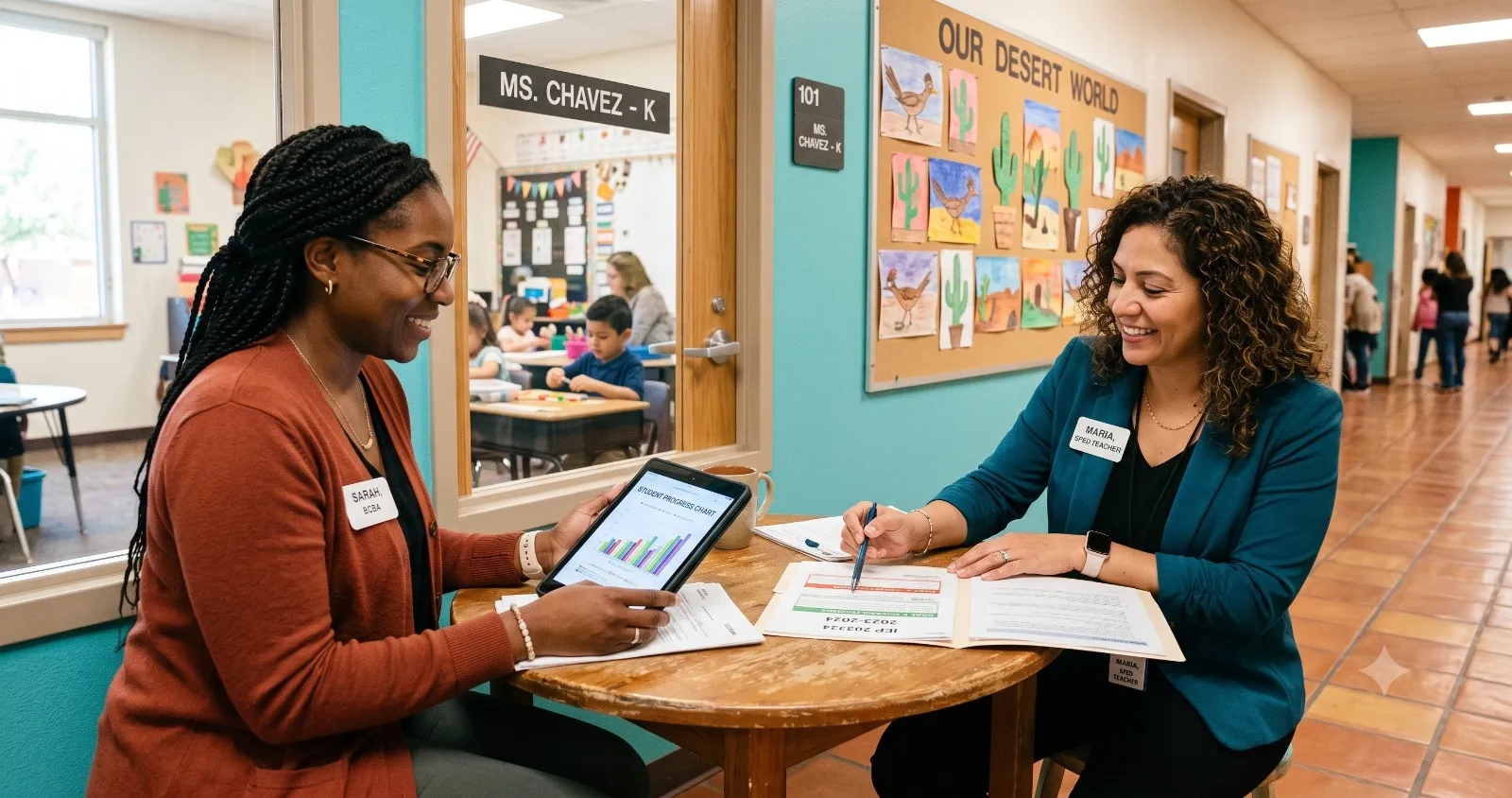
Children in Utah age out of Part C Early Intervention services at age three and transition to Part B, which is administered through the local school district. Beaver County and Iron County school districts are responsible for evaluating children and, if eligible, developing an IEP. That school-based plan may include speech, OT, and special education supports, but ABA therapy through a private provider can continue alongside district services. Coordinating between the two systems takes intentional effort from families, but the combination of school-based services and private ABA often provides broader coverage of a child's needs than either alone.


























Sign in to leave a comment.