

When families in Augusta begin exploring ABA therapy for their school-age child, one of the most important questions they ask is: what can I actually expect? The answer depends on the quality of the program, the child's profile, the intensity of services, and the degree of family involvement — but the research on ABA outcomes for school-age children is genuinely encouraging, and it is worth understanding what it actually shows.
What the Research Says
Applied behavior analysis has one of the strongest evidence bases of any intervention for autism spectrum disorder. For school-age children specifically, research shows meaningful gains in adaptive behavior, communication, academic skills, and social functioning when therapy is delivered with appropriate intensity and by qualified professionals. Reduction in challenging behaviors that interfere with learning and social participation is also a well-documented outcome.
Gains are not automatic or universal — they depend heavily on the quality of the program. Studies consistently distinguish between outcomes achieved through high-quality, individualized ABA delivered by credentialed professionals and outcomes (or lack thereof) from lower-quality programs. The research supports the practice when it is done well.
Communication and Language Outcomes
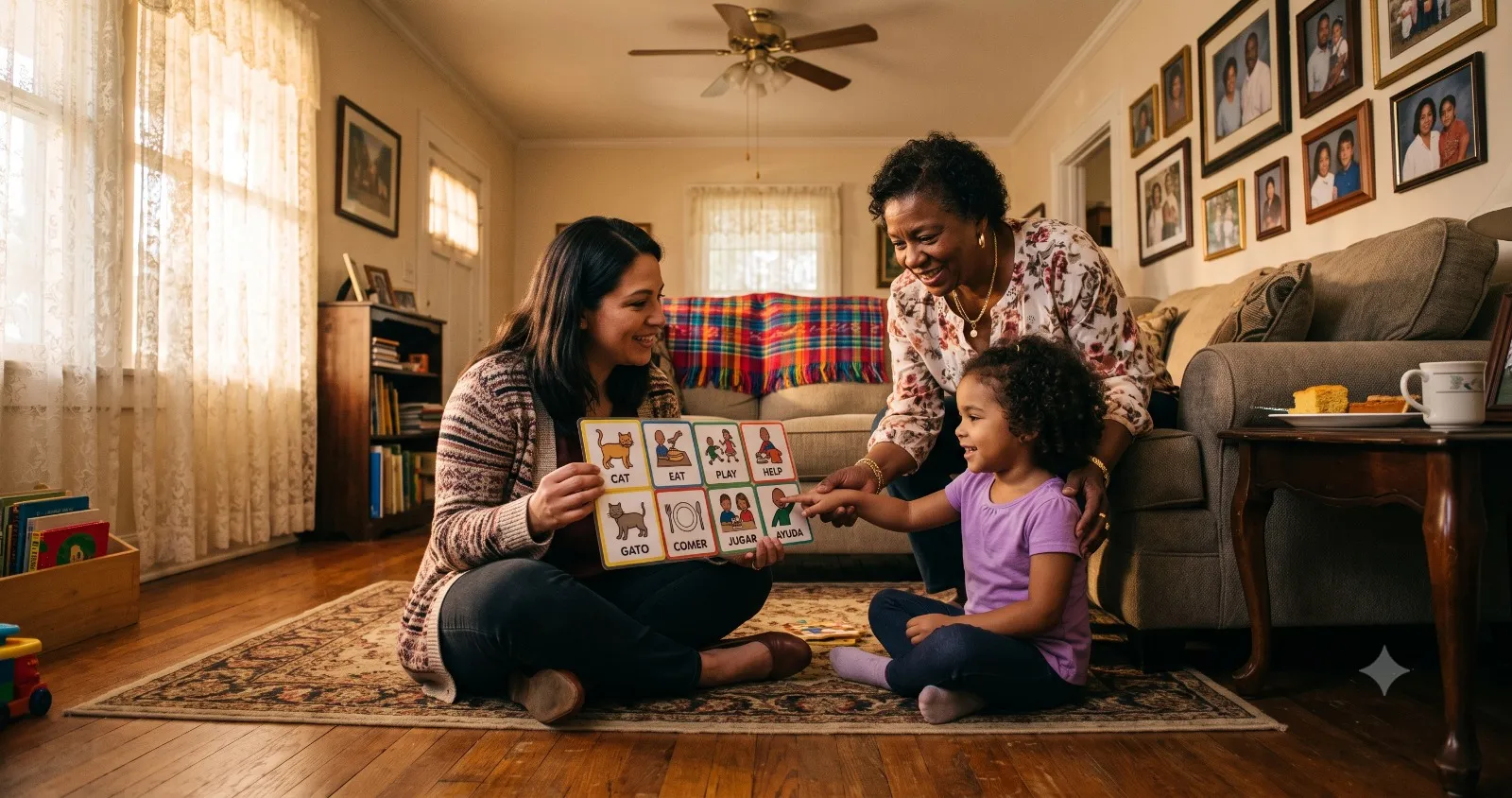
For many school-age children with autism, communication remains a primary focus even after the early intervention years. ABA programming for this age group often targets functional communication — requesting help, expressing needs, initiating and sustaining conversations, and responding to multi-step instructions. Augmentative and alternative communication devices are commonly incorporated into ABA programs for children who are non-speaking or minimally verbal, with the BCBA supporting both the technology use and the communicative functions it enables.
Adaptive Behavior and Independence
School-age children in ABA programs in Augusta frequently work on adaptive skills — the practical abilities that support independence in daily life. Self-care tasks, home routines, community safety, and self-regulation in the face of frustration or transitions are common targets. Progress in these areas has a direct impact on the child's quality of life and on the sustainability of family life for the parents and siblings involved.
Social Skills and Peer Relationships
The school years place intense social demands on children, and for children with autism, these demands are often the most challenging dimension of the school experience. ABA programming for school-age children often targets social communication directly — turn-taking in conversation, reading social cues, managing peer conflict, and building and maintaining friendships. Some providers incorporate group-based social skills formats alongside individual therapy to give children opportunities to practice in more naturalistic peer contexts.
For Augusta families interested in what outcomes look like for school-age children receiving ABA in a local program, read more here to explore how Skyward Spectrum approaches programming for this age group and what families can realistically expect from a well-structured ABA program in Augusta.
Setting Realistic Expectations
ABA is not a cure for autism, and quality providers will never describe it as one. What it does do — when delivered well and consistently — is build skills, reduce barriers to participation, and increase the child's capacity to engage with their world more fully. For school-age children in Augusta whose families commit to a high-quality program, the trajectory is typically one of meaningful, measurable progress over time.
























Sign in to leave a comment.