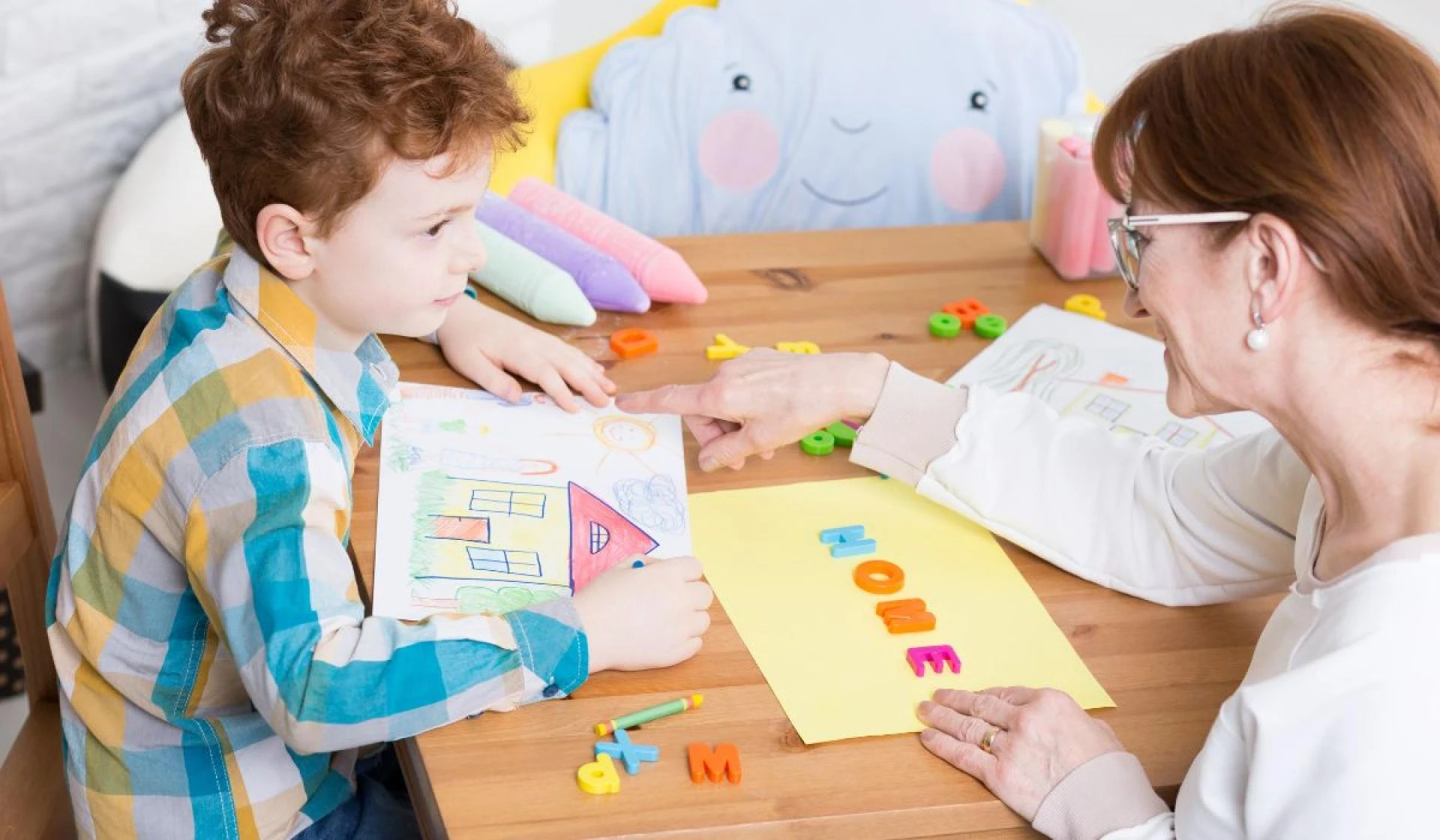

Applied Behavior Analysis (ABA therapy) is one of the most trusted, evidence-based approaches for supporting children and individuals with developmental and behavioral challenges—especially those on the autism spectrum. Over the years, ABA therapy has evolved into a highly personalized and outcome-driven method that helps individuals build meaningful skills, improve behavior, and increase independence in daily life.
This article explores how ABA therapy transforms learning, behavior, and independence by using proven techniques, real-time data, and individualized support.
What Is ABA Therapy?
ABA therapy is a scientific approach to understanding behavior—why it happens, how it changes, and how new skills can be taught. Through structured methods, positive reinforcement, and individualized goals, ABA therapy helps people learn socially significant behaviors that improve their daily lives.
Unlike one-size-fits-all programs, ABA therapy is tailored to each individual. A Board Certified Behavior Analyst (BCBA) assesses strengths, challenges, skill delays, and behavior patterns to create a customized treatment plan.
Key areas ABA therapy focuses on include:
- Communication
- Social skills
- Attention and focus
- Daily living and self-help skills
- Motor and play skills
- Emotional and behavioral regulation
- Flexibility and problem-solving
- Academic readiness
How ABA Therapy Transforms Learning
Learning is one of the biggest areas impacted by ABA therapy. Many children and adults struggle with understanding instructions, processing information, or mastering skills. ABA therapy simplifies learning into small, manageable steps that build confidence and long-term success.
1. Breaking Skills Into Achievable Steps
Complex skills—like brushing teeth, making friends, or completing homework—are broken into smaller tasks. Each step is taught one at a time until the individual can perform it independently.
2. Using Positive Reinforcement
Reinforcement is the foundation of ABA therapy. By rewarding desired behaviors, the individual becomes more motivated and consistent in their learning.
Reinforcers may include:
- Praise
- Preferred toys
- Breaks
- Stickers or tokens
- Activities the child enjoys
This approach creates a positive learning environment where progress is celebrated.
3. Learning Through Repetition and Consistency
Repetition strengthens memory and skill mastery. ABA therapy ensures that each skill is practiced in different environments—at home, school, or clinic—so the learner can apply the skill anywhere.
4. Building Communication Skills
Communication is essential for learning. ABA therapy helps individuals build:
- Expressive language
- Receptive language
- Nonverbal communication
- Functional communication (asking for needs)
This creates a strong foundation for academic and social success.
How ABA Therapy Improves Behavior
Challenging behaviors can make it difficult for individuals to learn, socialize, or function independently. ABA therapy focuses on understanding why a behavior happens and teaching healthier alternatives.
1. Identifying the Root Cause of Behavior
Every behavior has a purpose—it may help the individual express a need, avoid discomfort, or seek attention. ABA therapy uses assessments to identify what triggers a behavior and what reinforces it.
2. Teaching Replacement Behaviors
Instead of simply stopping a behavior, ABA therapy teaches a positive alternative.
Examples:
- Replacing tantrums with communication
- Replacing hitting with asking for help
- Replacing avoidance with coping strategies
This approach ensures long-term behavior change.
3. Creating Predictable Routines
Rigid or unclear routines can cause stress. ABA therapy introduces visual schedules, step-by-step guides, and predictable routines that reduce frustration and increase cooperation.
4. Managing Emotional Regulation
Therapists help individuals understand emotions, manage frustration, and practice calming strategies such as:
- Deep breathing
- Sensory tools
- Movement breaks
- Asking for support
As emotional regulation improves, challenging behaviors naturally decrease.
How ABA Therapy Builds Independence
One of the greatest strengths of ABA therapy is its ability to prepare individuals for real-life independence. From basic self-help skills to complex social behavior, ABA promotes long-term growth.
1. Daily Living Skills
ABA therapy teaches essential life skills such as:
- Dressing
- Eating independently
- Hygiene routines
- Toileting
- Cleaning up
These skills increase self-reliance and reduce caregiver stress.
2. Social and Community Skills
Independence also includes being able to interact safely and confidently in the community.
ABA helps develop:
- Sharing and turn-taking
- Making friends
- Understanding social rules
- Safety skills (crossing the road, staying with a caregiver)
- Shopping or ordering food
3. Academic & School Readiness
ABA therapy prepares children for structured environments by teaching them:
- Classroom behavior
- Following instructions
- Staying seated
- Participating in group activities
- Completing assignments
This support helps children transition smoothly into school settings.
4. Building Problem-Solving and Flexibility
Life requires flexibility—plans change, routines shift, and unexpected situations happen. ABA therapy builds adaptability through:
- Tolerating changes in routine
- Accepting “no” or delayed gratification
- Trying new activities
- Learning coping strategies
As individuals become more flexible, they gain more confidence and independence.
The Long-Term Benefits of ABA Therapy
ABA therapy does more than improve behavior—it shapes life skills that support lifelong success.
Key benefits include:
- Improved communication
- Stronger social interaction
- Greater emotional control
- Reduced challenging behaviors
- Increased independence
- Better academic performance
- Stronger relationships with family and peers
Most importantly, ABA therapy empowers individuals to reach their full potential—at home, school, and in their community.
Final Thoughts
ABA therapy is more than a treatment; it’s a transformational approach that helps individuals learn, behave, and live independently. By focusing on personalized goals, consistent reinforcement, and meaningful skill development, ABA therapy builds confidence, improves quality of life, and opens doors to a brighter future.
Whether you're a parent, caregiver, or educator, ABA therapy provides the tools and guidance needed to support long-term progress and meaningful growth.












Sign in to leave a comment.