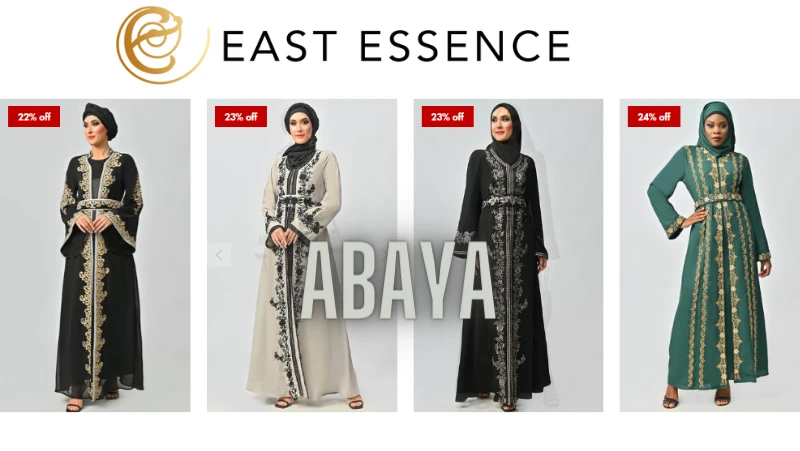

For many Muslim women around the world, the abaya is a staple garment in their wardrobe. It is a loose-fitting, full-length robe that covers the entire body except for the face, hands, and feet. The abaya is a symbol of modesty and piety, and it has been worn by Muslim women for centuries. In recent years, however, the abaya has gained global popularity, not only among Muslim women but also among women of different cultural backgrounds. In this article, we will discuss the abaya for women, its history, styles, and cultural significance.
History of the Abaya
The abaya has its roots in the Arab world, where it has been worn for centuries. The garment was originally designed to protect women from the harsh desert climate and to preserve their modesty. Over time, the abaya has evolved into a fashion statement, with designers incorporating different styles and materials into the traditional garment.
Styles of Abaya
Today, there are many different styles of abayas available for women, each with its own unique design and aesthetic. Some of the most popular styles include:
Traditional Abaya - This is the classic design of the abaya, typically made of black or dark-colored fabric with simple embroidery or embellishments.
Open Abaya - This style of abaya is open at the front, allowing the outfit underneath to be visible. It is often worn with a dress or pants and a top.
Kaftan Abaya - This style of abaya is inspired by the kaftan, a traditional Moroccan garment. It is loose-fitting and often features intricate embroidery or embellishments.
Kimono Abaya - This style of abaya is inspired by the Japanese kimono and features a wide, flowing silhouette with long sleeves.
Cultural Significance of Abaya
For Muslim women, the abaya is a symbol of modesty and piety. It is also a way to express one's cultural identity and heritage. In some countries, such as Saudi Arabia, the abaya is mandatory attire for women in public spaces. However, in other countries, such as the United Arab Emirates and Qatar, the abaya is optional, and women are free to choose whether or not to wear it.
Materials Used in Abayas
Abayas can be made from a wide range of materials, including cotton, silk, chiffon, and crepe. Each material has its own unique qualities and can create a different look and feel for the garment.
Embroidery and Embellishments
Many abayas feature intricate embroidery or embellishments, such as beading or sequins. These details can add a touch of elegance and glamour to the garment.
Abaya as Fashion Statement
In recent years, the abaya has gained popularity as a fashion statement, with designers creating abayas in a variety of styles and colors. Some women choose to wear abayas as a way to express their personal style and fashion sense.
Abaya for Special Occasions
Abayas can be dressed up for special occasions, such as weddings or Eid celebrations. These abayas often feature more elaborate embroidery or embellishments and may be made from luxurious materials such as silk or velvet.
Abaya Accessories
Accessories such as belts, scarves, and jewelry can be paired with abayas to create a complete look. Some women choose to wear hijabs or headscarves with their abayas, while others prefer to accessorize with statement jewelry or a stylish belt.
Conclusion
The abaya is a timeless and modest garment that has been worn by Muslim women for centuries. It has evolved over time to incorporate different styles and materials, making it a versatile garment that can be worn in a variety of settings. Whether worn for cultural or religious reasons, the abaya is a symbol of elegance and grace that has captured the attention of women around the world.
























Sign in to leave a comment.