
Geometric motifs and shapes have appeared in art throughout history. Consider Celtic knots—some of the earliest Celtic items date from the 5th century.
Picasso was a forerunner of the cubist style, in which he distorted familiar shapes and forms. He wanted to make paintings that went against the grain of realism. He painted in this way for about fifteen years, simplifying objects and subjects into geometric components.
Kazimir Malevich was influenced by expressionism, fauvism, and cubism. In his painting, Malevich tried to break away from natural forms.
What characteristics distinguish a "excellent" abstract painting?
If you want to improve your painting talents, you should learn some essential characteristics that make a Colorado Abstract Art appealing to the eye. Of course, art is mainly about fun and experimentation, and binary categories like "excellent" and "poor" art are difficult to define and needless to describe unless the artist is serious about developing.
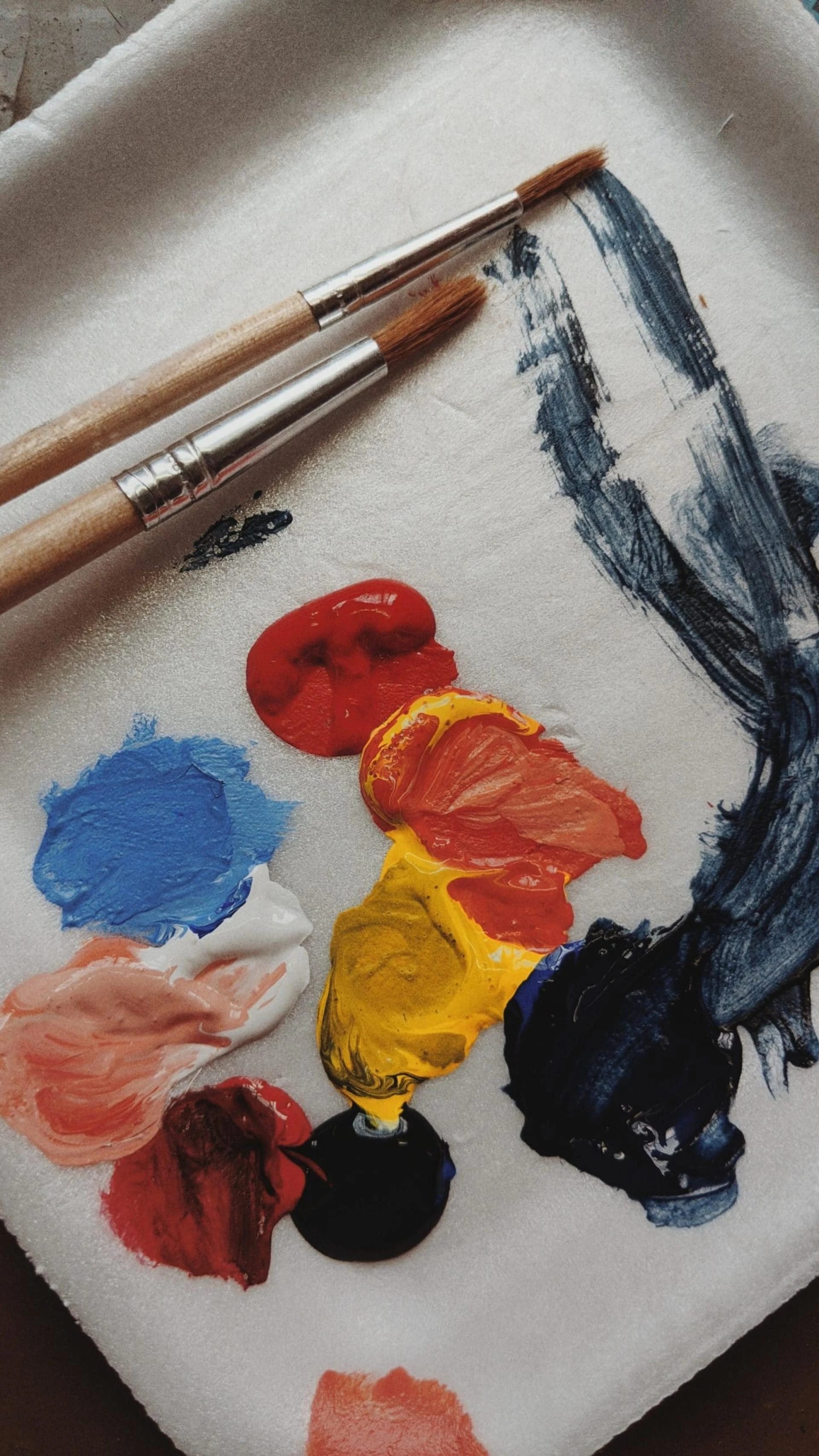
Before you begin painting, learn the fundamentals of color theory and how to mix and blend colors. Your skills will quickly develop as you gain more control over the tones, values, and levels of saturation in the color you create.
If an artist is frustrated because they can't get paint to behave the way they want it to, they may label their work as terrible, preventing them from realizing their artistic vision. So this is what I mean when I say a "poor" abstract painting: one that fails to show the painter's genuine ability fully.
What is your definition of abstract art?
There are no evident subjects or references in abstract painting. It opposes reality and imitation in the arts. It can be attractive to the eye without attempting to imitate anything in real life. Composition, structure, value, shape, color, and edges are all present in abstract paintings, just as in realism paintings. It's only that these elements will be employed and built differently than in more realistic painting methods.
Expertise that can lead to success for abstract painters
There's a reason some abstract artists become well-known in the art world and have collectors of their own. Many are distinguished by their ability to create with intention, contemplation, subtlety, nuance, and talent.
In other words, having a foundational understanding of the properties of oil paint (such as its drying time and how to apply it to the canvas to achieve the desired effects), as well as the fundamental principles of oil painting (such as techniques, brushwork, color theory, and how to design (or compose) an image) can aid an artist's mastery of abstract painting. It takes a lot of planning to create an artwork.
Plan the composition (shape and focal point), the color palette, and the layering of the paint. You can break the laws of composition and color theory as much as you like once you have an eye for what looks nice and the skill to lay down paint as you wish. The application of paint will be intuitive, and the results will, more often than not, be exactly what you want. In the following parts, I'll show you how to enhance these vital elements of color, composition, and technique to improve your abstract oil painting talents.





Sign in to leave a comment.