
Geometric themes and shapes have been used in the art for thousands of years.
Consider Celtic knots: some of the earliest Celtic artifacts date back to the fifth century.
Picasso, who distorted recognizable shapes and forms, was a predecessor of the cubist style.
He desired to create paintings that were antithetical to realism.
He painted in this style for over fifteen years, breaking down objects and subjects into geometric components.
Expressionism, fauvism, and cubism influenced Kazimir Malevich.
Malevich attempted to break away from natural forms in his paintings.
What distinguishes a "great" abstract painting from others?
To improve your painting skills, you should master several key elements that make Colorado Abstract Art visually appealing.
Of course, artwork is mostly about having fun and experimenting, and binary categories such as "great" and "bad" art are impossible to define and express unless the artist is serious about progressing.
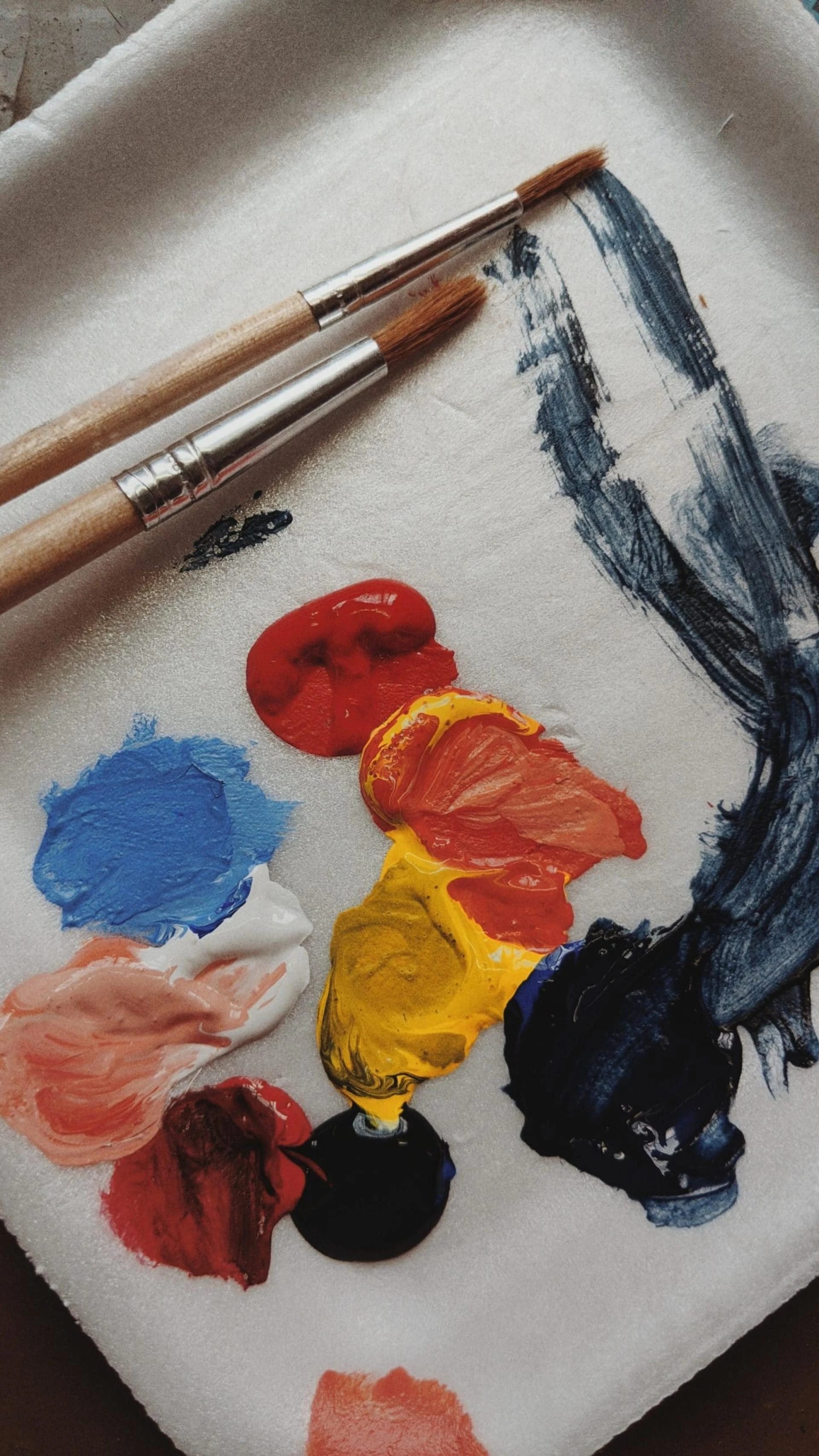
Learn the principles of color theory and how to mix and blend colors before you start painting.
As you gain more control over the tones, values, and saturation levels in the color you make, your skills will soon improve.
If an artist is upset by their inability to get paint to behave the way they want it to, they may dismiss their work as bad, hindering them from attaining their artistic vision.
So this is what I mean by a "bad" abstract painting: one that fails to demonstrate the painter's true abilities properly.
What does abstract art mean to you?
Abstract painting has no obvious subjects or references.
In the arts, it opposes reality and imitation.
It doesn't have to try to replicate anything in real life to be appealing to the eye.
Abstract paintings have the same composition, structure, value, shape, color, and edges as realism paintings.
It's only that these aspects will be used and constructed differently than in more realistic painting techniques.
Expertise that can help abstract painters succeed
There's a reason why some abstract artists become well-known and have their collectors.
The ability to create with intention, contemplation, delicacy, nuance, and talent distinguishes many.
In other words, an artist's mastery of abstract painting can be aided by a foundational understanding of the properties of oil paint (such as its drying time and how to apply it to the canvas to achieve the desired effects), as well as the fundamental principles of oil painting (such as techniques, brushwork, color theory, and how to design (or compose) an image).
Creating artwork needs a great deal of forethought.
Plan the composition (form and focal point) and the color palette and paint layering.
Once you have an eye for what looks good and the ability to lay down paint how you like, you can break the laws of composition and color theory as much as you want.
Paint will be applied intuitively, and the results will, more often than not, be exactly what you desire.




Sign in to leave a comment.