

A hospital corridor is not the same as an office lobby, which is exactly why a purpose-built Access Control System matters so much in healthcare. Between neonatal units, pharmacies, operating theaters, and patient records, a Bahraini or wider GCC hospital manages dozens of distinct risk zones simultaneously, each demanding a different level of verification, auditability, and speed. 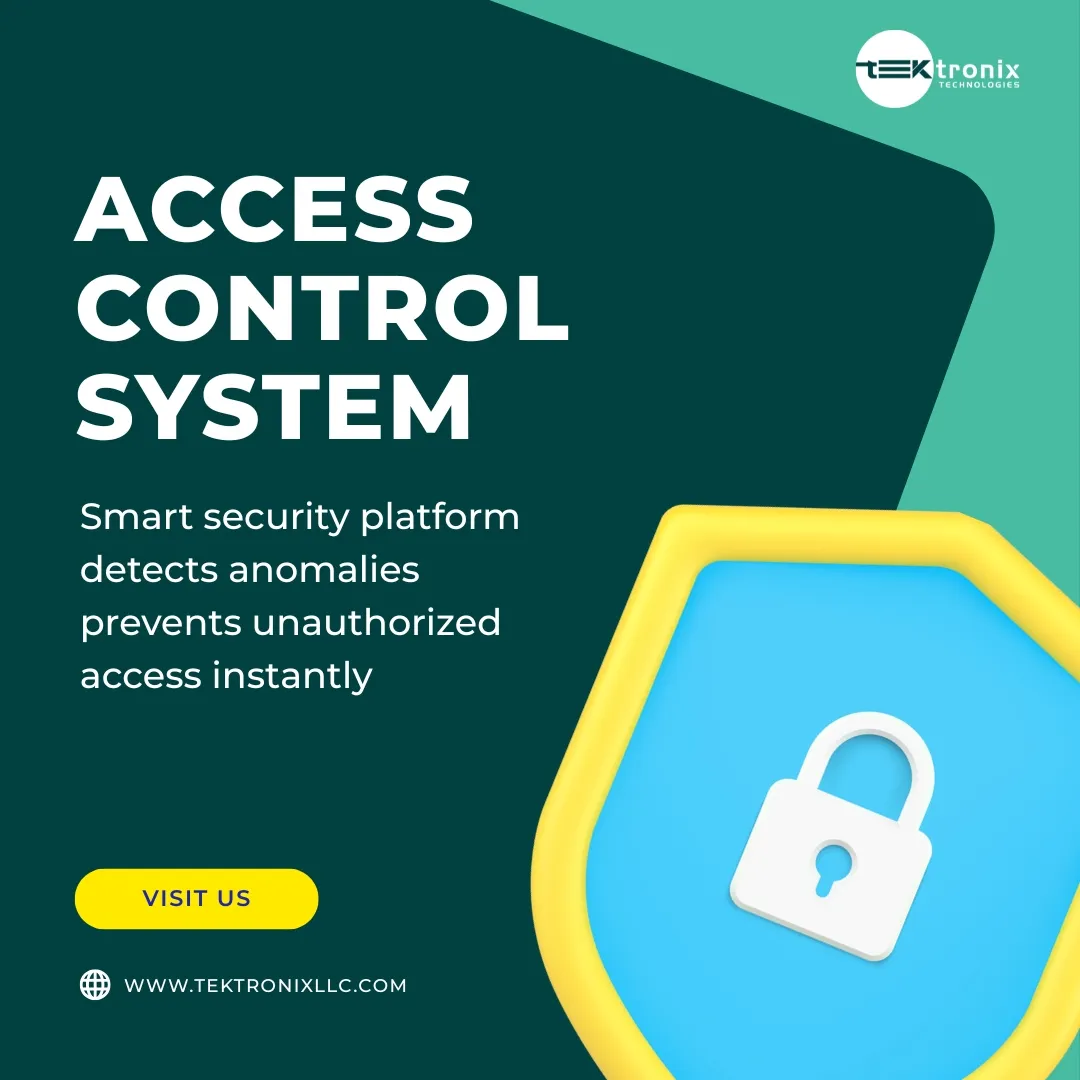
This guide examines why healthcare facilities need a fundamentally different approach to entry security than a typical commercial building, what capabilities matter most in a clinical environment, and how facility leaders across Bahrain and the GCC can deploy a solution that protects patients, staff, and sensitive data without slowing down critical care.
Why Healthcare Facilities Need a Different Approach to Entry Security
Unlike a corporate office where most doors share similar risk profiles, a hospital or clinic contains dramatically different zones under one roof. A public waiting area, a general ward, a pharmacy dispensing controlled substances, and a neonatal intensive care unit all require distinct permission structures, and a breach in any one of them carries consequences far more serious than a typical office security lapse — patient safety, medication security, and regulatory compliance are all directly at stake.
Bahrain's National Health Regulatory Authority and equivalent bodies across the GCC increasingly expect healthcare facilities to demonstrate controlled, auditable access to sensitive areas as part of accreditation and licensing reviews, making entry security a compliance requirement as much as an operational one.
What a Modern Access Control System Delivers in a Clinical Setting
A genuinely capable Access Control System for healthcare goes well beyond a keypad at the main entrance. It orchestrates every internal door — ward entrances, pharmacy vaults, staff-only corridors, and equipment stores — from a single platform, letting administrators grant or revoke access instantly as staff rotate between departments or shifts change. Instant alerts for a forced-entry or door-held-open event give security teams the ability to respond before a situation escalates, rather than discovering an incident during a routine review hours later.
This centralized approach also supports rapid onboarding and offboarding, which matters enormously in healthcare environments with high staff turnover, rotating specialists, and frequent locum or agency coverage that a manual key-based system simply cannot keep pace with securely.
Biometric Access Control System: Verifying Identity in High-Stakes Zones
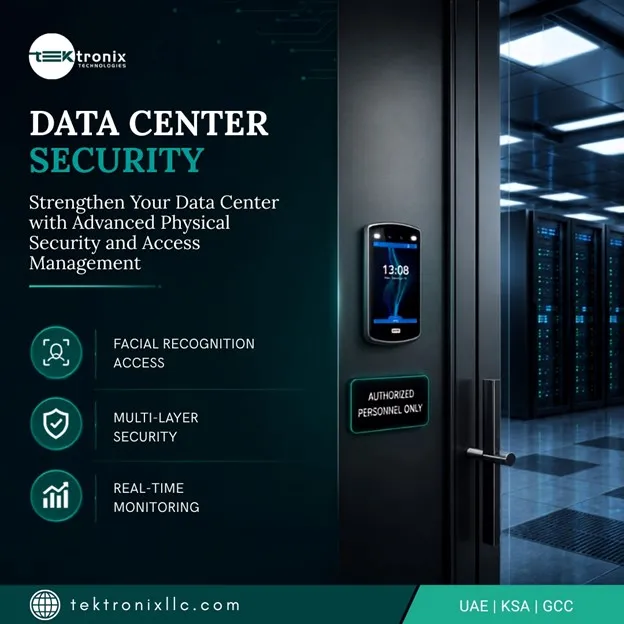
Cards and PIN codes can be lost, shared, or duplicated — a risk that carries far greater weight around a medication vault than a supply closet. A Biometric Access Control System closes that gap by verifying the physical person — through fingerprint or facial recognition — rather than a token that could be in anyone's hands. For pharmacies, controlled-substance storage, and neonatal units, biometric verification provides a level of certainty that card-based systems alone cannot match.
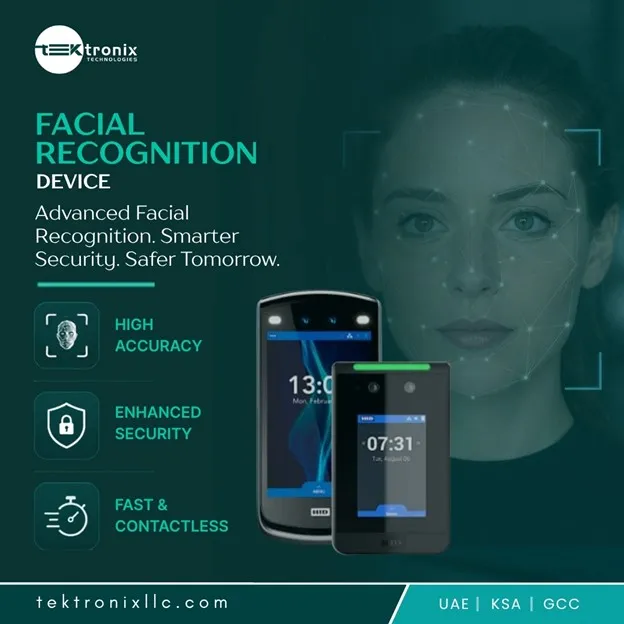
Contactless facial-recognition readers have gained particular traction in Gulf healthcare facilities, since they combine strict infection-control hygiene requirements with fast, frictionless verification — a clinician moving quickly between patient rooms simply walks up to the reader without touching a shared surface.
Security Access Control System: Coordinating Protection Across the Facility
A hospital rarely operates as a single building — most Bahraini and GCC healthcare campuses include outpatient clinics, diagnostic centers, administrative wings, and sometimes attached residential facilities for staff. A coordinated Security Access Control System applies consistent policy across every one of these buildings while still allowing local administrators to manage day-to-day exceptions, such as a visiting specialist or an after-hours emergency delivery, without compromising the facility's overall security posture.
Door Access Control: Securing Every Clinical Zone Individually
Because risk varies so dramatically from one door to the next in a healthcare setting, granular Door Access Control is essential. A nurse's credential might open every ward on their floor but not the pharmacy vault, while a pharmacist's credential might work only during scheduled dispensing hours. This door-by-door precision is what separates targeted, risk-based healthcare security from a blanket policy that treats a supply closet the same as a controlled-substance store.
- Pharmacy and controlled-substance storage restricted to licensed pharmacy staff only.
- Neonatal and intensive care units limited to assigned clinical teams with logged entry.
- Operating theaters configured with strict scheduling tied to surgical booking systems.
- Medical records and administrative offices limited to designated administrative staff.
- Emergency exits configured to unlock automatically during a fire alarm trigger.
Mobile Access Control: Flexibility for Rotating Clinical Staff
Healthcare staffing is rarely static — specialists rotate between departments, locum doctors cover short-term gaps, and agency nurses join for single shifts. Mobile Access Control lets administrators issue and revoke digital credentials directly to a smartphone, dramatically shortening the time between a new hire's first day and full building access, and eliminating the delay and cost of physically reissuing a card for every temporary staff member who joins the facility.
Choosing the Right Access Control Device for a Healthcare Environment
Hardware selection carries unique requirements in a clinical setting. An Access Control Device installed in a hospital corridor must withstand frequent disinfection with hospital-grade cleaning chemicals, operate reliably in environments with strict infection-control protocols, and remain simple enough for clinical staff to use quickly during time-sensitive situations. Readers with antimicrobial housings and touchless verification options are increasingly preferred over traditional keypads that require physical contact from multiple users throughout a shift.
Battery backup and offline caching are equally critical in healthcare, where a network interruption cannot be allowed to compromise access to a critical care unit. Devices should continue enforcing locally stored permissions and simply sync the access log once connectivity returns, rather than defaulting to a state that either compromises security or blocks legitimate clinical access during an emergency.
Comprehensive Access Control Solutions for Multi-Site Healthcare Groups
Healthcare groups operating multiple facilities across Bahrain or the wider Gulf need coordinated Access Control Solutions that apply consistent security policy across every site while still allowing local administrators to manage day-to-day exceptions. Centralized reporting also simplifies compliance reporting for regulators, giving group management a single view of incident trends and credential usage across the entire portfolio of clinics and hospitals.
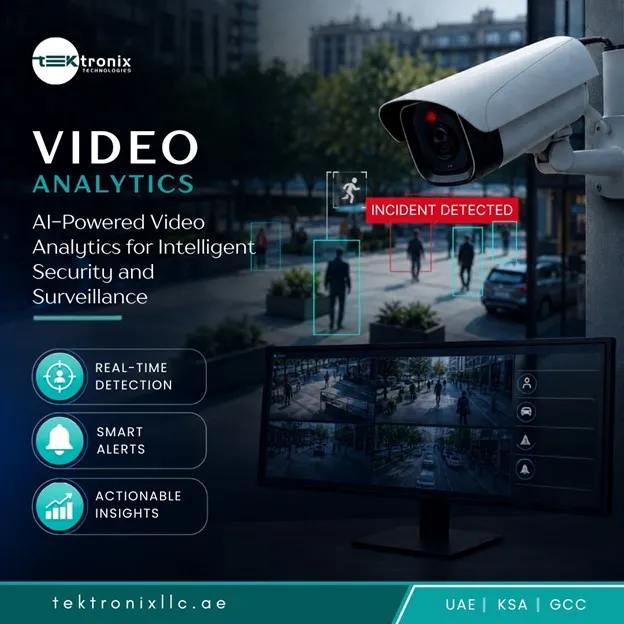
Integration is the differentiator here. The strongest solutions connect access control with visitor management, CCTV analytics, and fire alarm systems, so that a single forced-door event near a pharmacy can automatically pull the nearest camera feed, notify the on-site security team, and log the incident for later review — all without a staff member manually cross-referencing three separate systems during an already busy shift.
Access Control System Bahrain: Local Compliance and Deployment Factors
Rolling out an Access Control System Bahrain -wide requires attention to more than the hardware specification sheet. Healthcare facilities must account for Civil Defence fire-exit regulations that mandate doors unlock automatically during an emergency, National Health Regulatory Authority expectations around controlled-substance storage access, and data protection requirements tied to how patient-adjacent biometric and access data is stored and secured. Vendors experienced in Bahrain's healthcare sector understand these nuances well before installation day, meaningfully reducing rework and inspection delays.
Access Control System GCC: Regional Considerations for Healthcare Groups
Healthcare groups expanding across the broader Gulf need an Access Control System GCC strategy that accounts for variation between Bahrain, Saudi Arabia, the UAE, Qatar, Oman, and Kuwait — from differing health authority accreditation requirements to climate conditions that affect outdoor reader durability. A regional integrator familiar with cross-border healthcare deployment can standardize the technology stack while adapting installation details, compliance documentation, and support response times to each country's specific regulatory environment.
How Tektronix Delivers Access Control for Healthcare Facilities Across the Region
Tektronix has spent years designing and deploying physical security infrastructure for healthcare, education, and enterprise clients across Bahrain and the Gulf. Our engineering team pairs hands-on installation experience with a deep understanding of regional healthcare compliance requirements, giving facility administrators a partner who can specify the right hardware for the right clinical zone rather than a generic, one-size-fits-all package.
Healthcare facility leaders comparing vendors can review our full Access Control System services for Bahrain and the GCC to see supported hardware, integration options, and deployment case studies from clients across the region.
Our deployments integrate with existing CCTV, visitor management, and fire alarm infrastructure, so healthcare campuses gain a unified security layer without discarding equipment that already works well. Every project includes local onboarding, staff training, and ongoing technical support — the kind of accountable, on-the-ground service that distinguishes a trusted regional integrator from an offshore hardware reseller.
For technical specifications on how our biometric and mobile-credential door security platform handles multi-site permission management and emergency unlock protocols, explore the dedicated solution page linked above.
Feedback from healthcare facilities managers who have deployed our systems consistently highlights three benefits: fewer lost-key incidents since credentials can be revoked instantly rather than requiring a full lock change, faster regulatory inspection cycles thanks to exportable digital access logs, and noticeably smoother onboarding for rotating clinical staff once credentialing is centralized in one dashboard.
Why Vendor Experience and Trust Matter for Healthcare Security Projects
Access control in a healthcare setting touches patient safety directly, so vendor selection deserves the same scrutiny as clinical equipment procurement. Facility administrators should ask prospective integrators how long they have worked specifically with healthcare clients in Bahrain and the GCC, request references from existing hospital or clinic deployments, and confirm how firmware updates, warranty claims, and after-hours emergency support are handled once installation is complete.
A provider that documents its healthcare project history, holds relevant industry certifications, and maintains a locally based support team is far more likely to deliver a system that continues performing reliably during round-the-clock hospital operations, rather than one that works flawlessly only during the sales demonstration.
Best Practices for Rolling Out Access Control in a Healthcare Facility
- Audit every existing door before hardware selection, prioritizing high-risk zones like pharmacies and ICUs first.
- Segment permissions by clinical role rather than issuing universal credentials to all staff.
- Pair every reader with tamper and forced-entry alerting so incidents are flagged immediately.
- Schedule periodic credential audits to deactivate access for staff who have rotated departments or left.
- Test offline and power-failure behaviour before go-live to confirm doors fail in a safe, compliant state.
Facilities that treat access control as an ongoing security and compliance program — reviewed alongside infection-control protocols and emergency planning — consistently report fewer incidents than those that install hardware once and never revisit the configuration.
Conclusion
Healthcare facilities across Bahrain and the GCC need a purpose-built Access Control System that reflects the unique risk of clinical environments. A Biometric Access Control System for sensitive zones, granular Door Access Control, and flexible Mobile Access Control for rotating staff give administrators precise, auditable protection. Choosing a durable Access Control Device and coordinated Access Control Solutions lets multi-site groups apply one consistent Security Access Control System policy everywhere. Facilities pursuing Access Control System Bahrain compliance or a regionally coordinated Access Control System GCC rollout achieve the strongest outcomes with an experienced healthcare security partner.





















Sign in to leave a comment.