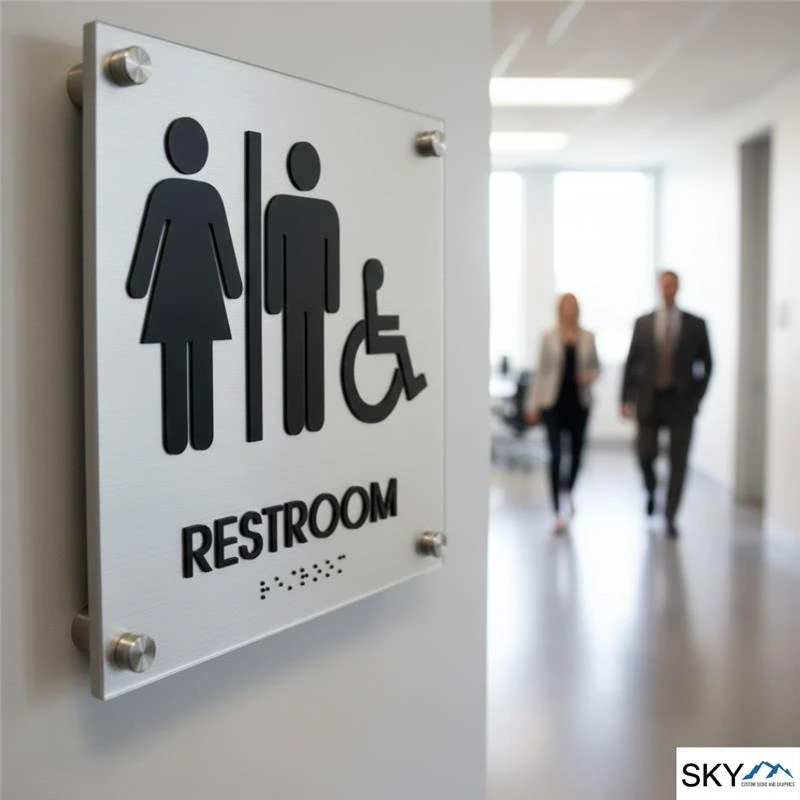
In today’s regulatory and customer-centric business environment, accessibility is no longer a secondary consideration—it is a baseline requirement. For businesses operating in Minnetonka, ADA-compliant signage plays a critical role in ensuring equal access, reducing legal risk, and presenting a professional, inclusive brand image. Far from being a mere compliance checkbox, well-designed ADA signage actively shapes how modern businesses are perceived and experienced.
Understanding ADA Signage and Why It Matters
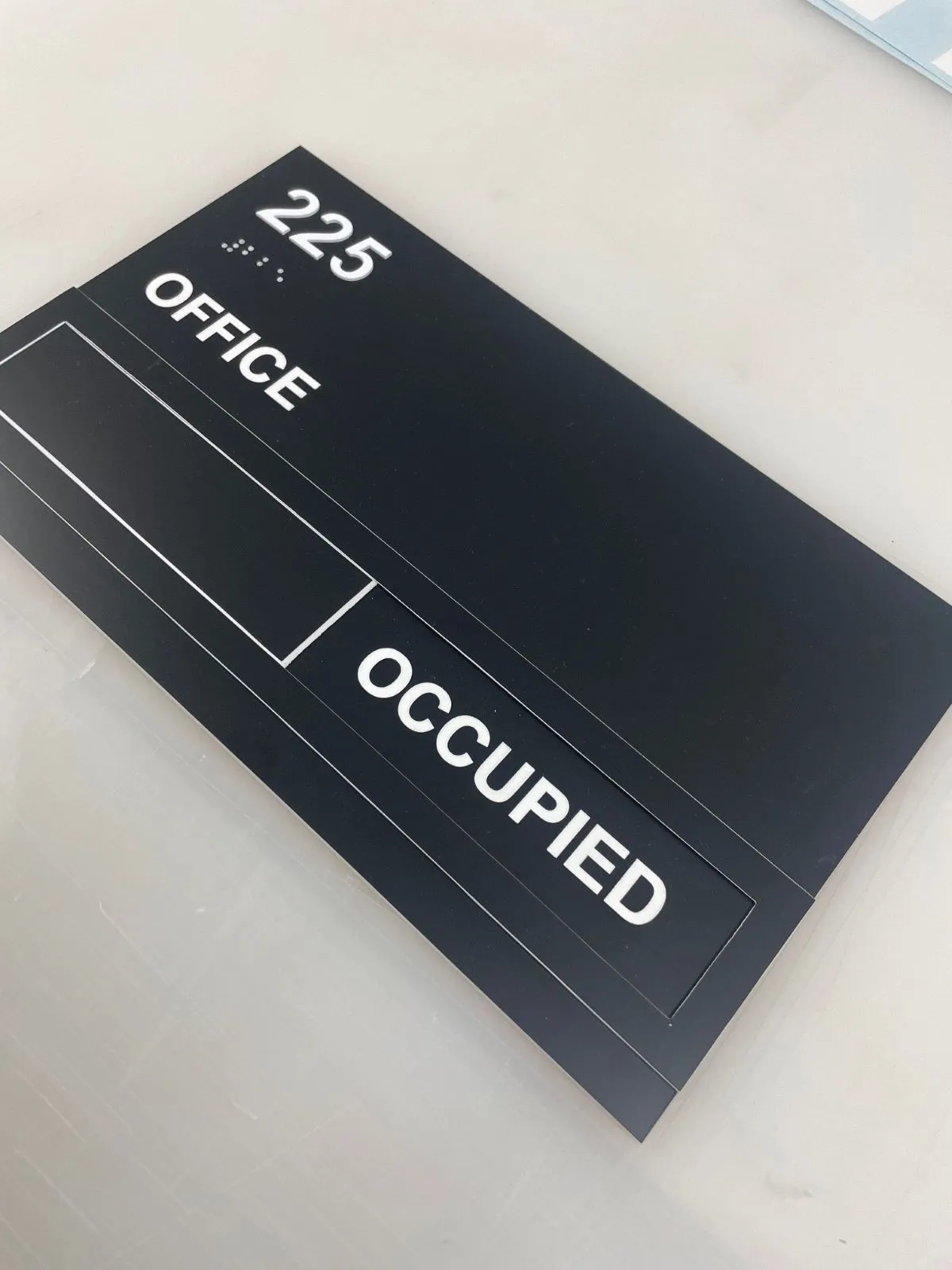
The Americans with Disabilities Act (ADA) establishes clear standards to ensure that individuals with disabilities can navigate public and commercial spaces independently and safely. ADA signage requirements cover elements such as tactile lettering, Grade 2 Braille, proper character spacing, contrast ratios, mounting heights, and location guidelines.
For Minnetonka businesses—whether offices, medical facilities, retail stores, or multi-tenant commercial buildings—these standards are not optional. Failure to comply can expose organizations to complaints, inspections, fines, or litigation. More importantly, non-compliance creates real barriers for customers, employees, and visitors with visual or mobility impairments.
Minnetonka’s Business Landscape and Accessibility Expectations
Minnetonka is home to a diverse mix of corporate headquarters, professional offices, healthcare providers, and growing retail developments. Many of these spaces serve the public daily and must meet both federal ADA requirements and local building codes.
Modern customers and employees also bring higher expectations. Accessibility is increasingly viewed as a reflection of corporate responsibility and operational maturity. Businesses that invest in proper ADA signage demonstrate that they value inclusivity, attention to detail, and long-term compliance—not just short-term aesthetics.
ADA Signage as a Brand Asset, Not a Design Limitation
One common misconception is that ADA-compliant signs must look generic or detract from interior design. In reality, custom ADA signage allows Minnetonka businesses to align compliance with branding.
By using approved color contrasts, materials, and finishes—such as acrylic, metal, or photopolymer—businesses can create signs that meet ADA standards while still reflecting brand colors, typography, and overall design language. Reception signs, room identification signs, directional signage, and restroom signs can all be customized without compromising accessibility.
When executed correctly, ADA signage enhances professionalism. It signals that the business is thoughtful, organized, and welcoming to all users.
Reducing Legal and Operational Risk
From a risk management perspective, ADA signage is one of the most straightforward compliance areas to address—yet one of the most commonly overlooked. Improper mounting height, missing Braille, low contrast text, or incorrect pictograms can all constitute violations.
For property managers and business owners in Minnetonka, proactive investment in compliant signage helps avoid costly retrofits, inspection delays, or tenant disputes. This is especially important during renovations, tenant improvements, or business expansions, when signage updates are often required to meet current codes.
Consistent ADA compliance across all signage also simplifies future audits and reduces ambiguity if complaints arise.
Improving Wayfinding and User Experience
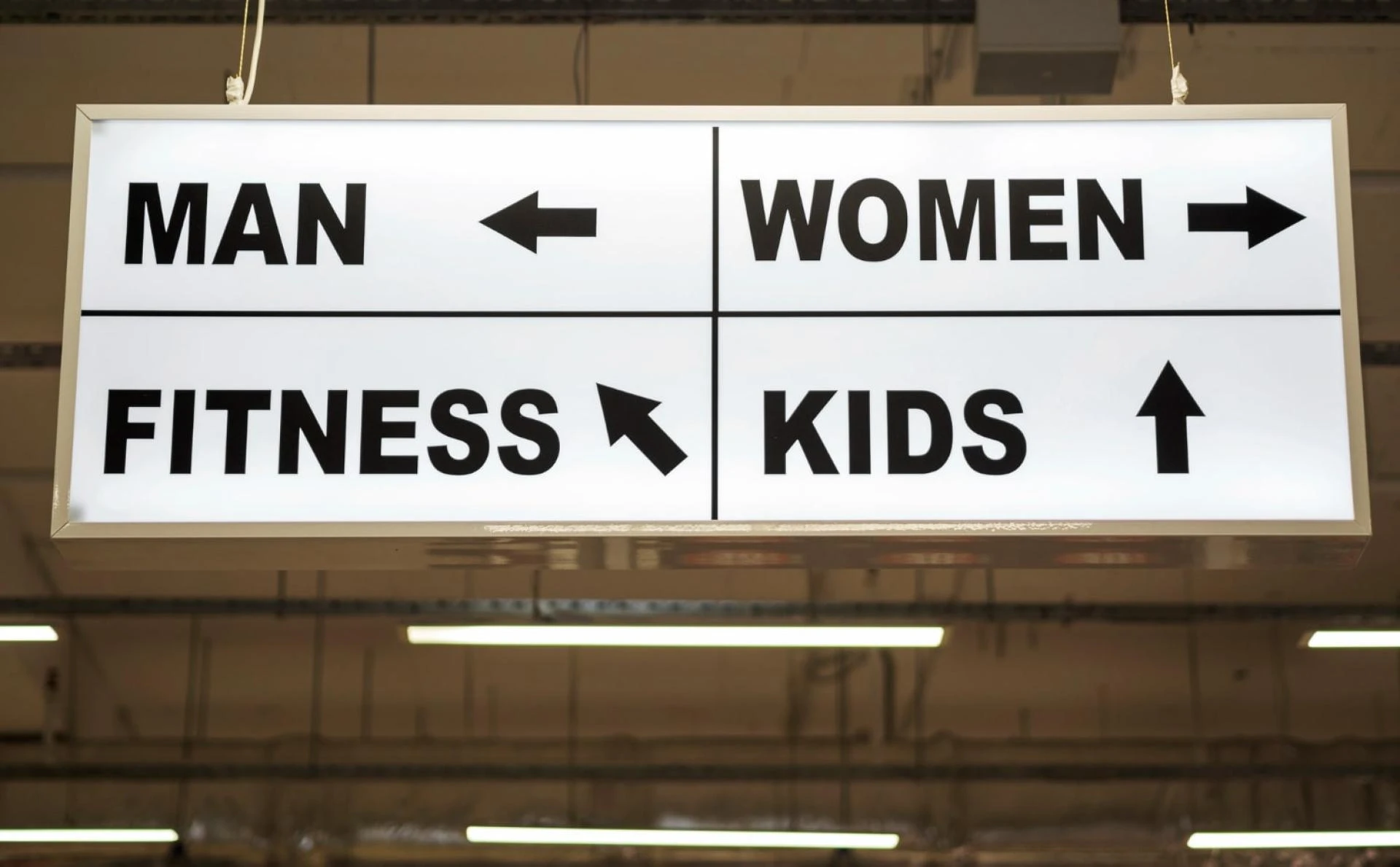
Beyond compliance, ADA signage significantly improves overall wayfinding. Clear, readable, and properly placed signs help everyone—not only individuals with disabilities—navigate a space more efficiently.
In medical offices, ADA-compliant directional signage reduces confusion and stress for patients. In corporate environments, it helps visitors find conference rooms, restrooms, and exits quickly. In retail or hospitality settings, it improves traffic flow and customer satisfaction.
In this sense, ADA signage supports operational efficiency while enhancing the customer experience.
Supporting Inclusive Workplaces
Accessibility does not stop at customer-facing areas. Modern Minnetonka businesses are increasingly focused on creating inclusive workplaces for employees as well. ADA-compliant signage ensures that staff members with visual impairments can move independently through offices, break rooms, restrooms, and emergency exits.
This commitment supports diversity, equity, and inclusion initiatives and reinforces a positive employer brand. It also helps businesses remain compliant with employment-related accessibility obligations.
Why Local Expertise Matters
ADA standards are precise, and small errors can result in non-compliance. Working with a signage provider familiar with Minnetonka’s permitting environment, commercial building types, and inspection expectations helps ensure accuracy from design through installation.
Local expertise also means better coordination with architects, contractors, and facility managers—reducing delays and ensuring signage integrates seamlessly into the space.
Accessibility Is a Business Standard, Not an Afterthought
For modern Minnetonka businesses, ADA signage is not simply about avoiding penalties—it is about meeting the expectations of today’s market. Accessible environments are easier to navigate, more welcoming, and more professional. They protect the business legally while strengthening trust with customers, employees, and partners.
In an era where brand reputation and operational excellence go hand in hand, accessibility is not optional. ADA-compliant signage is a foundational investment that shapes how businesses in Minnetonka function, compete, and grow.

























Sign in to leave a comment.