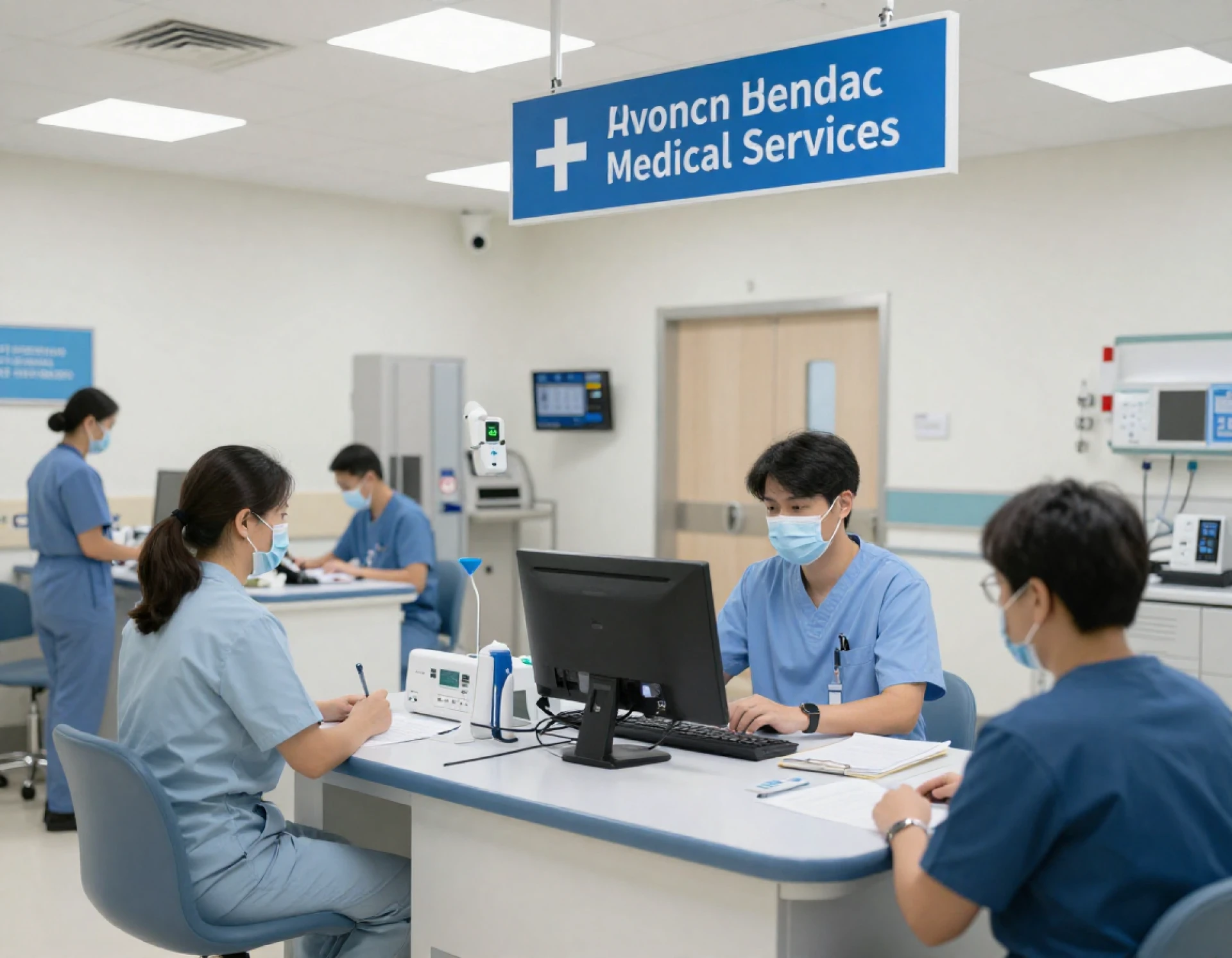

Healthcare accessibility plays a critical role in community well-being, particularly in fast-growing cities like Pearland, Texas. Located within the Houston metropolitan area, Pearland has experienced significant population growth over the past decade. According to U.S. Census Bureau data, Pearland’s population surpasses 120,000 residents, increasing demand for high-quality emergency and urgent medical services.
Across the United States, emergency departments manage more than 130 million visits annually, as reported by the Centers for Disease Control and Prevention (CDC). At the same time, urgent care centers account for approximately 160 million patient visits each year. These numbers highlight how Americans rely on immediate care services for injuries, infections, sudden illness, and time-sensitive medical needs.
This comprehensive guide outlines how emergency and advanced care services function in Pearland, what patients can expect during a visit, the types of conditions treated, and how to determine when urgent or emergency evaluation is necessary.
Understanding the Difference Between Emergency and Urgent Care
Many patients are unsure whether to visit an urgent care clinic or an emergency facility. Understanding the distinction is crucial.
Emergency Rooms
Emergency rooms operate 24/7 and are equipped to manage life-threatening conditions. Federal law under the Emergency Medical Treatment and Labor Act (EMTALA) requires emergency departments to provide medical screening and stabilization regardless of insurance status.
ERs treat:
- Heart attacks and chest pain
- Stroke symptoms
- Severe abdominal pain
- Major trauma from accidents
- Uncontrolled bleeding
- Severe allergic reactions
- Difficulty breathing
- Seizures or loss of consciousness
Urgent Care Centers
Urgent care clinics handle non-life-threatening conditions that still require prompt medical attention, such as:
- Minor fractures and sprains
- Mild asthma attacks
- Flu and respiratory infections
- Minor cuts requiring stitches
- Ear infection
In growing communities like Pearland, access to both levels of care ensures residents receive timely treatment without traveling long distances.
Common Medical Conditions Treated
Advanced emergency facilities in Pearland manage a wide range of acute medical concerns.
Cardiac Emergencies
Cardiovascular disease remains the leading cause of death in the United States. The American Heart Association reports that someone suffers a heart attack approximately every 40 seconds. Rapid evaluation with electrocardiograms (EKGs), cardiac enzyme testing, and imaging improves survival rates.
Stroke
Stroke is a leading cause of long-term disability. Immediate CT scans and clot-busting medications significantly reduce complications. The phrase “time is brain” underscores the importance of rapid diagnosis.
Trauma and Injuries
Car accidents, workplace injuries, and sports-related incidents require emergency assessment. Trauma teams focus on stabilizing airway, breathing, and circulation before further intervention.
Abdominal Emergencies
Appendicitis, gallbladder disease, pancreatitis, and bowel obstruction often present with severe abdominal pain. Diagnostic imaging such as CT scans allows precise diagnosis.
Respiratory Distress
Asthma, pneumonia, and pulmonary embolism demand prompt attention. Oxygen therapy and bronchodilators are frequently used in stabilization.
What to Expect During a Visit
Understanding the patient flow reduces anxiety and confusion.
Triage Process
Upon arrival, trained nurses assess symptom severity using standardized triage scales. Patients with life-threatening conditions are prioritized immediately.
Diagnostic Testing
Emergency centers often provide on-site:
- Laboratory services
- Digital X-rays
- CT scans
- Ultrasound imaging
- Cardiac monitoring
These capabilities allow physicians to identify serious conditions quickly.
Treatment and Stabilization
Patients may receive IV fluids, medications, oxygen therapy, wound repair, or splinting as needed.
Discharge or Admission
After evaluation, patients are either discharged with detailed instructions, admitted for inpatient care, or transferred to specialized centers for advanced treatment.
Wait Times and Efficiency
Nationwide, average emergency room wait times range between 30 minutes and two hours depending on patient volume. Crowded urban hospitals often experience longer delays.
Freestanding emergency facilities in suburban areas focus on reducing door-to-provider times. Faster evaluation benefits patients experiencing chest pain, stroke symptoms, and trauma.
Insurance, Billing, and Transparency
Emergency visits in the U.S. can vary widely in cost. According to healthcare cost analyses, ER visits may range from several hundred dollars to several thousand dollars depending on the complexity of testing and treatment.
Most insurance plans cover emergency services; however, deductibles and copayments apply. Recent federal regulations protect patients from surprise billing when receiving emergency treatment.
Patients should carry insurance information and a list of medications to streamline registration.
Pediatric and Geriatric Emergency Care
Pediatric Services
Children may present differently than adults. Dehydration, high fevers, asthma attacks, and injuries require specialized assessment. Pediatric-friendly diagnostic tools improve accuracy.
Older Adults
Seniors often have multiple chronic conditions such as diabetes, hypertension, or heart disease. Emergency physicians evaluate subtle symptoms carefully, as infections or cardiac events may present atypically in this population.
The Importance of Rapid Access in Growing Communities
Pearland’s rapid expansion increases healthcare demand. Proximity to quality emergency services can significantly impact survival rates in cardiac arrest, trauma, and stroke cases.
The American Heart Association notes that survival decreases by 7 to 10 percent for every minute defibrillation is delayed during cardiac arrest. Accessible emergency services reduce transport time and improve outcomes.
As more residents research immediate care options, many families search for next care pearland when evaluating where to seek rapid medical attention during urgent situations.
Technology and Modern Emergency Medicine
Advanced emergency centers integrate modern equipment to enhance diagnosis and treatment.
Key technologies include:
- High-resolution CT scanners
- Digital radiology
- On-site laboratories with rapid turnaround
- Cardiac telemetry systems
- Point-of-care ultrasound
Rapid diagnostics are especially critical for stroke and trauma cases, where minutes directly influence recovery potential.
Mental Health Emergencies
Emergency facilities also provide care for psychiatric crises. Severe anxiety attacks, suicidal ideation, and acute psychosis require immediate evaluation. Mental health screening protocols ensure patient and staff safety.
The National Alliance on Mental Illness reports that approximately one in five U.S. adults experiences mental illness each year. Access to crisis intervention services remains an important part of comprehensive emergency care.
Infection Control and Safety Protocols
Healthcare-associated infections pose serious risks. Emergency facilities implement strict sanitation procedures, including:
- Sterile equipment practices
- Isolation rooms for contagious illnesses
- Hand hygiene compliance
- Personal protective equipment use
These measures became especially important during the COVID-19 pandemic and continue to protect patients today.
Preparing for an Emergency
Households can take proactive steps to prepare:
- Keep a current list of medications
- Know allergy history
- Understand signs of stroke and heart attack
- Maintain emergency contacts
- Call 911 for life-threatening situations
Early action improves outcomes and reduces complications.
When to Call 911
Certain conditions require ambulance transport instead of personal driving:
- Chest pain suggestive of heart attack
- Signs of stroke
- Unresponsiveness
- Severe bleeding
- Major trauma
Paramedics begin treatment immediately en route to the hospital, providing oxygen, medications, and cardiac monitoring.
Follow-Up and Recovery
After discharge, following medical advice is critical. Patients may need to see specialists, undergo additional imaging, or adjust medications.
Clear discharge instructions reduce readmissions and prevent complications.
Community Health Impact
Reliable emergency services strengthen community resilience. Access to timely diagnostics, experienced physicians, and 24-hour care builds public trust and ensures that families feel secure knowing help is available at any hour.
In suburban regions like Pearland, well-equipped facilities reduce strain on larger metropolitan hospitals and provide more personalized attention.
Final Thoughts
Access to immediate, high-quality medical care is a cornerstone of public health in the United States. With Pearland’s growing population, reliable emergency and urgent care services are more important than ever. Recognizing warning signs, understanding where to seek treatment, and acting quickly during medical emergencies can dramatically improve outcomes.
From advanced imaging technology to specialized trauma and cardiac care, modern emergency facilities deliver rapid diagnosis and stabilization when every second matters. Whether facing sudden chest pain, injury, severe infection, or respiratory distress, knowing that dependable care is available nearby provides reassurance and safety for the entire community.
Choosing appropriate emergency services ensures that individuals receive the right level of care at the right time, protecting health and supporting long-term recovery.






























Sign in to leave a comment.