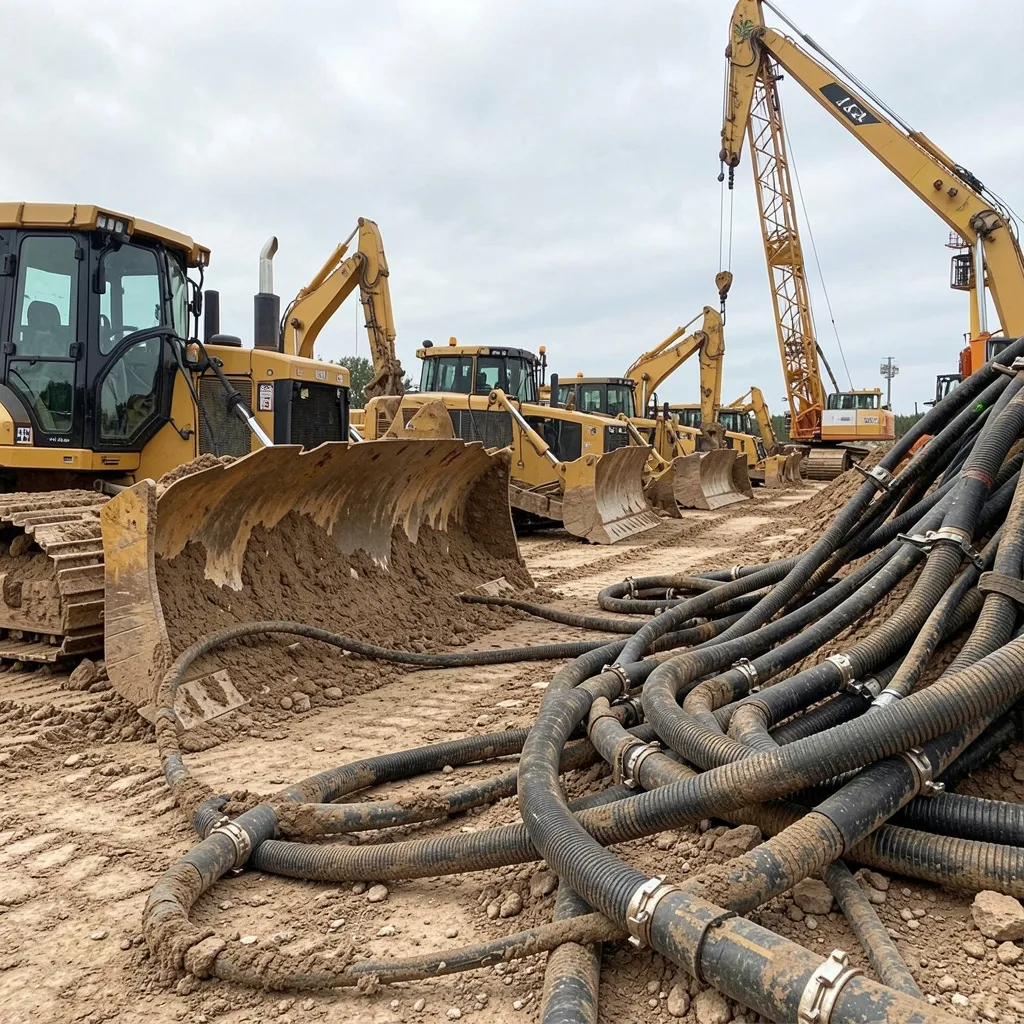

Delays on construction sites rarely come from a single issue. More often, they build up from small inefficient machines breaking down mid-task, equipment mismatched to the job, or poor coordination between operators and project timelines. In fast-moving markets like China, where infrastructure and urban development projects run on tight deadlines, these inefficiencies quickly translate into financial losses.
At the center of these challenges lies one critical factor: how effectively heavy equipment is selected, managed, and maintained. Companies that treat machinery as a long-term operational asset—not just a purchase—consistently deliver projects faster, safer, and within budget.
Why Equipment Strategy Defines Project Success
Modern construction is no longer just about manpower. It relies heavily on mechanization, automation, and precision engineering. From excavation to finishing, every phase depends on specialized machines designed for specific tasks.
Poor equipment decisions can lead to:
- Increased fuel consumption
- Frequent breakdowns
- Project delays
- Higher labor costs
- Safety risks on-site
In contrast, optimized equipment planning ensures smooth workflows, reduces idle time, and improves overall project efficiency.
Core Categories of Heavy Equipment Used in Projects
Understanding equipment categories is essential for selecting the right machines for each stage of a project.
Earthmoving Equipment
These machines handle excavation, grading, and land preparation. Common examples include:
- Excavators for digging and trenching
- Bulldozers for pushing large quantities of soil
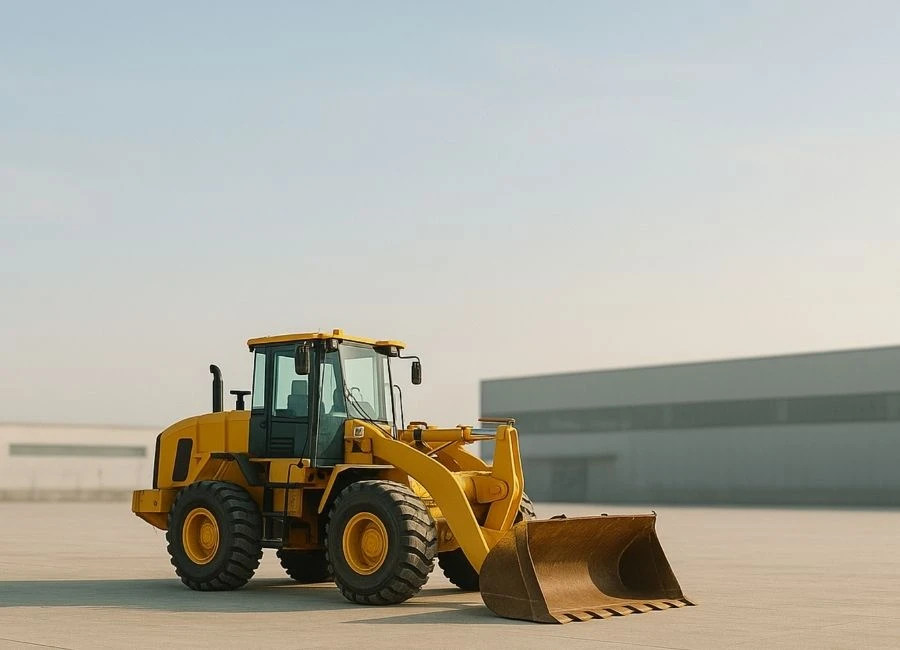
- Wheel loaders for material handling
In China’s large-scale infrastructure projects, high-capacity excavators are widely used for highway and railway development.
Material Handling Equipment
Efficient material movement is critical for maintaining workflow.
- Cranes (tower, mobile, crawler) for lifting heavy loads
- Forklifts for warehouse and site logistics
- Hoists for vertical transportation
Tower cranes dominate high-rise construction in cities like Shanghai and Shenzhen, where vertical expansion is constant.
Road Construction Equipment
Road and highway development require specialized machinery such as:
- Asphalt pavers
- Road rollers for compaction
- Milling machines for surface preparation
China’s rapid highway expansion relies heavily on synchronized use of these machines to maintain consistent road quality.
Concrete Equipment
Concrete remains the backbone of modern construction.
- Concrete mixers
- Batching plants
- Concrete pumps
Automated batching systems are increasingly used to ensure consistency and reduce material waste.
Key Factors When Selecting Equipment
Choosing the right machine goes beyond brand or price. It requires a detailed evaluation of project requirements.
Project Scale and Scope
Large infrastructure projects demand high-capacity machines, while smaller urban developments benefit from compact, flexible equipment.
Terrain and Environment
Mountainous regions, urban spaces, and coastal areas all require different machine specifications. For example, tracked equipment performs better on uneven terrain, while wheeled machines are ideal for paved surfaces.
Fuel Efficiency and Emissions
China’s environmental regulations are becoming stricter. Low-emission engines and energy-efficient machines are now a priority for contractors aiming to meet compliance standards.
Availability of Spare Parts and Service
Downtime due to unavailable parts can halt operations. Reliable after-sales support and local availability of components are essential.
The Shift Toward Smart and Connected Machines
Technology is transforming how construction equipment is used and managed. Modern machines are no longer standalone tools—they are part of a connected ecosystem.
Telematics and Real-Time Monitoring
Telematics systems provide real-time data on:
- Machine performance
- Fuel usage
- Operating hours
- Maintenance needs
Fleet managers can track multiple machines across different sites, improving coordination and reducing idle time.
Automation and Precision Control
Semi-autonomous and GPS-enabled machines are increasingly used for tasks like grading and excavation. These systems improve accuracy and reduce human error.
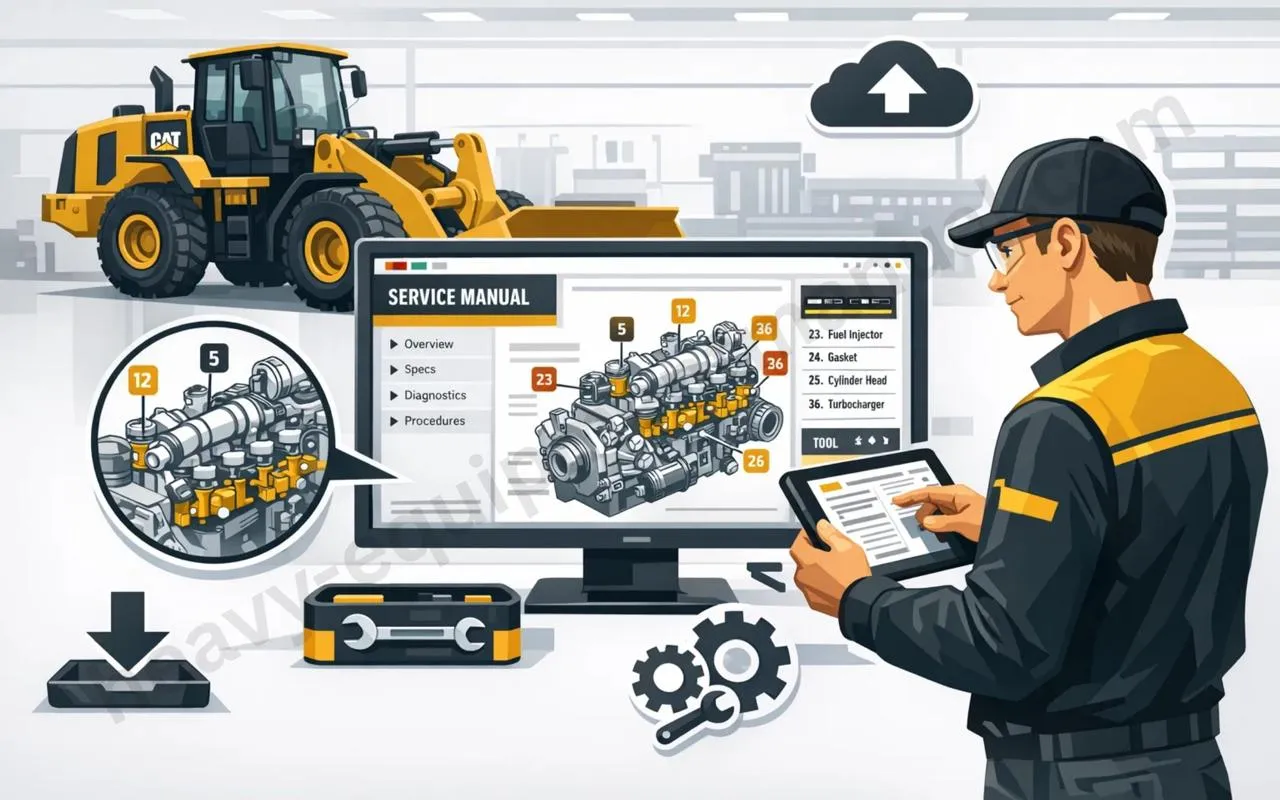
Predictive Maintenance
Instead of reacting to breakdowns, companies now use data to predict when maintenance is needed. This approach reduces unexpected failures and extends equipment lifespan.
Real-World Example: Urban Development Projects in China
A mid-sized contractor working on residential high-rise projects in Guangzhou faced recurring delays due to equipment downtime and inefficient material handling.
After upgrading to newer machines with telematics integration and implementing scheduled maintenance, the company achieved:
- 18% reduction in project completion time
- 25% decrease in maintenance costs
- Improved on-site safety records
The improvement was not just due to better machines, but better management of those machines.
Cost Management: Beyond Initial Investment
Focusing only on purchase cost often leads to poor decisions. The true cost of equipment includes:
- Fuel consumption
- Maintenance expenses
- Downtime losses
- Operator efficiency
A cheaper machine with higher fuel usage and frequent breakdowns can cost significantly more over time than a premium, efficient alternative.
Total Cost of Ownership (TCO)
Professional contractors evaluate equipment based on TCO, which provides a more accurate picture of long-term value.
Safety Considerations on Modern Job Sites
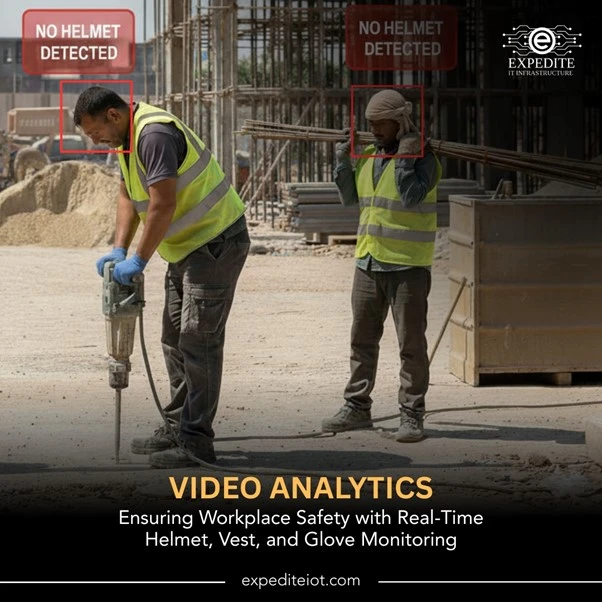
Safety is a major concern in construction, especially on large projects with multiple machines operating simultaneously.
Key safety practices include:
- Regular equipment inspections
- Operator training and certification
- Use of safety sensors and cameras
- Clear communication protocols on-site
Modern machines often come equipped with advanced safety features such as collision detection systems and automatic shut-off mechanisms.
Sustainability and Environmental Impact
Sustainability is becoming a priority in the construction industry, particularly in China where environmental regulations are tightening.
Eco-Friendly Equipment
- Electric and hybrid machines reduce emissions
- Fuel-efficient engines lower environmental impact
- Advanced filtration systems minimize pollutants
Material Efficiency
Precise machinery reduces material waste, contributing to more sustainable construction practices.
Why Professional Equipment Providers Matter
Managing equipment internally can be complex, especially for companies handling multiple projects simultaneously. Partnering with a specialized provider ensures access to the latest machines, technical support, and maintenance services.
Companies like Mekantra Tech offer tailored solutions that align with project requirements, helping contractors maintain efficiency without overextending resources.
For businesses looking to scale operations, working with an experienced provider of construction machinery ensures consistent performance, reduced downtime, and better cost control.
Future Trends Shaping the Industry
The construction sector is evolving rapidly, driven by technological advancements and changing market demands.
Digital Integration
Integration of Building Information Modeling (BIM) with equipment systems allows better planning and execution.
Electrification
Electric machinery is gaining traction, especially in urban areas where noise and emissions are regulated.
Remote Operation
Remote-controlled equipment is being tested for hazardous environments, improving worker safety.
Modular Construction Support
Prefabrication and modular construction require precise and efficient machinery for assembly and installation.
Final Thoughts
Efficient project execution depends on more than just skilled labor and strong planning. Equipment plays a central role in determining speed, cost, and safety outcomes.
Contractors who invest in the right machines, adopt modern technologies, and implement structured management systems consistently outperform those relying on outdated practices.
In competitive markets like China, where timelines are tight and standards are high, the margin for error is minimal. A strategic approach to equipment is no longer optional—it is essential for staying competitive and delivering successful projects.
FAQ Section
What types of equipment are essential for large-scale construction projects?
Large-scale projects typically require excavators, cranes, loaders, road construction machines, and concrete equipment. The exact mix depends on project scope and site conditions.
How can companies reduce equipment downtime?
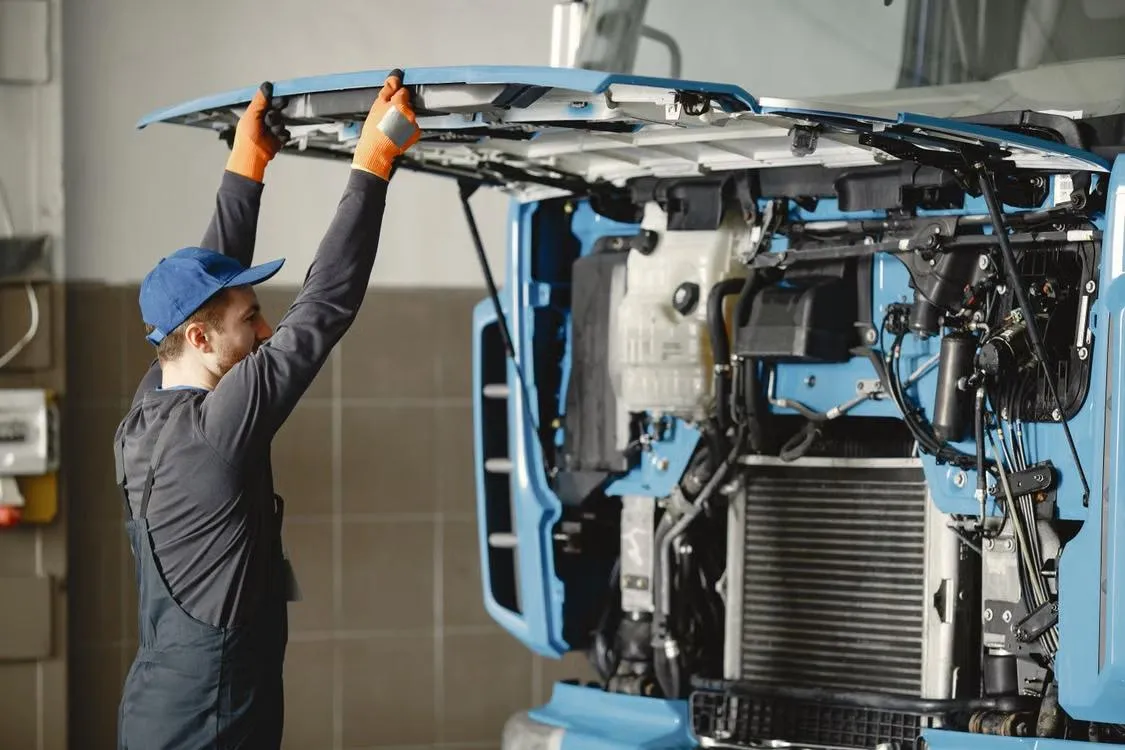
Regular maintenance, use of telematics systems, and access to reliable spare parts help minimize downtime and improve operational efficiency.
Is it better to buy or rent heavy equipment?
It depends on project duration and budget. Long-term projects often justify purchasing, while short-term or specialized needs are better served through rental options.



















Sign in to leave a comment.