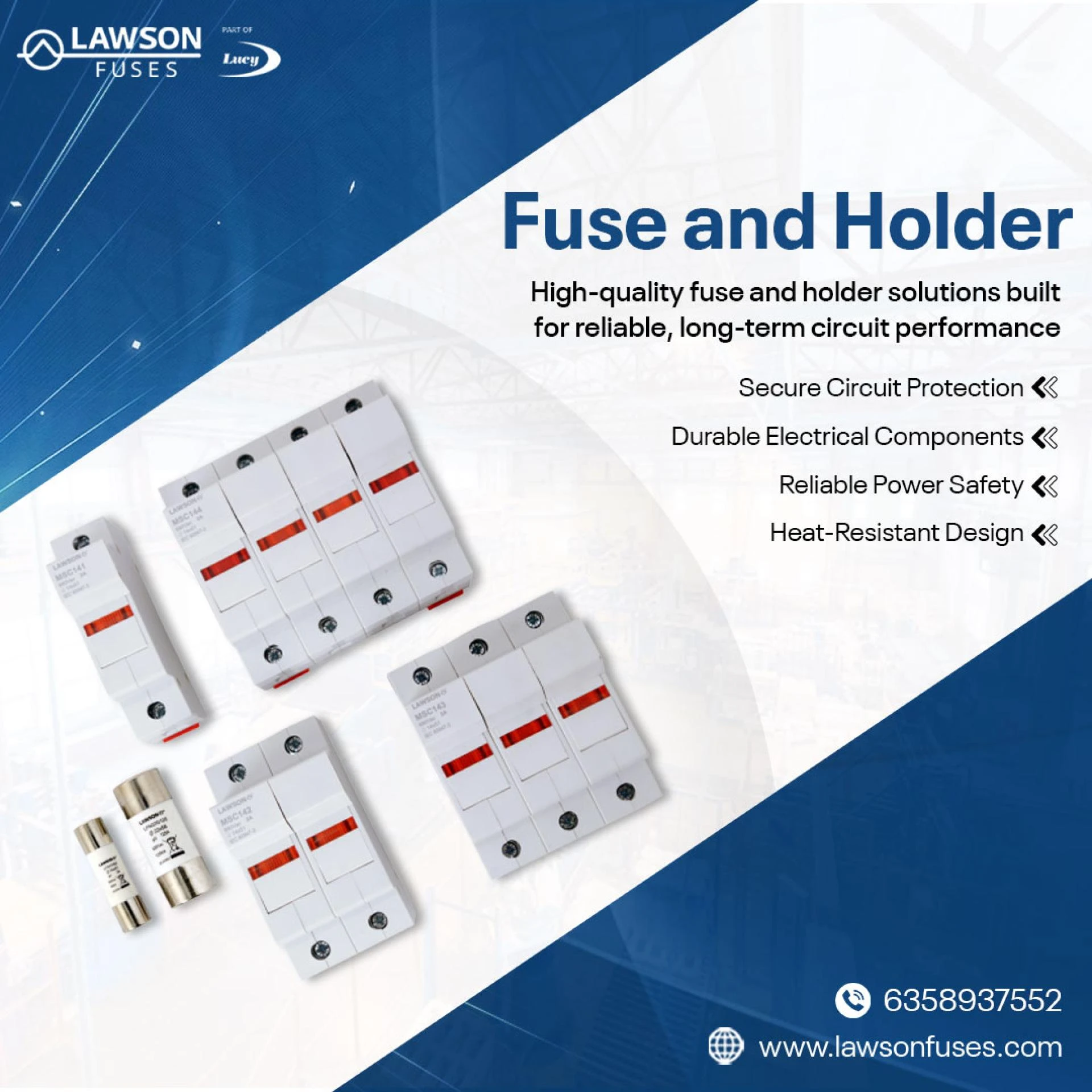

Safety and reliability of today's Electronic and Electrical Systems are important factors in all industries, including industrial machinery, commercial buildings, and residential usage, by protecting electrical circuits against overloads and short circuits. Even though a fuse may be the most basic component of electrical circuit protection, the fuse holder, which holds the fuse in place, is very often an underappreciated or neglected component. Fuses themselves are designed to break the path of excessive current, whereas the fuse holder actually provides a means by which the fuse can operate safely, effectively, and reliably.
This article discusses the various types of Fuse Holders, the ways they can be used, and the way they work in conjunction with other devices, such as the HRC fuse, Fuse Carrier, and the overall Fuse and Fuse Holder assembly to protect electrical systems.
What Is a Fuse Holder?
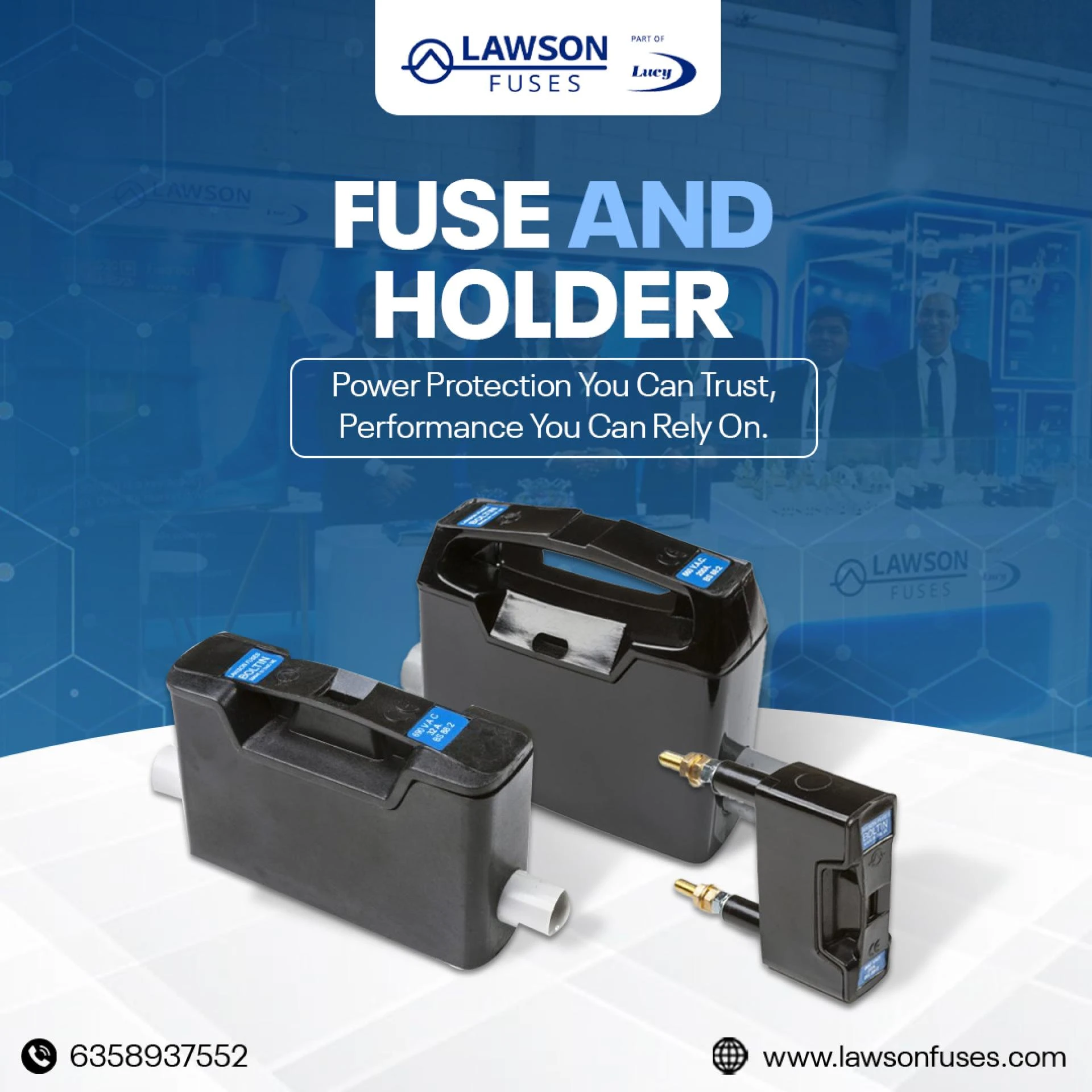
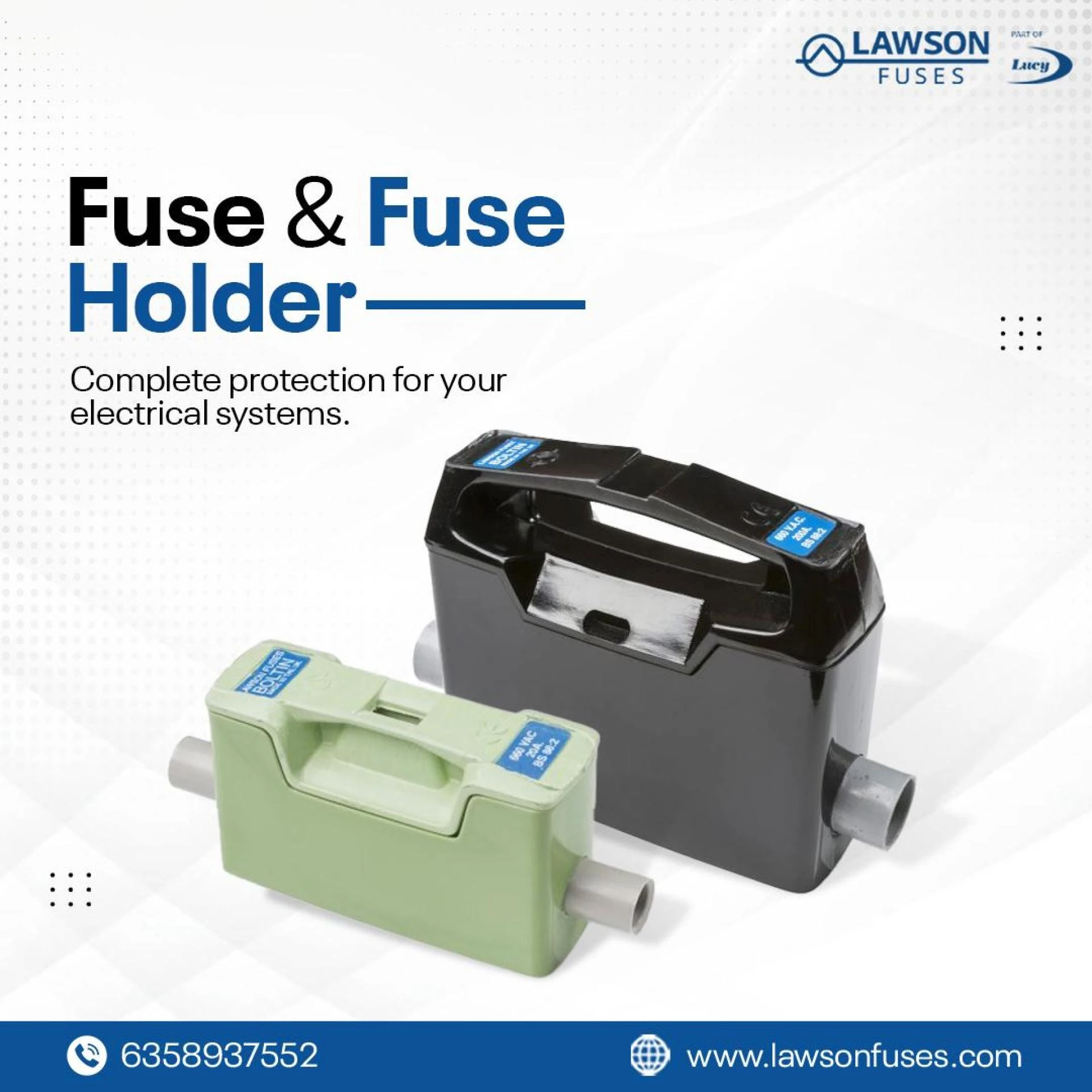
A fuse holder is a mechanical and electrical device designed to house, secure, and protect a fuse within a circuit. It provides a safe connection point between the fuse and the electrical system, ensuring proper current flow under normal conditions and safe disconnection during fault conditions. Without a proper fuse holder, even the best-quality fuse may fail to perform effectively or safely.
Fuse holders are designed to accommodate specific fuse types, sizes, and ratings. They also protect users from accidental contact with live components and help prevent damage caused by vibration, heat, or environmental factors.
Why Fuse Holders Are Essential for Circuit Protection
The importance of fuse holders goes far beyond simply holding a fuse in place. Here are some key reasons why fuse holders are essential:
- Safety – Fuse holders prevent direct contact with live electrical parts, reducing the risk of electric shock during installation, inspection, or replacement.
- Reliability – A secure fuse holder ensures proper alignment and contact, which is necessary for the fuse to operate correctly during overload or short-circuit conditions.
- Ease of Maintenance – Fuse holders allow quick and safe replacement of fuses, minimizing system downtime.
- System Protection – A properly selected Fuse and Fuse holder combination helps protect expensive equipment and wiring from damage.
Understanding the Fuse and Fuse Holder Relationship
The Fuse and Fuse holder function as a single protective unit within an electrical circuit. While the fuse is the sacrificial component that melts under excess current, the fuse holder ensures that the fuse is correctly installed and electrically connected. A mismatch between fuse and holder ratings can lead to overheating, poor contact, or failure to interrupt the circuit effectively.
For example, high-current industrial applications often require specialized fuse holders designed to handle the thermal and mechanical stresses associated with heavy loads. Using a standard holder in such applications can compromise safety and performance.
Types of Fuse Holders
Fuse holders come in various designs to suit different applications. Understanding these types helps in selecting the right solution for specific needs.
1. Panel-Mounted Fuse Holders
These are commonly used in control panels and distribution boards. They allow easy access to the fuse from the front of the panel, making maintenance simple and safe.
2. DIN Rail Fuse Holders
Widely used in industrial control systems, DIN rail fuse holders are designed for quick installation on standard DIN rails. They often include a Fuse Carrier, which allows the fuse to be inserted or removed without disturbing wiring.
3. Inline Fuse Holders
Inline holders are used in wiring systems where the fuse needs to be installed directly into the cable run. They are common in automotive, electronics, and low-voltage applications.
4. PCB Fuse Holders
These holders are mounted directly onto printed circuit boards and are commonly used in electronic devices to protect sensitive components.
The Role of the Fuse Carrier
A Fuse Carrier is an integral part of many fuse holder designs, especially in industrial and high-power applications. It is the removable section that holds the fuse and can be easily pulled out or switched off for inspection or replacement. Fuse carriers enhance safety by allowing the circuit to be isolated before removing the fuse, reducing the risk of accidental contact with live parts.
In switch-fuse units, the fuse carrier often acts as a manual disconnect, combining switching and protection functions in one compact device. This makes maintenance safer and more efficient, especially in industrial environments.
HRC Fuse and Its Compatibility with Fuse Holders
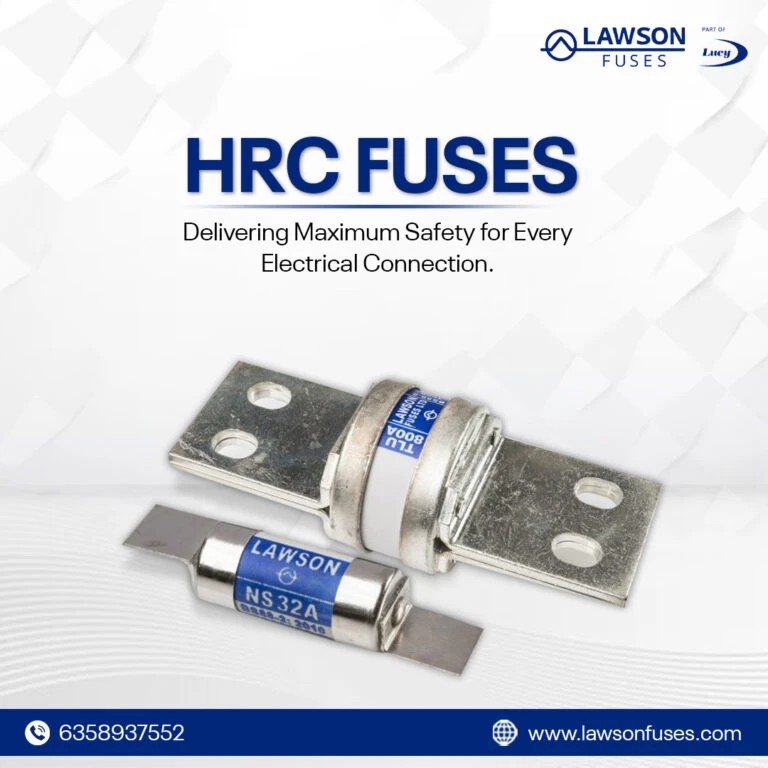
An HRC fuse (High Rupturing Capacity fuse) is designed to safely interrupt very high fault currents without causing damage to the surrounding equipment. These fuses are commonly used in industrial and commercial power systems where fault levels can be extremely high.
HRC fuses require the use of specialized fuse holders that are designed to carry high electrical loads, provide mechanical support, protect against excessive heat, and provide secure electrical contact at all times in order to operate properly. Typically, HRC fuse holders are constructed from durable materials that resist heat and allow for reliable operation regardless of the size of the load being carried by the circuit.
If an HRC fuse is placed in an incompatible holder, it will not perform to its full capacity and create a significant potential hazard for those who use that combination of components. As a result, selecting the appropriate combinations of HRC fuses and their respective holders is of utmost importance when dealing with high loads on electrical circuits.
Applications of Fuse Holders
Fuse holders are used across a wide range of industries and applications, including:
- Industrial machinery and automation systems
- Power distribution panels
- Renewable energy systems (solar and wind)
- Commercial buildings
- Automotive and transportation systems
- Consumer electronics
In each of these applications, fuse holders contribute to system stability, safety, and ease of maintenance.
How to Choose the Right Fuse Holder
Selecting the right fuse holder involves several important considerations:
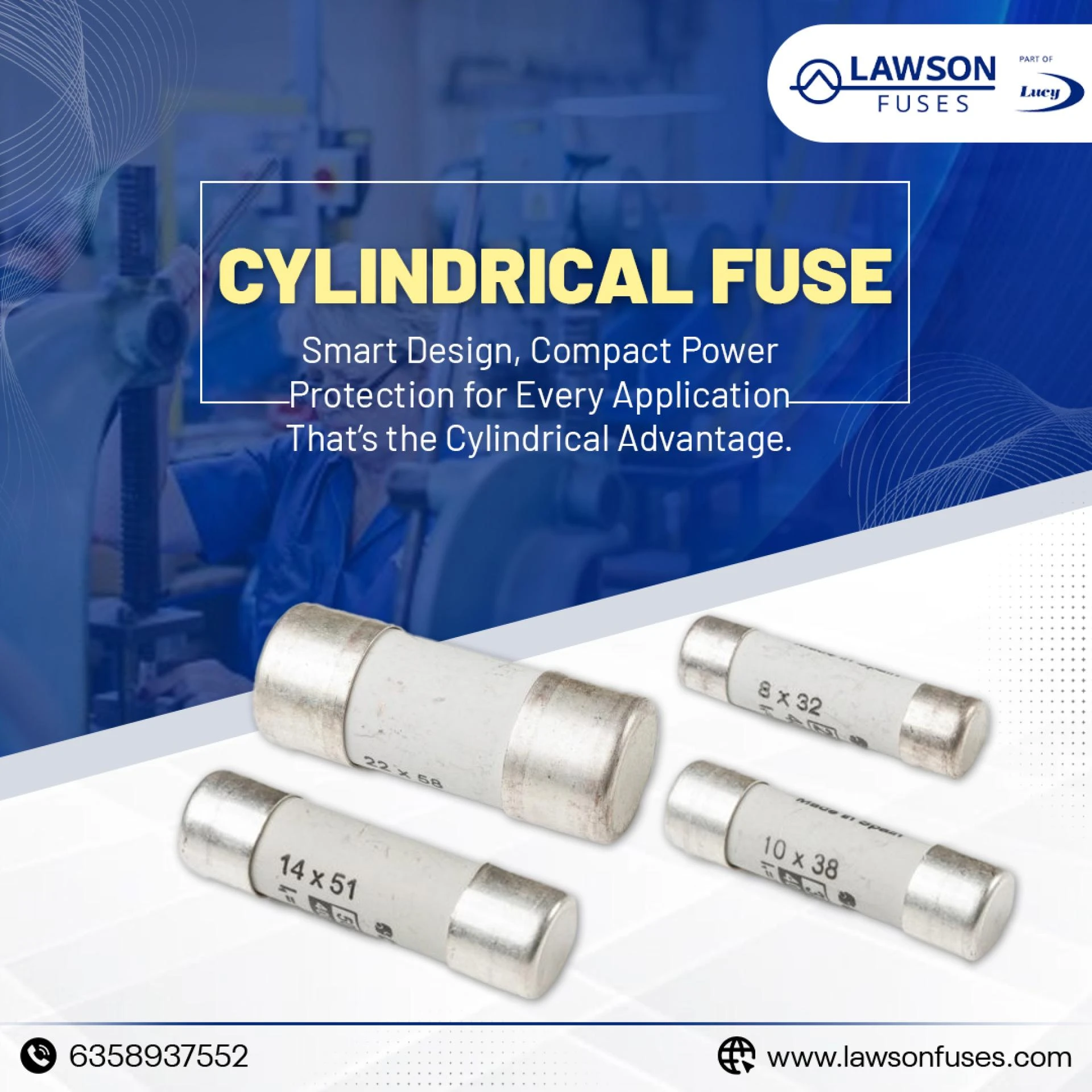
- Fuse Type and Rating – Ensure compatibility with the specific fuse, such as an HRC fuse or cartridge fuse.
- Current and Voltage Ratings – The holder must be rated equal to or higher than the circuit requirements.
- Mounting Style – Choose between panel-mounted, DIN rail, inline, or PCB-mounted holders based on the application.
- Environmental Conditions – Consider temperature, humidity, vibration, and exposure to dust or chemicals.
- Safety Features – Look for touch-proof designs and reliable fuse carrier mechanisms.
Wrapping It Up!
Fuse holders may seem like small components, but they play a vital role in electrical safety and circuit protection. By securely housing the fuse, providing proper electrical contact, and enabling safe maintenance, fuse holders ensure that protective devices function as intended. Whether used with a standard fuse or a high-performance HRC fuse, the correct Fuse and Fuse holder combination is essential for protecting equipment, minimizing downtime, and ensuring operational safety.
Understanding the function and importance of fuse holders, as well as the other components, such as the Fuse Carrier, allows engineers, technicians, and designers to make informed decisions regarding designs and the systems they use. Investing in good-quality Fuse Holders is not only a matter of code compliance, but importantly, it's one of the most critical elements that need to be addressed when creating electrical systems that are safe and reliable in operation.

























Sign in to leave a comment.