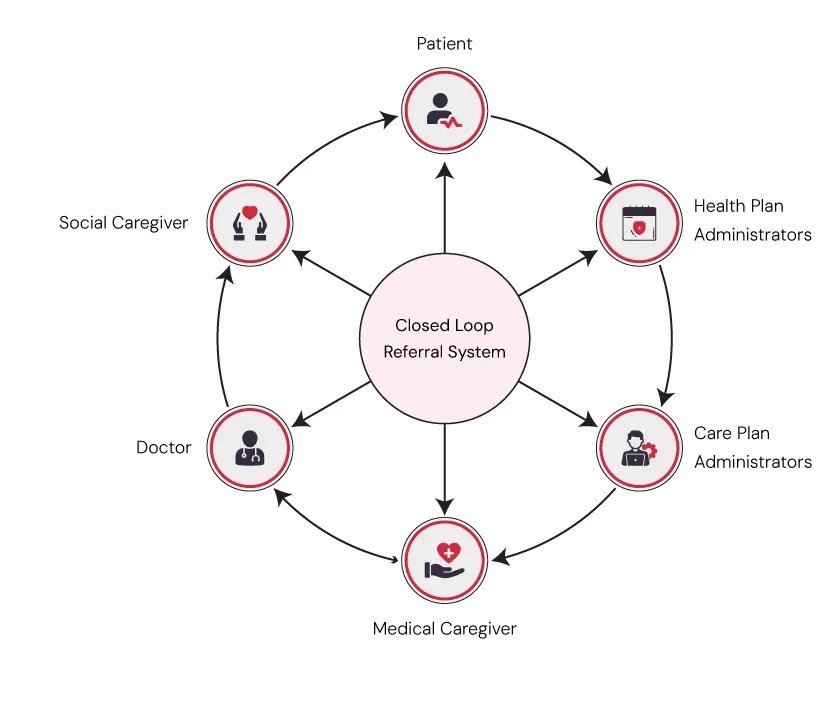

Healthcare and community service organizations face a common challenge: ensuring that individuals who are referred to services actually receive the support they need. Traditional referral methods often create communication gaps, leaving providers uncertain about outcomes and clients vulnerable to falling through the cracks. This is where a Closed Loop Referral System becomes a transformative solution. By connecting referral partners, tracking service delivery, and providing real-time visibility into referral outcomes, a closed-loop approach creates accountability and improves coordination across organizations. As healthcare providers, nonprofits, community-based organizations, and social service agencies increasingly focus on whole-person care, implementing a structured referral ecosystem has become essential for delivering measurable results and enhancing client experiences.
Understanding the Concept of a Closed Loop Referral System
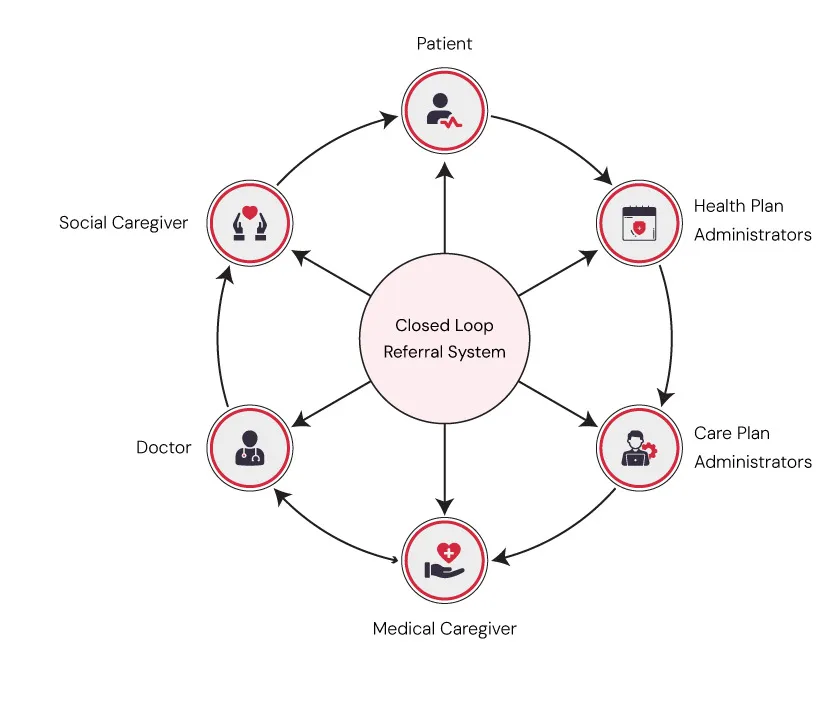
A Closed Loop Referral System is a technology-driven framework designed to ensure referrals are not only sent but also completed, tracked, and verified. Unlike traditional referral processes where information is passed from one organization to another with little follow-up, this model creates a continuous feedback loop.
The process begins when an organization identifies a need and submits a referral to an appropriate service provider. The receiving organization acknowledges the referral, updates its status, and communicates progress back to the referring entity. Once services are delivered, the loop is closed with outcome reporting and documentation.
This structured workflow enables organizations to monitor every stage of the referral journey. Whether addressing healthcare needs, housing support, food insecurity, transportation assistance, or behavioral health services, organizations gain visibility into outcomes while ensuring that individuals receive timely support.
Why Traditional Referral Processes Fall Short
For decades, referrals have relied heavily on emails, phone calls, spreadsheets, and disconnected databases. While these methods may work in limited situations, they often become inefficient as organizations scale their programs.
Common challenges associated with traditional referral management include:
- Lack of referral tracking
- Poor communication between partners
- Duplicate efforts across organizations
- Delayed service delivery
- Limited accountability
- Incomplete reporting and outcome measurement
Without a centralized platform, organizations frequently struggle to determine whether referrals were accepted, completed, or abandoned. This lack of transparency creates operational inefficiencies and negatively impacts the people seeking assistance.
A Closed Loop Referral System addresses these issues by providing a unified environment where referrals can be managed from initiation through completion.
Strengthening Care Coordination Through Connected Networks
One of the most significant advantages of a closed-loop approach is its ability to improve care coordination. Modern healthcare increasingly recognizes that social determinants of health significantly influence patient outcomes. Factors such as housing stability, nutrition access, employment opportunities, and transportation availability can directly affect overall well-being.
Healthcare providers often need to collaborate with community organizations to address these factors. A Closed Loop Referral System creates a bridge between medical providers and social service organizations, ensuring that referrals are not lost during transitions.
When all stakeholders operate within a connected network, communication becomes seamless. Providers can quickly identify available services, make referrals electronically, and receive updates regarding client progress. This coordinated approach enables organizations to work together toward shared goals while improving service delivery.
Enhancing Visibility Across the Referral Lifecycle
Visibility is a critical component of successful referral management. Organizations need access to accurate information at every stage of the referral process.
A robust closed-loop platform provides:
Referral Status Tracking
Users can monitor whether referrals are pending, accepted, scheduled, completed, or declined. This visibility reduces uncertainty and allows organizations to take corrective action when necessary.
Real-Time Notifications
Automated notifications keep all stakeholders informed about referral updates, reducing communication delays and improving responsiveness.
Outcome Reporting
Organizations can document service outcomes and measure referral effectiveness. These insights support data-driven decision-making and continuous improvement initiatives.
Performance Monitoring
Administrators can evaluate partner responsiveness, referral completion rates, and service delivery trends to optimize network performance.
By centralizing referral information, organizations gain actionable intelligence that supports both operational efficiency and strategic planning.
Improving Client Engagement and Experience
The referral process should be simple and supportive for the individuals seeking assistance. Unfortunately, fragmented systems often create confusion and frustration for clients who must navigate multiple organizations independently.
A Closed Loop Referral System improves the client experience by ensuring smoother transitions between service providers. Rather than repeatedly sharing information with different organizations, clients benefit from coordinated communication and streamlined workflows.
When referrals are actively monitored, organizations can proactively follow up with individuals who may encounter barriers to accessing services. This personalized approach increases engagement and improves the likelihood of successful outcomes.
Additionally, clients gain confidence knowing that providers are collaborating on their behalf. This trust can lead to stronger relationships, increased participation, and better long-term results.
Supporting Whole-Person Care Initiatives
The healthcare industry is increasingly shifting toward whole-person care models that address both medical and social needs. Achieving this vision requires collaboration among healthcare providers, social service agencies, nonprofits, government organizations, and community partners.
A Closed Loop Referral System serves as a foundational infrastructure for these initiatives. By enabling cross-sector collaboration, organizations can build comprehensive support networks that address the full spectrum of client needs.
For example, a healthcare provider treating a patient with chronic health conditions may identify food insecurity as a contributing factor. Through a closed-loop network, the provider can refer the patient to a food assistance organization and track whether support was received. Similar referrals can be made for housing services, transportation programs, mental health resources, and employment assistance.
This integrated approach helps organizations move beyond isolated interventions and create meaningful, lasting impact.
Data-Driven Decision Making for Better Outcomes
Data plays a vital role in evaluating program effectiveness and identifying opportunities for improvement. Traditional referral systems often generate fragmented information that makes analysis difficult.
A modern closed-loop platform consolidates referral data into a centralized system, enabling organizations to generate comprehensive reports and dashboards.
Key metrics may include:
- Referral volume
- Completion rates
- Service utilization trends
- Partner performance
- Average response times
- Client outcomes
Access to reliable data empowers organizations to make informed decisions, allocate resources effectively, and demonstrate program impact to stakeholders and funders.
Furthermore, analytics can reveal service gaps within communities, helping organizations develop targeted strategies to address unmet needs.
Building Stronger Community Partnerships
Effective referral networks depend on strong partnerships between participating organizations. However, maintaining collaboration can be challenging when communication channels are fragmented.
A Closed Loop Referral System fosters stronger relationships by creating transparency and accountability among network members. Organizations can confidently share referrals, knowing that progress will be visible and outcomes documented.
This transparency encourages trust and strengthens partnerships over time. Service providers gain confidence in the referral process, leading to increased participation and broader community engagement.
As networks expand, organizations can connect with new partners and create a more comprehensive ecosystem of services that benefits clients and communities alike.
Streamlining Operations and Reducing Administrative Burden
Administrative tasks can consume significant time and resources, particularly when referrals are managed manually. Staff members often spend hours making phone calls, sending emails, updating spreadsheets, and tracking outcomes across multiple systems.
A Closed Loop Referral System automates many of these tasks, enabling organizations to operate more efficiently.
Automation features may include:
- Electronic referral submissions
- Automated notifications
- Status updates
- Workflow management
- Outcome tracking
- Reporting and analytics
By reducing administrative burden, staff can focus more on client support and less on paperwork. This increased efficiency contributes to better service delivery and improved organizational productivity.
The Role of Technology in Modern Referral Management
Technology has become an essential driver of coordinated care and community collaboration. Advanced referral platforms provide organizations with secure, scalable solutions that support complex workflows and growing networks.
Modern systems often include capabilities such as:
- Centralized referral management
- Multi-agency collaboration
- Custom workflows
- Secure data sharing
- Real-time communication
- Comprehensive reporting
These features enable organizations to manage referrals efficiently while maintaining compliance with privacy and security requirements.
As demand for integrated care continues to grow, technology will play an increasingly important role in connecting providers, improving outcomes, and strengthening community support systems.
Looking Ahead: The Future of Connected Care
The future of healthcare and social services depends on collaboration, accountability, and measurable outcomes. Organizations can no longer rely on disconnected referral processes that leave individuals navigating complex systems on their own.
A Closed Loop Referral System represents a powerful solution for addressing these challenges. By creating transparent referral pathways, facilitating communication, and providing outcome visibility, organizations can deliver more coordinated and effective support.
As communities continue to embrace integrated care models, closed-loop referral networks will become a critical component of service delivery. Healthcare providers, nonprofits, community organizations, and government agencies that invest in these systems will be better positioned to improve client outcomes, strengthen partnerships, and maximize their collective impact.
Ultimately, the value of a Closed Loop Referral System extends far beyond operational efficiency. It creates a connected ecosystem where every referral matters, every outcome is tracked, and every individual has a greater opportunity to access the support they need to thrive.




























Sign in to leave a comment.