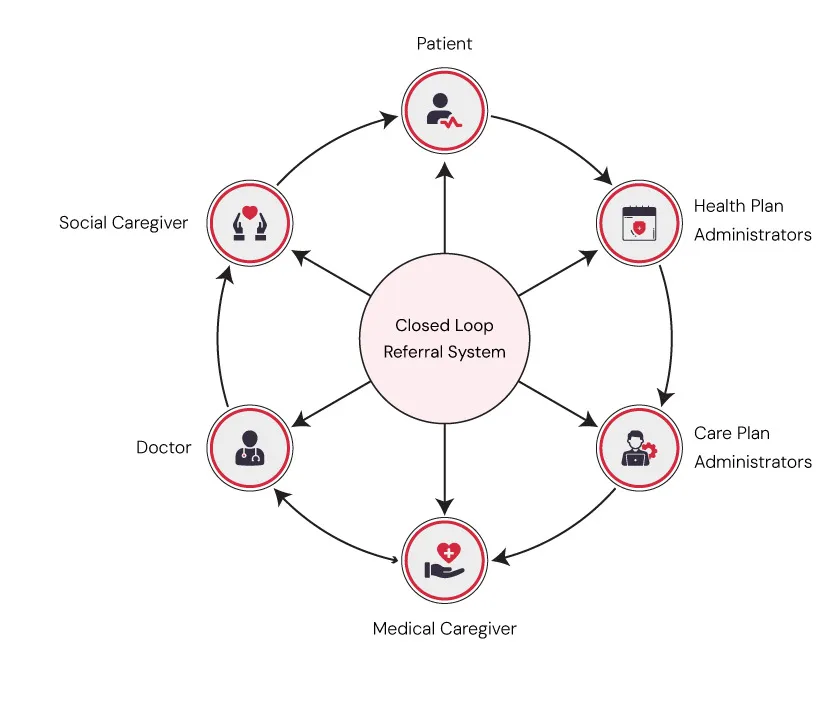

Healthcare and social care organizations often struggle with fragmented communication, delayed follow-ups, and disconnected service delivery processes. A modern approach is needed to ensure that every individual receives timely support while organizations maintain visibility throughout the entire care journey. A closed loop referral system provides a structured solution by creating a transparent connection between referral sources, service providers, and community members. Unlike traditional referral methods where requests can disappear after being sent, closed-loop technology enables continuous tracking, status updates, and meaningful collaboration. This innovative approach helps healthcare networks, nonprofits, and community organizations improve coordination, reduce gaps in care, and ensure that referrals successfully reach completion.
The Growing Need for Connected Referral Management
Modern healthcare extends beyond clinical treatment. Many individuals require assistance with social challenges such as transportation, housing support, food access, financial guidance, behavioral health services, and community resources. These social factors significantly influence overall health outcomes, making collaboration between healthcare providers and community organizations essential.
However, traditional referral processes often create challenges. Referrals may be transferred through emails, phone calls, spreadsheets, or disconnected platforms, making it difficult to determine whether a person actually received the required service. Healthcare teams may know that a referral was created but lack information about whether the individual connected with the appropriate organization.
A connected referral framework changes this process by allowing organizations to monitor every stage of the referral lifecycle. From initial identification of needs to successful service delivery, teams can maintain visibility and accountability while improving the overall experience for individuals seeking support.
How a Closed Loop Referral System Creates Better Outcomes
A closed-loop approach focuses on completing the entire referral journey rather than simply sending information from one organization to another. The system creates communication pathways that allow all authorized participants to collaborate effectively.
When a referral is initiated, relevant information can be securely shared with the appropriate service provider. The receiving organization can accept the request, provide updates, document progress, and communicate outcomes back to the referring team. This continuous exchange ensures that no individual is left without assistance.
For healthcare providers, this means improved awareness of community resource utilization. For nonprofit organizations, it creates better management of incoming requests and service capacity. For individuals and families, it provides confidence that their needs are being actively addressed.
Improving Care Coordination Across Healthcare and Community Organizations
Care coordination requires strong partnerships between multiple stakeholders. Hospitals, clinics, community-based organizations, government agencies, and social service providers often operate independently, creating challenges in communication.
A digital referral ecosystem helps bridge these gaps by creating a unified environment where organizations can work together. Instead of relying on manual follow-ups, teams can access real-time information about referral progress and service completion.
This coordinated approach supports:
- Faster connections between individuals and available resources
- Better communication between healthcare and social service teams
- Reduced duplication of efforts
- Improved tracking of community needs
- Stronger relationships between partner organizations
By strengthening collaboration, organizations can create more effective support networks that address both medical and social needs.
Enhancing Visibility Through Real-Time Referral Tracking
One of the biggest advantages of closed-loop technology is improved visibility. Traditional referral systems often provide limited information after a request has been submitted. Organizations may not know if a referral was received, accepted, completed, or declined.
A connected referral platform allows teams to monitor progress throughout the process. Notifications, updates, and reporting capabilities provide valuable insights into operational performance and individual outcomes.
This visibility helps organizations identify bottlenecks, improve response times, and understand where additional resources may be required. Leaders can analyze referral patterns, evaluate partnership effectiveness, and make informed decisions based on real-world data.
Supporting Social Determinants of Health Initiatives
Social determinants of health play a major role in shaping individual and community wellness. Factors such as education, income stability, access to transportation, and safe housing can directly affect health outcomes.
Organizations working to address these challenges need reliable systems that connect people with appropriate resources. A closed-loop referral approach supports these efforts by creating a bridge between healthcare providers and community organizations.
For example, a healthcare professional may identify that a patient requires food assistance or transportation support. Instead of providing a simple list of resources, the referral process can actively connect the individual with a trusted organization, track progress, and confirm whether assistance was received.
This approach moves organizations from passive resource sharing toward proactive care coordination.
Increasing Efficiency for Nonprofit and Community Organizations
Community organizations often manage high volumes of requests while operating with limited resources. Manual referral management can consume significant time and create administrative challenges.
Digital referral solutions help nonprofits streamline operations by organizing requests, improving communication, and reducing unnecessary paperwork. Teams can prioritize urgent cases, maintain accurate records, and coordinate services more effectively.
A centralized referral workflow also strengthens relationships between community partners. Organizations can understand each other's capabilities, manage expectations, and create smoother collaboration models.
By reducing operational complexity, nonprofits can focus more energy on delivering meaningful support to the communities they serve.
Data-Driven Insights for Better Community Planning
Successful community programs require accurate information about local needs and service outcomes. Referral data can reveal important patterns about challenges affecting specific populations.
A connected referral system enables organizations to analyze trends such as:
- Frequently requested services
- Common barriers faced by individuals
- Referral completion rates
- Community resource demand
- Partner organization performance
These insights allow healthcare leaders and community planners to design stronger programs and allocate resources more effectively.
Instead of making decisions based only on assumptions, organizations can use measurable information to improve strategies and expand successful initiatives.
Strengthening Security and Responsible Information Sharing
Healthcare and social service organizations handle sensitive personal information, making security a critical consideration. Effective referral management requires platforms designed with appropriate privacy controls and responsible data practices.
A secure referral environment ensures that information is shared only with authorized participants while maintaining transparency throughout the process. Organizations can collaborate confidently while protecting individual privacy.
Strong security measures help build trust among healthcare providers, community organizations, and the individuals receiving services.
The Future of Community Care Coordination
The future of healthcare depends on stronger connections between medical systems and community resources. As organizations continue adopting digital transformation strategies, referral management will become an essential component of coordinated care delivery.
Advanced referral platforms can support automation, improved communication, analytics, and better engagement between organizations. These capabilities allow communities to respond more effectively to complex challenges.
A connected ecosystem ensures that healthcare does not end when a clinical appointment is completed. Instead, it continues through partnerships that address the broader needs affecting people's lives.
Conclusion: Creating Complete Referral Journeys Through Technology
Disconnected referral processes can prevent individuals from receiving the support they need. Organizations require solutions that improve communication, strengthen partnerships, and create accountability throughout the service journey.
A closed-loop referral approach enables healthcare providers, nonprofits, and community organizations to work together more efficiently while ensuring referrals move from initiation to successful completion. By combining technology with collaborative care models, communities can build stronger networks that deliver meaningful and measurable outcomes.
As demand for integrated healthcare and social support continues to grow, adopting advanced referral management solutions will help organizations create more responsive, efficient, and human-centered systems for the future.



























Sign in to leave a comment.