

Healthcare today is shaped by speed, accuracy, and connectivity, and Electronic Health Records (EHRs) play a defining role in meeting these demands. As healthcare organizations strive to improve patient outcomes while managing growing data complexity, EHRs provide a structured, reliable, and intelligent way to capture and use health information. They are not simply digital files but powerful systems that support smarter decisions, safer care, and stronger collaboration across the healthcare continuum.

The Shift Toward Digitally Driven Healthcare
Historically, patient information was scattered across paper charts, folders, and disconnected systems. This fragmentation often caused delays, miscommunication, and clinical errors. The transition to digital records marked a crucial step forward, but EHRs pushed healthcare into a new era by enabling real-time access and long-term data continuity.
EHRs are designed to follow patients throughout their care journey, ensuring that every encounter adds value to a single, evolving health record. This shift has fundamentally changed how healthcare professionals deliver and coordinate care.
Building Blocks of a Modern EHR System
EHRs are comprehensive platforms made up of several essential components that work together seamlessly.
Unified Health Information
EHRs store complete patient data, including medical history, diagnoses, medications, allergies, lab results, and imaging reports. Having this information in one place reduces uncertainty and supports informed clinical decisions.
Efficient Clinical Documentation
Digital documentation tools allow clinicians to record encounters quickly and accurately. Structured templates, voice input, and standardized forms help maintain consistency while reducing administrative workload.
Electronic Orders and Results Management
Physicians can order prescriptions, lab tests, and imaging electronically, with results automatically linked to the patient’s record. This integration improves turnaround time and minimizes transcription errors.
Clinical Decision Support
EHRs offer intelligent alerts, reminders, and guidelines that help clinicians follow best practices, avoid medication conflicts, and address preventive care needs proactively.
Elevating Patient Safety and Care Quality
One of the most significant contributions of EHRs is their impact on patient safety. Automated checks for allergies, drug interactions, and abnormal results reduce the risk of preventable errors.
With accurate and up-to-date data readily available, clinicians can deliver consistent, evidence-based care. EHRs also support continuity of care, ensuring that every provider involved has access to the same reliable information.
Strengthening Communication and Care Coordination
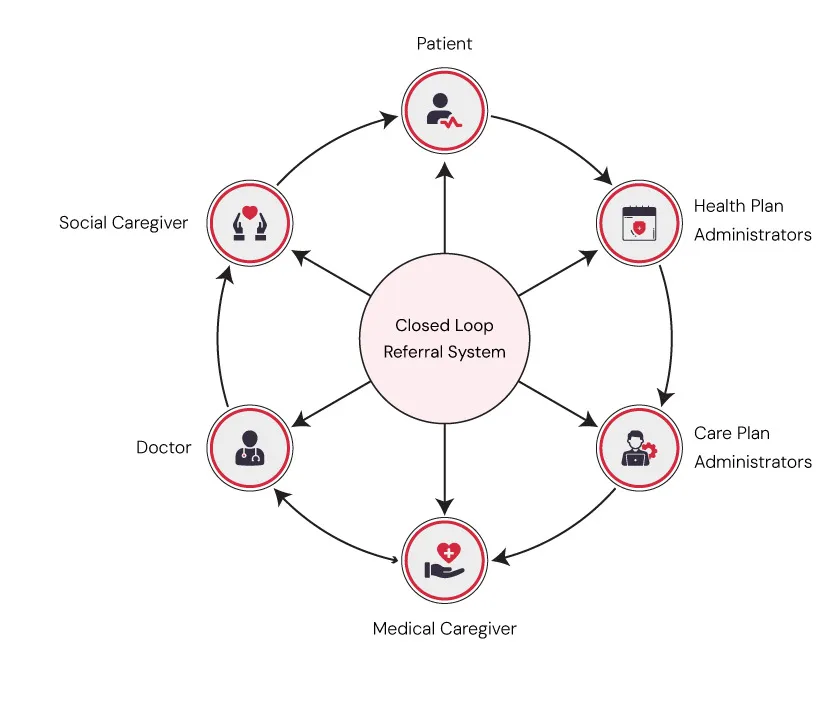
Healthcare delivery often involves multiple professionals across different locations. EHRs act as a shared communication platform, enabling seamless collaboration among primary care providers, specialists, hospitals, laboratories, and community organizations.
This connected approach ensures that care plans are aligned, referrals are informed, and transitions between care settings are smooth. Improved coordination leads to better patient experiences and outcomes.
Engaging Patients Through Digital Access
EHR systems increasingly include patient-facing tools that enhance engagement and transparency. Through secure portals, patients can review their medical information, check test results, schedule appointments, and communicate with care teams.
This access empowers patients to take ownership of their health. When individuals are informed and involved, they are more likely to adhere to treatment plans and participate actively in preventive care.
Enhancing Operational Efficiency in Healthcare Organizations
Beyond clinical advantages, EHRs significantly improve operational efficiency. Automated workflows reduce paperwork, streamline scheduling, and support accurate billing and coding.
Healthcare organizations benefit from faster reimbursements, reduced administrative costs, and improved resource management. These efficiencies allow staff to focus more on patient care rather than manual processes.
Data Security, Privacy, and Trust
Protecting patient information is a critical responsibility, and EHR systems are built with robust security measures. Encryption, access controls, authentication protocols, and audit trails ensure that sensitive data remains secure.
Compliance with healthcare regulations is integrated into EHR workflows, helping organizations maintain trust while meeting legal and ethical standards for data protection.
Supporting Population Health and Preventive Care
EHRs are powerful tools for population health management. By analyzing aggregated data, healthcare organizations can identify trends, monitor chronic conditions, and address health disparities.
These insights support preventive initiatives, early interventions, and targeted care strategies. As healthcare shifts toward outcome-based models, EHRs provide the data foundation needed to measure and improve performance.
Overcoming Challenges in EHR Implementation
While EHRs offer substantial benefits, implementation can be complex. Common challenges include upfront costs, staff training, workflow adjustments, and resistance to change.
Successful adoption requires thoughtful planning, leadership support, and continuous optimization. When organizations invest in training and user-centered design, EHRs become valuable long-term assets rather than burdens.
The Future Direction of Electronic Health Records
The evolution of EHRs is closely linked to emerging technologies. Artificial intelligence and predictive analytics will enhance decision support, automate routine tasks, and identify risks before they escalate.
Integration with telehealth platforms, wearable devices, and remote monitoring tools will extend EHR functionality beyond traditional care settings, enabling continuous and personalized healthcare delivery.
Understanding the Core of Digital Healthcare Transformation
To fully appreciate modern healthcare systems, it is essential to understand What is EHR and why it matters. EHRs serve as the digital foundation that connects people, data, and technology in healthcare. By enabling smarter workflows, safer care, and stronger patient engagement, EHRs continue to redefine how healthcare is delivered in an increasingly digital world.




























Sign in to leave a comment.