

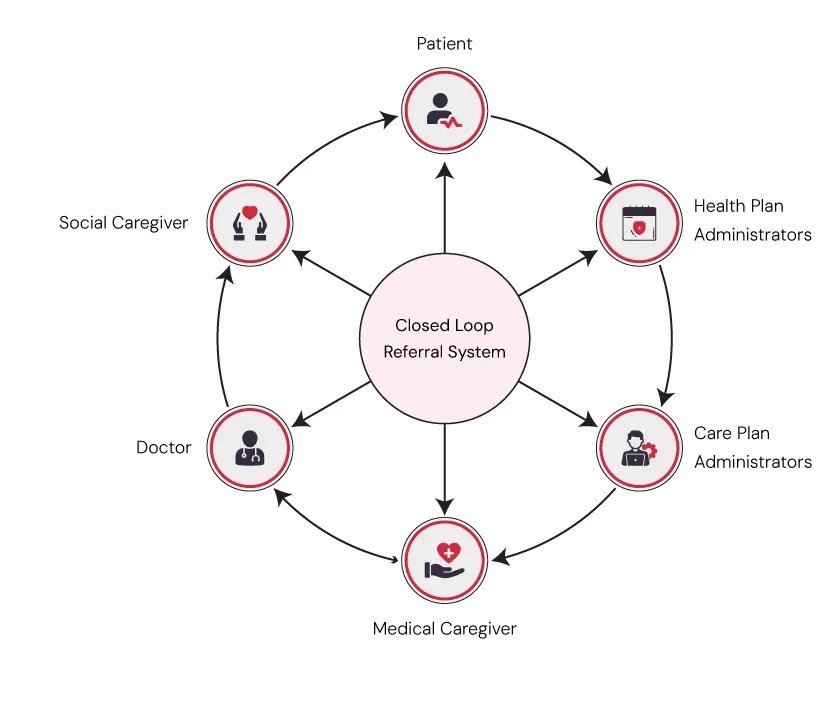
In today’s relationship-driven world, businesses are constantly searching for smarter ways to grow sustainably. One strategy that is gaining serious momentum is the Closed Loop Referral system. This powerful approach doesn’t just track referrals—it closes the feedback loop, ensuring every stakeholder stays informed, engaged, and motivated throughout the process.
But what exactly makes this system so effective? And why are modern organizations shifting toward it? Let’s dive deep into how it works, why it matters, and how you can leverage it to transform your growth strategy.
What Is a Closed Loop Referral System?
A Closed Loop Referral system is a structured process where referrals are tracked from start to finish, with continuous communication between all parties involved. Unlike traditional referral methods, where information often disappears after the handoff, this system ensures transparency and accountability at every step.
Key Characteristics
- End-to-end tracking of referrals
- Automated feedback to referrers
- Improved communication between teams
- Measurable outcomes and insights
This system ensures that no referral goes unnoticed or unacknowledged, creating a seamless experience for both customers and organizations.
Why Traditional Referral Systems Fall Short
Before understanding the benefits, it’s important to recognize the limitations of traditional referral systems.
1. Lack of Transparency
Most referral processes are one-sided. Once a referral is made, the referrer often has no idea what happens next.
2. Poor Follow-Up
Without proper tracking, leads can slip through the cracks, resulting in missed opportunities.
3. Limited Accountability
Teams may not feel responsible for referrals if there’s no structured system in place.
4. No Data Insights
Traditional systems rarely provide actionable data, making it hard to improve performance.
These gaps are exactly what the Closed Loop Referral system addresses.
How Closed Loop Referral Works
A Closed Loop Referral system operates through a well-defined cycle that ensures every step is monitored and optimized.
Step 1: Referral Submission
A stakeholder (employee, partner, or customer) submits a referral through a centralized platform.
Step 2: Assignment and Tracking
The referral is assigned to the appropriate team or individual for follow-up.
Step 3: Progress Updates
Regular updates are shared with the referrer, ensuring transparency.
Step 4: Outcome Reporting
Once the referral is processed, the outcome is recorded and communicated.
Step 5: Feedback Loop
Insights are collected to improve future referral strategies.
This continuous loop ensures that every referral contributes to learning and growth.
Benefits of Closed Loop Referral Systems
1. Increased Trust and Engagement
When referrers receive updates, they feel valued and are more likely to participate again.
2. Higher Conversion Rates
With proper tracking and follow-up, referrals are more likely to convert into successful outcomes.
3. Better Collaboration
Teams work more efficiently when they have access to shared data and clear responsibilities.
4. Data-Driven Decisions
Organizations can analyze referral performance and optimize strategies accordingly.
5. Enhanced Customer Experience
A structured process ensures that referred individuals receive timely and professional responses.
Closed Loop Referral vs Open Loop Referral
| Feature | Closed Loop Referral | Open Loop Referral |
| Feedback | Continuous | Limited or none |
| Tracking | End-to-end | Partial |
| Transparency | High | Low |
| Engagement | Strong | Weak |
| Results | Measurable | Uncertain |
This comparison clearly highlights why businesses are transitioning to closed-loop systems.
Industries That Benefit the Most
Closed Loop Referral systems are versatile and can be applied across various industries.
1. Nonprofits
Track donor referrals and volunteer engagement more effectively.
2. Healthcare
Ensure patient referrals are followed through with proper communication.
3. Corporate Organizations
Improve employee referral programs for hiring.
4. Financial Services
Enhance client referrals and relationship management.
5. Community Networks
Strengthen connections and improve service delivery.
Key Features to Look for in a Closed Loop Referral System
When implementing a system, consider the following features:
Automation
Automated workflows reduce manual effort and improve efficiency.
Real-Time Tracking
Monitor referrals as they progress through the system.
Communication Tools
Enable seamless updates between stakeholders.
Analytics Dashboard
Gain insights into performance metrics and trends.
Integration Capabilities
Ensure compatibility with existing tools and platforms.
Common Challenges and How to Overcome Them
1. Resistance to Change
Teams may be hesitant to adopt new systems.
Solution: Provide training and highlight the benefits.
2. Data Management Issues
Handling large volumes of data can be overwhelming.
Solution: Use advanced software with robust data management features.
3. Lack of Clear Processes
Without defined workflows, the system may fail.
Solution: Establish clear guidelines and responsibilities.
4. Limited Engagement
Stakeholders may not actively participate.
Solution: Incentivize referrals and provide regular feedback.
Best Practices for Implementing Closed Loop Referral
Define Clear Objectives
Set measurable goals for your referral program.
Train Your Team
Ensure everyone understands how the system works.
Leverage Technology
Use specialized platforms to streamline processes.
Monitor Performance
Regularly review data and adjust strategies.
Encourage Feedback
Continuously improve based on stakeholder input.
How Technology Powers Closed Loop Referral Systems
Modern technology plays a crucial role in making these systems effective.
CRM Integration
Centralizes customer data and referral tracking.
Automation Tools
Streamline workflows and reduce manual tasks.
AI and Analytics
Provide insights and predict trends.
Cloud-Based Platforms
Ensure accessibility and scalability.
The Future of Closed Loop Referral Systems
The future looks promising as more organizations recognize the value of structured referral systems.
Increased Adoption
Businesses across industries are embracing this approach.
Advanced Analytics
AI-driven insights will further enhance decision-making.
Greater Personalization
Tailored experiences will improve engagement.
Integration with Emerging Technologies
Blockchain and IoT may further enhance transparency and efficiency.
FAQs About Closed Loop Referral
1. What is a Closed Loop Referral system?
It’s a system that tracks referrals from start to finish while providing continuous feedback to all parties involved.
2. Why is it important?
It improves transparency, accountability, and overall success rates of referrals.
3. How does it differ from traditional referrals?
Traditional systems lack feedback and tracking, while closed-loop systems ensure full visibility.
4. Can small businesses use it?
Yes, it’s scalable and can be adapted to organizations of all sizes.
5. What tools are needed?
CRM systems, automation tools, and analytics platforms are commonly used.
6. How can I improve my referral program?
Focus on communication, tracking, and continuous improvement through feedback.
Conclusion
The Closed Loop Referral system is more than just a process—it’s a strategic advantage. By ensuring transparency, accountability, and continuous improvement, it transforms how organizations handle referrals.
Whether you’re a nonprofit, a corporate entity, or a growing startup, adopting this approach can significantly enhance your operations and relationships. As technology continues to evolve, the potential of Closed Loop Referral systems will only grow, making them an essential tool for modern businesses.



























Sign in to leave a comment.