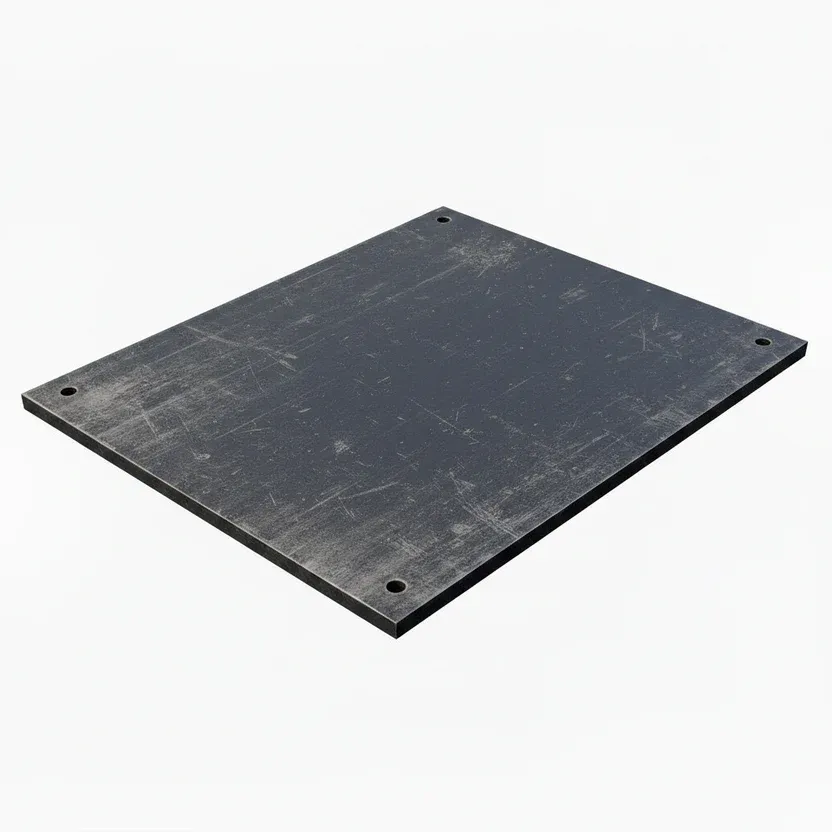

Steel road plates are an essential part of modern construction, civil engineering, and infrastructure maintenance. They provide a strong, temporary surface that allows vehicles and pedestrians to safely cross open trenches, excavation zones, or damaged road sections. Without them, many construction projects would face serious safety risks, traffic disruptions, and delays.
In today’s fast-growing urban environments, maintaining accessibility while carrying out underground work is a major challenge. Steel road plates offer a practical and reliable solution that balances safety, durability, and efficiency.
This article explores what steel road plates are, how they are used, their benefits, and why they remain a critical component in construction and infrastructure projects.
What Are Steel Road Plates?
Steel road plates are heavy-duty flat sheets made from high-strength steel. They are designed to temporarily cover holes, trenches, or uneven ground surfaces created during construction or maintenance work.
Their primary purpose is to create a stable and safe surface over open excavations, allowing uninterrupted movement of vehicles and pedestrians. These plates are engineered to handle high loads, including cars, trucks, cranes, and other heavy machinery.
Because of their strength and reliability, steel road plates are widely used in roadworks, utility installations, emergency repairs, and construction sites.
How Steel Road Plates Are Used
Steel road plates are extremely versatile and are used across various industries and environments. Their ability to provide temporary yet strong coverage makes them indispensable in many situations.
1. Road Construction Projects
During road upgrades or resurfacing work, sections of roads are often excavated. Steel plates allow traffic to continue flowing while construction is in progress underneath.
2. Utility and Pipeline Work
Underground utilities such as water pipes, gas lines, and electrical cables often require excavation for maintenance or installation. Steel road plates safely cover these trenches and ensure access remains open.
3. Emergency Repairs
In emergency situations like road collapses or burst pipelines, steel plates are quickly installed to restore safe access while permanent repairs are planned.
4. Construction Sites
Large construction projects often involve heavy machinery and constant movement of materials. Steel plates provide stable temporary access paths for equipment and vehicles.
5. Industrial Areas
Factories, warehouses, and ports use steel plates to manage movement across uneven or unfinished ground surfaces.
Key Benefits of Steel Road Plates
Steel road plates offer several important advantages that make them a preferred choice in construction and infrastructure management.
1. High Strength and Load-Bearing Capacity
One of the most important benefits is their ability to withstand extremely heavy loads. They are designed to support everything from passenger vehicles to fully loaded trucks and construction machinery.
2. Enhanced Safety
Safety is a top priority in any construction zone. Steel road plates cover dangerous open trenches and prevent accidents involving workers, pedestrians, or drivers.
3. Uninterrupted Traffic Flow
Instead of closing roads completely, steel plates allow vehicles to pass safely over work areas. This helps reduce traffic congestion and keeps daily movement uninterrupted.
4. Durability and Long-Term Use
Steel is highly durable and resistant to wear and tear. Road plates can be reused multiple times across different projects without losing structural integrity.
5. Cost Efficiency
Although steel plates require an initial investment, their re usability makes them cost-effective over time. They reduce the need for repeated temporary road-building solutions.
6. Quick Installation
Steel road plates can be installed and removed relatively quickly using proper equipment, saving valuable time during construction or repair work.
7. Protection of Underground Structures
They distribute weight evenly across the surface, reducing stress on underground pipes, cables, and other infrastructure.
Why Steel Road Plates Are Important in Modern Construction
As cities expand and infrastructure becomes more complex, construction activity is increasing in both urban and rural areas. However, closing roads completely during work is not always practical.
Steel road plates solve this issue by allowing construction to continue without fully blocking access routes. This is especially important in busy cities where traffic disruptions can lead to economic losses and public inconvenience.
They also improve site safety by minimising open exposure of excavations. In high-traffic areas, even a short-term trench can be dangerous if not properly covered. Steel road plates eliminate this risk effectively.
Types of Situations Where They Are Essential
Steel road plates are not limited to one type of project. They are essential in a wide variety of scenarios, including:
- Urban road maintenance
- Highway upgrades
- Underground utility installation
- Construction site access management
- Industrial ground reinforcement
- Temporary bridge or crossing solutions
Their adaptability makes them a universal tool in infrastructure management.
What Makes a Good Steel Road Plate?
Not all steel road plates are the same. High-quality plates are designed with specific features to ensure safety and performance.
Important qualities include:
- High load-bearing strength
- Proper thickness for durability
- Slip-resistant surface for safety
- Resistance to bending or warping
- Easy handling and placement design
Choosing well-manufactured plates is essential for ensuring safety and long-term usability on-site.
Conclusion
Steel road plates are a vital solution in modern construction and infrastructure projects. They provide a safe, durable, and efficient way to maintain access over excavated or damaged ground surfaces.
From roadworks to emergency repairs, their ability to support heavy loads while ensuring safety makes them indispensable. They help reduce traffic disruption, protect underground utilities, and improve overall project efficiency.
As construction demands continue to grow, steel road plates will remain a key component in ensuring that infrastructure development is both safe and practical.

























Sign in to leave a comment.