

When temperatures drop and frost settles on morning trails, the biggest challenge for outdoor fitness enthusiasts isn't motivation—it's finding gear that keeps you warm without restricting movement. Traditional winter layers often feel bulky, trap sweat, and limit the range of motion you need for a solid run or a steep climb. Enter fleece-lined yoga leggings, a hybrid solution that's gaining traction among joggers and hikers who refuse to let cold weather sideline their routines. These versatile bottoms promise the warmth of thermal wear with the flexibility of performance activewear, but are they truly up to the task? This article explores whether fleece-lined yoga leggings can serve as reliable cold weather gear for winter jogging and hiking. We'll break down their construction, examine the benefits they offer active users, compare them against other options, and provide practical guidance for choosing the right pair based on your specific activity needs.
What Are Fleece-Lined Yoga Leggings? Understanding the Basics
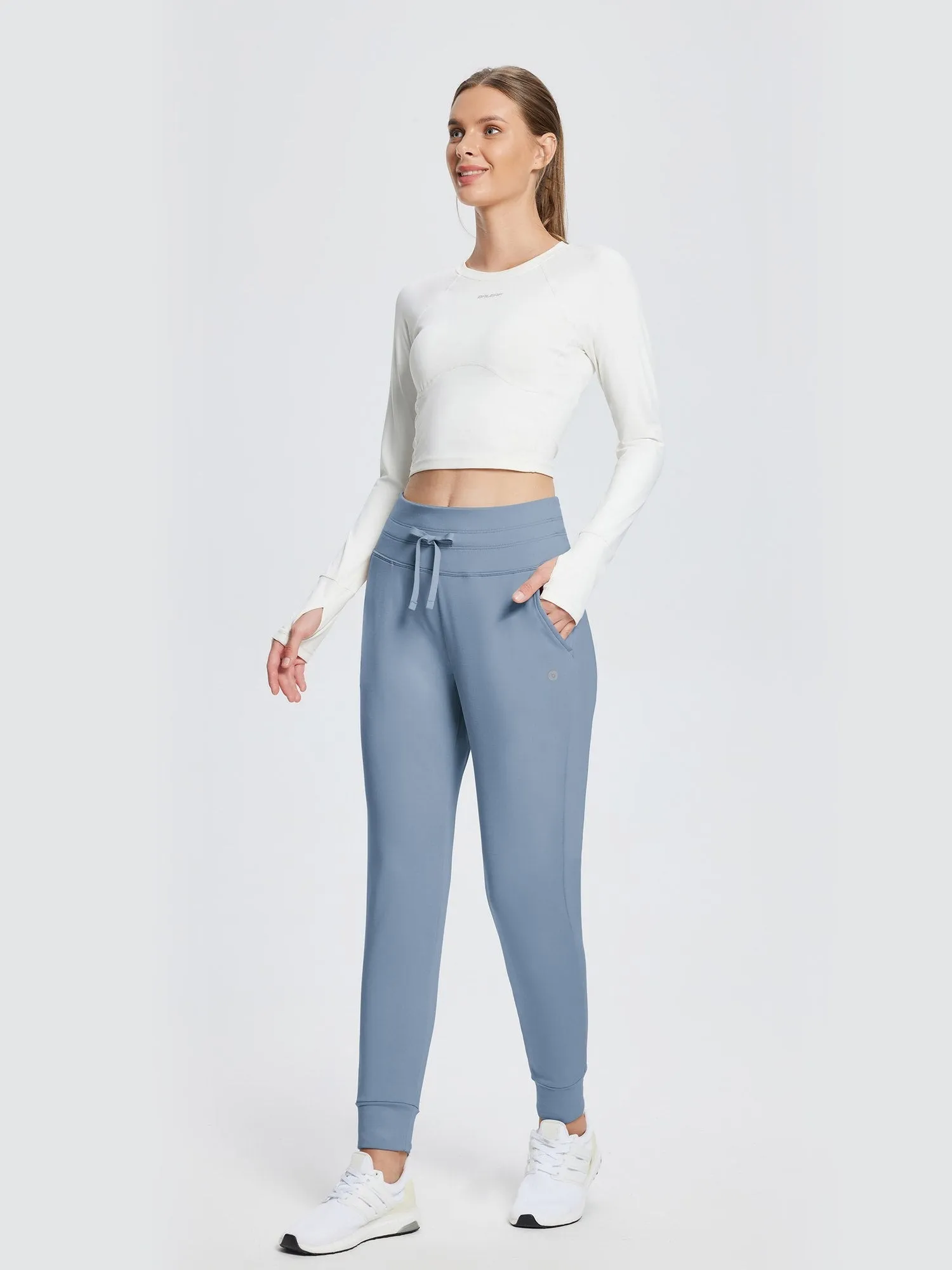
Fleece-lined yoga leggings are performance bottoms that combine a smooth, compressive outer shell with a soft brushed fleece interior. The outer layer typically consists of a polyester-spandex blend—usually around 80-90% polyester for durability and 10-20% spandex for stretch—while the inner fleece provides a plush thermal barrier against cold skin. Unlike standard yoga leggings, which rely on a single thin layer of fabric, fleece-lined versions incorporate that insulating interior without significantly increasing thickness or weight. This construction sets them apart from bulkier cold weather gear like insulated ski pants or layered thermal tights, which often sacrifice mobility for warmth. They also differ from basic fleece joggers, which lack the body-hugging compression and four-way stretch that active movement demands. Fleece-lined yoga leggings essentially sit at the intersection of thermal underwear and athletic tights—engineered to retain body heat while maintaining the sleek, flexible profile that runners and hikers need for unrestricted strides and dynamic leg movement on winter terrain.
Benefits of Fleece-Lined Leggings for Cold Weather Activities
Warmth and Comfort in Low Temperatures
The primary draw of fleece-lined leggings is their ability to trap body heat efficiently without adding the bulk that makes winter exercise feel cumbersome. The brushed fleece interior creates thousands of tiny air pockets that act as insulation, holding warmth close to your skin even when wind chill cuts through exposed trails. This thermal efficiency means you can step outside on a 25°F morning and feel comfortable within minutes of warming up, rather than spending half your workout shivering through inadequate layers. The fleece also provides a soft-touch comfort against skin that eliminates the itchy, stiff feeling common with traditional thermal underwear. For cold weather gear that needs to perform from the first stride to the last, this combination of immediate warmth and sustained comfort makes a meaningful difference during extended outdoor sessions.
Performance Features for Active Use
Beyond warmth, fleece-lined yoga leggings deliver performance characteristics that matter when you're moving dynamically in winter conditions. The four-way stretch construction allows full range of motion through your hips, knees, and ankles—critical for maintaining proper running form or navigating uneven terrain on a hike. Most quality pairs incorporate moisture-wicking technology in both layers, pulling sweat away from skin to prevent that cold, clammy sensation that develops when perspiration gets trapped against your body. This breathability prevents overheating during high-intensity intervals while still retaining enough warmth during rest breaks or slower sections. Durability is another key advantage; the polyester-dominant outer shell resists abrasion from branches, rocks, and repeated washing cycles far better than cotton-based alternatives. These exercise pants maintain their shape and compression over months of regular use, meaning the fit stays supportive rather than sagging at the knees after a few wears.
Meeting the Needs of Fitness Enthusiasts: Casual Joggers and Hikers
For Winter Jogging: Lightweight and Warm Solutions
Casual joggers face a specific dilemma in winter: too much clothing restricts your gait and causes overheating mid-run, while too little leaves you exposed during warm-ups and cooldowns. Fleece-lined yoga leggings solve this by functioning as exercise pants that weigh barely more than standard tights yet deliver meaningful thermal protection. Their slim profile eliminates fabric bunching behind the knees or around the ankles—a common frustration with layered systems that disrupts running mechanics over longer distances. For joggers who run three to four times per week in temperatures between 20°F and 40°F, a single pair of quality fleece-lined leggings often replaces the need for a base layer plus outer tight combination. The key is selecting a pair with moderate fleece density rather than the thickest option available; this ensures your legs stay warm during the first mile without becoming a sweat trap by mile three. Temperature regulation becomes almost automatic because the moisture-wicking outer shell releases excess heat while the fleece maintains a consistent warmth baseline, letting you focus on pace and form rather than constantly adjusting layers.
For Hiking and Outdoor Apparel: Versatility in Action
Hikers need outdoor apparel that handles variable conditions—steep climbs that generate intense body heat followed by exposed ridgelines where wind strips warmth away quickly. Fleece-lined yoga leggings accommodate these shifts better than rigid insulated pants because their stretch construction moves with your body through scrambles, high steps over logs, and extended descents that demand deep knee flexion. Their compatibility with layering systems adds practical value on longer hikes; you can wear them as a standalone bottom on moderate cold days or layer wind-resistant shell pants over them when conditions turn harsh above treeline. The compressive fit also prevents the leggings from riding up under additional layers, maintaining comfort throughout a full day on the trail. When selecting fleece-lined leggings specifically for hiking, prioritize pairs with reinforced fabric in high-abrasion zones like the inner thigh and seat, and look for a high-rise waistband that stays in place under a backpack's hip belt. This ensures your gear works with you across terrain changes rather than becoming something you constantly need to adjust mid-hike.
How to Choose the Right Fleece-Lined Yoga Leggings: A Step-by-Step Guide
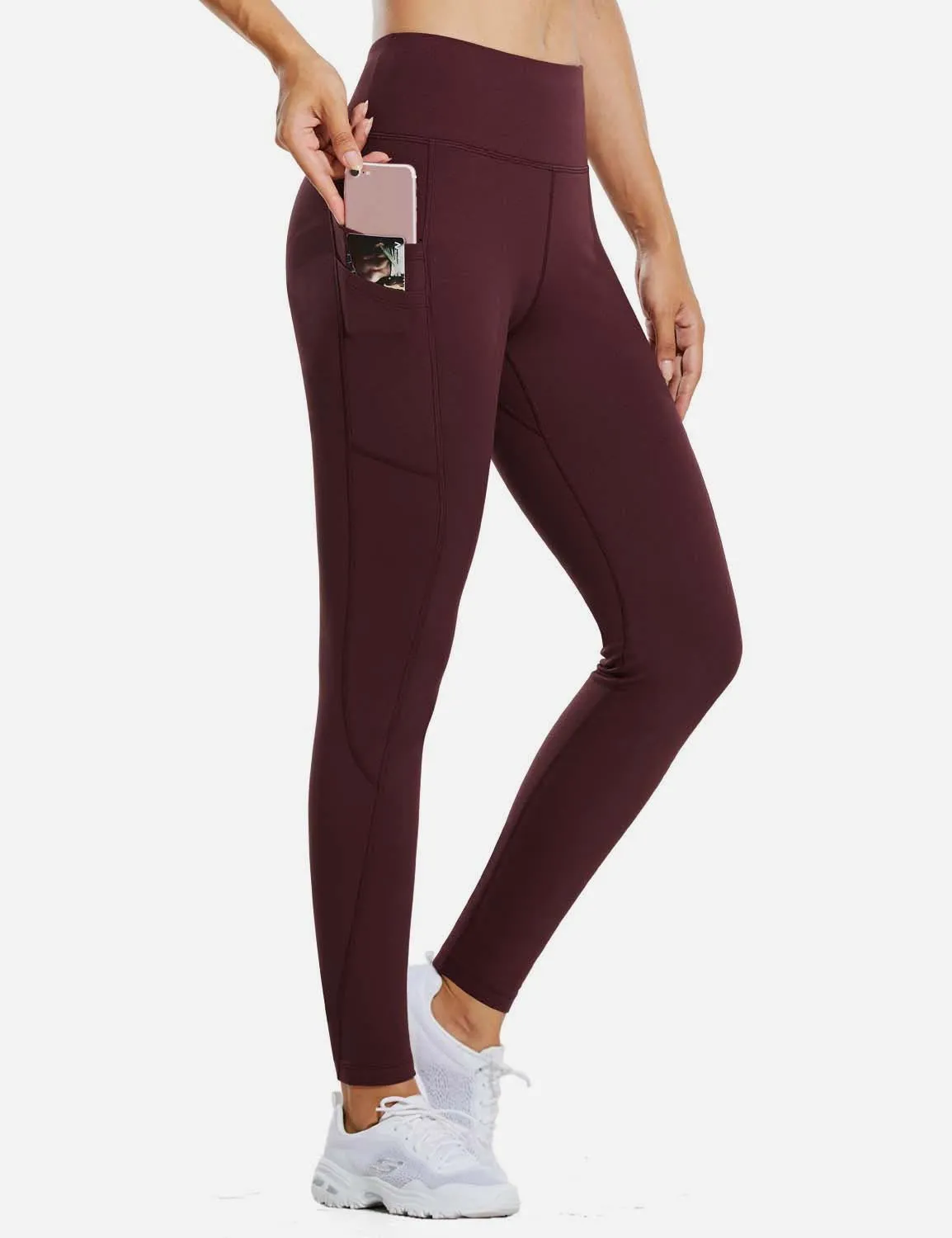
Finding the right pair starts with identifying your primary activity and typical weather conditions. First, assess the fleece weight—medium-density fleece works best for joggers who generate significant body heat, while hikers who encounter extended stationary periods at summits or rest stops may prefer a heavier brushed interior. Second, check the fabric composition; aim for at least 15% spandex content to ensure the four-way stretch holds up through repetitive motion without losing recovery over time. Third, evaluate the waistband design—a wide, high-rise waistband with an internal drawcord prevents slipping during runs and sits comfortably under a pack's hip belt during hikes. Fourth, examine seam construction; flatlock seams reduce chafing on long outings where repetitive leg movement would otherwise create friction points. Fifth, look for functional details that match your needs: a hidden waistband pocket for keys during jogs, or reinforced panels at the knees and inner thighs for trail durability. Finally, test the fit by performing deep squats and high knee lifts before committing—the fabric should remain opaque when stretched and return to shape immediately. Brands like Baleaf Sports that specify their fleece-lined leggings are designed for active use rather than casual lounging tend to offer better moisture management and compression levels, which differ significantly between those categories.
Comparing Fleece-Lined Leggings with Other Cold Weather Gear
Traditional sweatpants offer warmth but lack compression and tend to absorb moisture, leaving you with heavy, soggy fabric clinging to your legs mid-run. Thermal base layers provide excellent insulation yet require an outer shell for wind protection and abrasion resistance, adding complexity and cost to your cold weather gear setup. Standard exercise pants made from thin wicking material handle sweat well but offer virtually no thermal protection below 40°F, forcing you into bulky layering combinations. Insulated hiking pants deliver durability and wind resistance but restrict movement through the hips and knees, making them poorly suited for jogging or dynamic trail movement. Fleece-lined leggings occupy a unique middle ground—they combine the thermal retention of dedicated cold weather gear with the stretch and moisture management of athletic tights in a single garment. The tradeoff is that they won't match the wind-blocking capability of hardshell pants in extreme conditions or the breathability of ultralight running tights on warmer days. For most winter joggers and hikers operating in temperatures between 15°F and 45°F, however, fleece-lined yoga leggings deliver the best balance of warmth, mobility, and practicality without requiring multiple layers or specialized pieces.
Why Fleece-Lined Yoga Leggings Deserve a Spot in Your Winter Gear Rotation
Fleece-lined yoga leggings prove themselves as a genuinely practical choice for winter jogging and hiking, striking a balance that few other single garments achieve. They deliver reliable thermal insulation through their brushed fleece interior while maintaining the stretch, compression, and moisture-wicking performance that active movement demands in cold conditions. For casual joggers, they eliminate the frustration of bulky layering systems and allow natural running mechanics from the first stride. For hikers, they offer the versatility to handle shifting intensities and terrain changes without constant gear adjustments. While they won't replace hardshell pants in extreme wind or sub-zero expeditions, they cover the vast majority of winter fitness scenarios that most outdoor enthusiasts encounter regularly. The key is selecting a pair matched to your activity level—moderate fleece weight for runners, heavier insulation for hikers who face more stationary moments—and prioritizing quality construction details like flatlock seams, adequate spandex content, and reinforced high-wear zones. If cold weather has been keeping you indoors or forcing you into uncomfortable layering compromises, a well-chosen pair of fleece-lined yoga leggings deserves a spot in your winter rotation. They represent exactly the kind of functional crossover gear that makes staying active through the colder months feel less like a battle and more like a choice you're happy to make.





























Sign in to leave a comment.