
In today’s healthcare landscape, SDOH (Social Determinants of Health) has become a cornerstone of patient-centered care. These determinants—ranging from housing stability and education to income level and social support—play a decisive role in shaping health outcomes far beyond clinical interventions. Yet, despite their significance, many healthcare providers still face challenges integrating SDOH into routine care workflows. Manual screening, data entry, and follow-up processes often leave gaps that impact patient well-being and hinder progress toward value-based care goals.
Recognizing this gap, technology-driven solutions are reshaping the future of healthcare delivery. Automated tools now make it possible for clinics to streamline SDOH processes—collecting, analyzing, and acting on social data with unprecedented efficiency. This innovation not only enhances patient care but also strengthens healthcare systems, making them more responsive, equitable, and proactive.
Understanding the Power of SDOH in Modern Care
The concept of SDOH extends far beyond medical checkups or prescriptions. It encompasses all external factors—social, environmental, and economic—that influence a person’s health trajectory. According to the World Health Organization, these factors account for nearly 50% of health outcomes, while medical care contributes less than 20%. In essence, where a person lives, works, and learns has a greater impact on their health than what happens inside a hospital.
However, identifying and addressing these determinants in real time remains a complex task. Many healthcare organizations rely on manual data collection, which often leads to inconsistencies and incomplete records. This not only limits insights into patient needs but also prevents healthcare teams from acting swiftly when risks arise. Enter automation—a game-changer in bridging this long-standing gap.
Why Automation is Revolutionizing SDOH Management
Automation has emerged as a critical innovation for healthcare providers aiming to achieve comprehensive, data-driven care. By digitizing and standardizing SDOH processes, automation minimizes manual workload, enhances data accuracy, and ensures no patient falls through the cracks.
Key reasons why automation matters:
- Efficiency in Data Collection: Digital screening tools gather information through text messages, patient portals, or tablets before appointments, ensuring care teams have structured, actionable insights from the start.
- Consistency Across Populations: Automated workflows ensure every patient is screened equally, eliminating human bias and error.
- Real-Time Referral Tracking: Clinics can monitor every stage of a patient’s referral—from initiation to completion—ensuring timely interventions.
- Data Integration and Reporting: Automation enables seamless integration with EHR systems, facilitating compliance reporting and population health analysis.
- Scalability: As patient populations grow, automated systems can handle larger data volumes without increasing administrative burden.
These capabilities help healthcare providers move from reactive to proactive care, ensuring patients receive timely support and follow-up for social needs such as housing, food security, and transportation.
Inside the Automated SDOH Workflow
An effective automated SDOH system consists of multiple interlinked processes designed to identify, address, and resolve social risk factors efficiently:
- Automated Screening: Patients complete online or mobile-friendly questionnaires, which are automatically scored to highlight potential risk areas.
- Risk Scoring: The system evaluates social risks—like unstable housing or unemployment—and assigns priority levels to guide clinical action.
- Referral Automation: Based on identified risks, patients are automatically matched with relevant community resources (e.g., food banks, transport programs).
- Follow-Up & Loop Closure: Automated reminders and progress tracking ensure referrals are completed, not just sent.
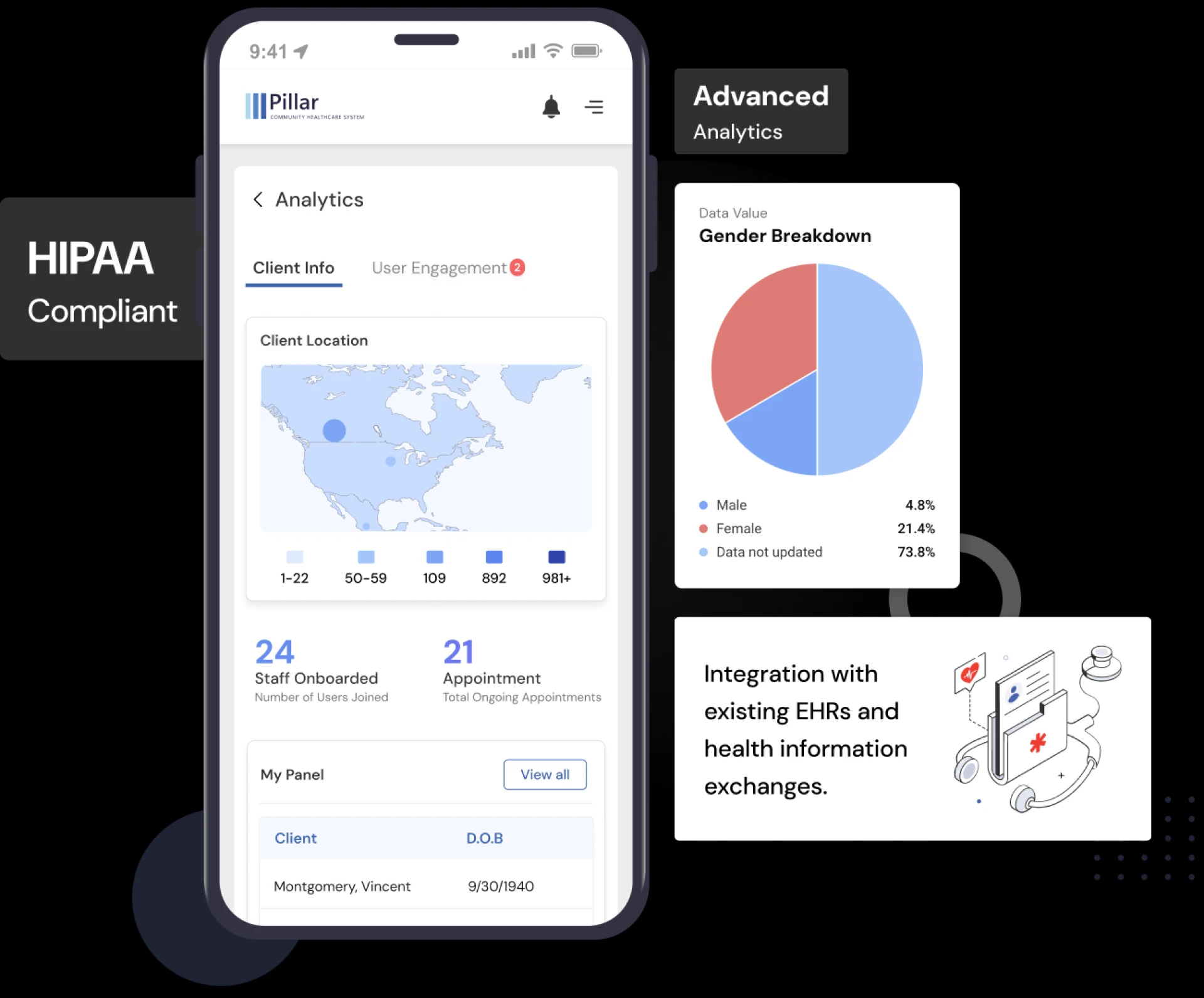
- Data Reporting: Comprehensive dashboards generate insights for value-based care metrics and grant compliance.
Through this interconnected system, healthcare teams gain a real-time, holistic view of each patient’s social landscape, improving care coordination and accountability.
Real-World Impact: From Burden to Breakthrough
Consider a primary care clinic managing a high volume of patients under Medicaid. Previously, staff members spent hours screening individuals manually, typing notes into the EHR, and following up with community partners by phone. Despite best efforts, many referrals went untracked, leading to fragmented care.
After implementing an automated SDOH platform, the clinic experienced:
- 70% reduction in manual administrative work
- Increased referral completion rates through digital tracking
- Enhanced patient satisfaction due to faster, smoother care pathways
- Better insights into community needs via structured, aggregated data
Ultimately, the clinic improved both patient outcomes and reimbursement performance under value-based programs—a win-win for all stakeholders.
Building a Future-Ready SDOH Ecosystem
To fully leverage automation, clinics should choose solutions with robust capabilities, including:
| Feature | Why It Matters | Ideal Functionality |
| Integrated Digital Screening | Ensures all patients are evaluated consistently | Mobile-friendly, adaptive questionnaires |
| Real-Time Referral Tracking | Provides visibility into patient journeys | Live status updates and alerts |
| Seamless EHR Integration | Prevents data duplication and errors | FHIR-based API connections |
| Closed-Loop Communication | Ensures outcomes are documented | Automated reminders and loop-closure |
| Compliance Reporting | Meets CMS and audit requirements | Exportable dashboards and logs |
| Partner Network Integration | Connects care with community | Verified, capacity-based routing |
These features not only modernize care workflows but also foster stronger partnerships between healthcare organizations and community providers.
The Human Touch in Automated Care
While automation enhances efficiency, it’s essential to remember that SDOH efforts are ultimately human-centered. Technology should empower—not replace—empathy-driven care. The best systems amplify human connection by freeing clinicians from administrative overload and allowing them to focus on patient relationships.
Automated reminders, digital screening tools, and real-time dashboards are enablers that support clinicians in understanding patients’ lives beyond the clinic walls. By combining automation with compassion, healthcare becomes more personal, effective, and inclusive.
The Future: A New Era of Connected Health
Healthcare is rapidly transitioning toward a value-based model, where success depends on outcomes rather than volume. In this paradigm, addressing SDOH is not optional—it’s fundamental. Automation will continue to drive this transformation, empowering providers to act swiftly on social needs and reduce disparities.
The integration of SDOH Automation tools allows clinics to manage data at scale, close referral loops efficiently, and deliver comprehensive, equitable care to every patient. This future-ready approach ensures healthcare systems are not just treating illness but building healthier communities—one automated workflow at a time.
























Sign in to leave a comment.