
Every home, business, and factory relies on safe electrical equipment to operate. The number of accidents caused by short circuits, overloaded circuits, or electrical system failures is increasing every day due to the increase in the number of computers and electronics being added to these locations.
One of the most common devices used to protect the electrical systems of residential homes, commercial businesses, and industrial sites is the cylindrical fuse. Cylindrical fuses have been around for many years, but they provide the easiest and most cost-effective way to protect the system from potential hazards.
Although small in size, cylindrical fuses can be extremely important for preventing damage to electrical equipment, possible fire hazards, and providing a safe environment for people and property.
In the article that follows, we will discuss the significance of cylindrical fuses in providing for electrical safety, the methods of operation, typical applications of this type of device, and a comparison between cylindrical fuses and some of the other devices available for electrical protection, such as HRC fuses.
Additionally, we will cover how the fuse holder and fuse can work together to create a reliable and safe electrical protection system.
Understanding the Cylindrical Fuse
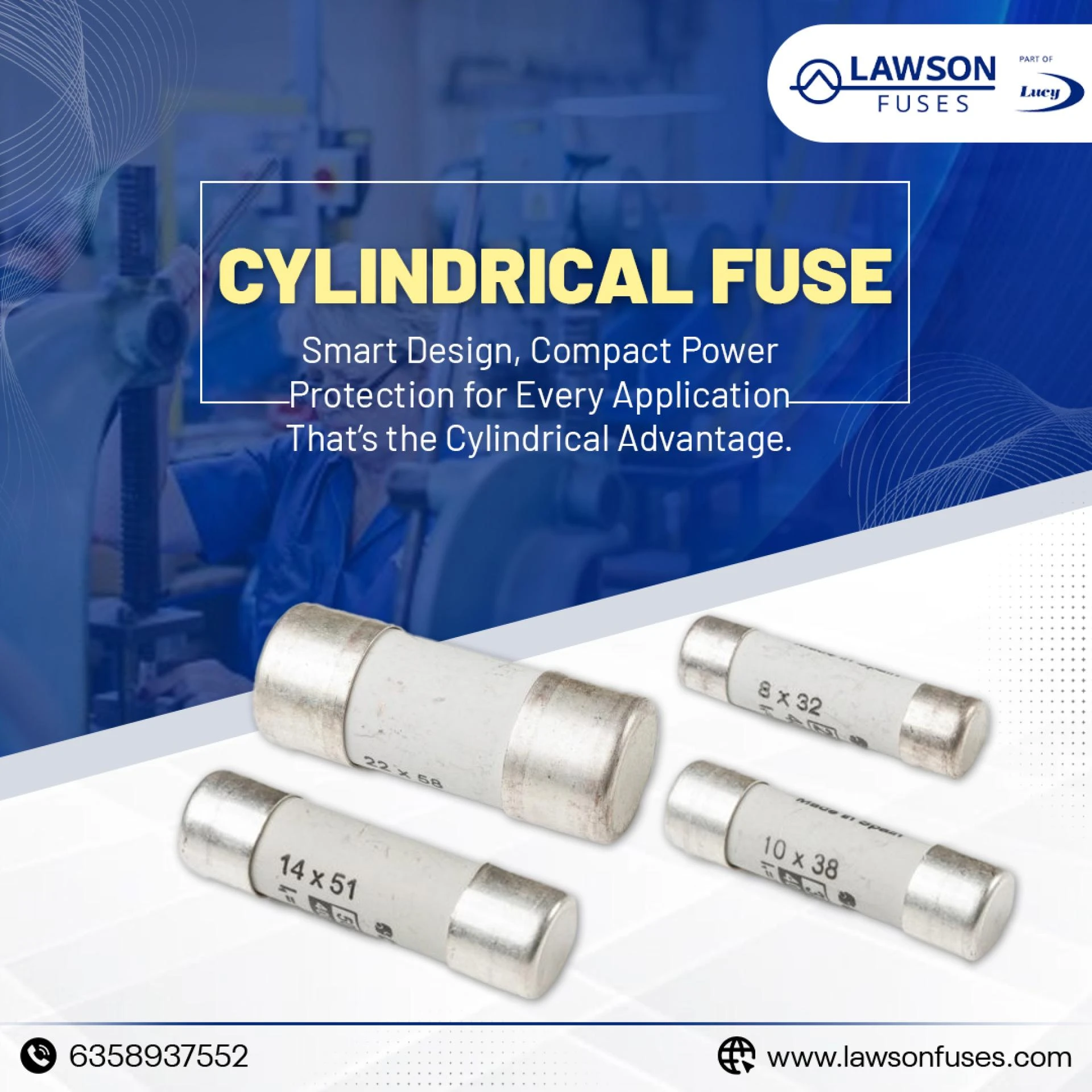
A cylindrical fuse is a type of electrical safety device designed to protect circuits from excessive current flow. It consists of a fuse element enclosed in a cylindrical body made of glass or ceramic. When the current exceeds the rated value, the fuse element melts, breaking the circuit and stopping the flow of electricity.
Cylindrical fuses are widely used due to their simple construction, reliable operation, and ease of replacement. They are commonly installed in control panels, industrial machinery, household appliances, and power distribution systems.
How Cylindrical Fuses Enhance Electrical Safety
The primary purpose of a cylindrical fuse is to protect electrical circuits from damage caused by overloads and short circuits. By interrupting excessive current flow, cylindrical fuses prevent overheating of wires, components, and connected equipment.
This immediate response significantly reduces:
- The risk of electrical fires
- Damage to costly electrical devices
- Electrical shock hazards
- System downtime in industrial environments
When used correctly with an appropriate Fuse and Holder, cylindrical fuses provide consistent and dependable circuit protection.
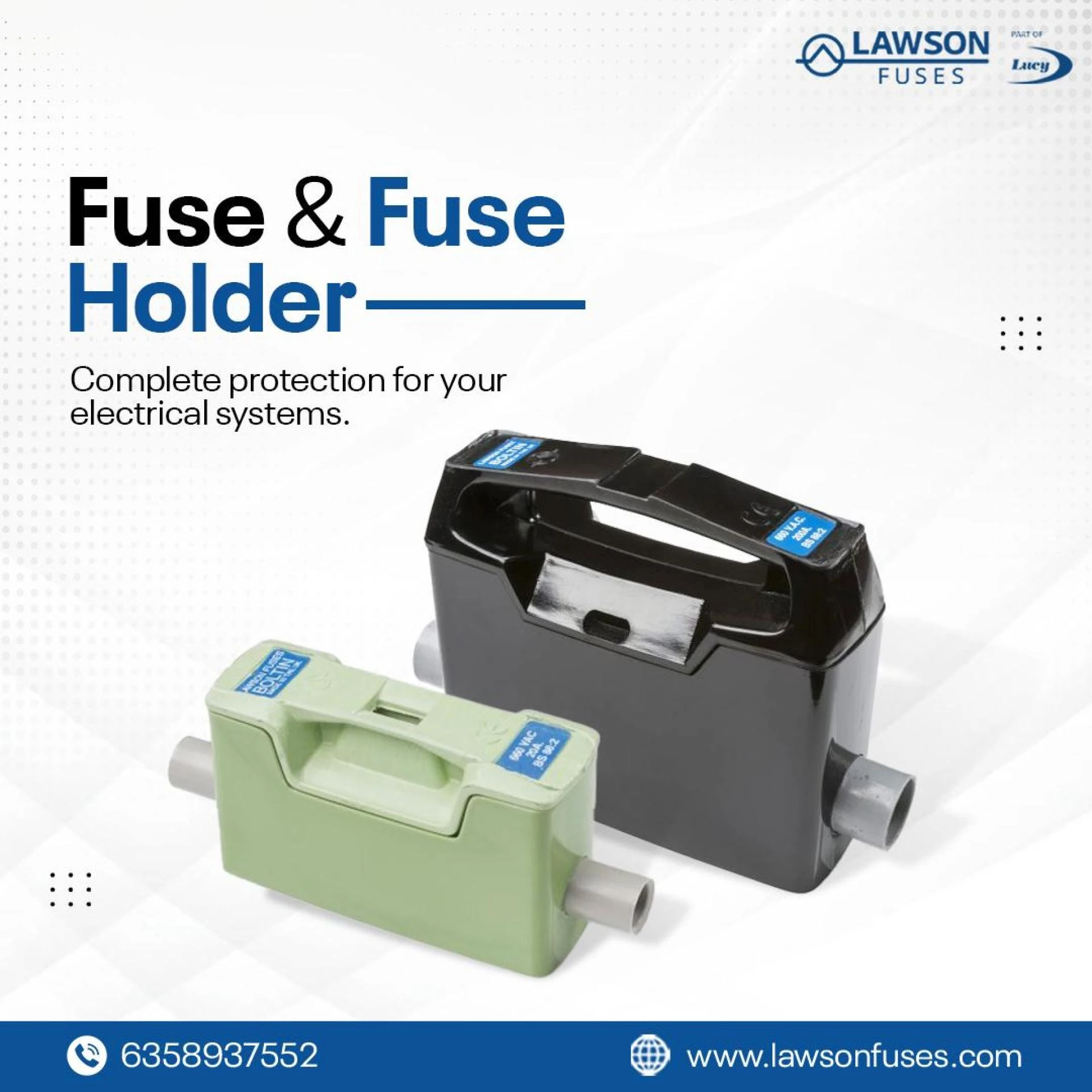
Role of Fuse and Fuse Holder in Safety
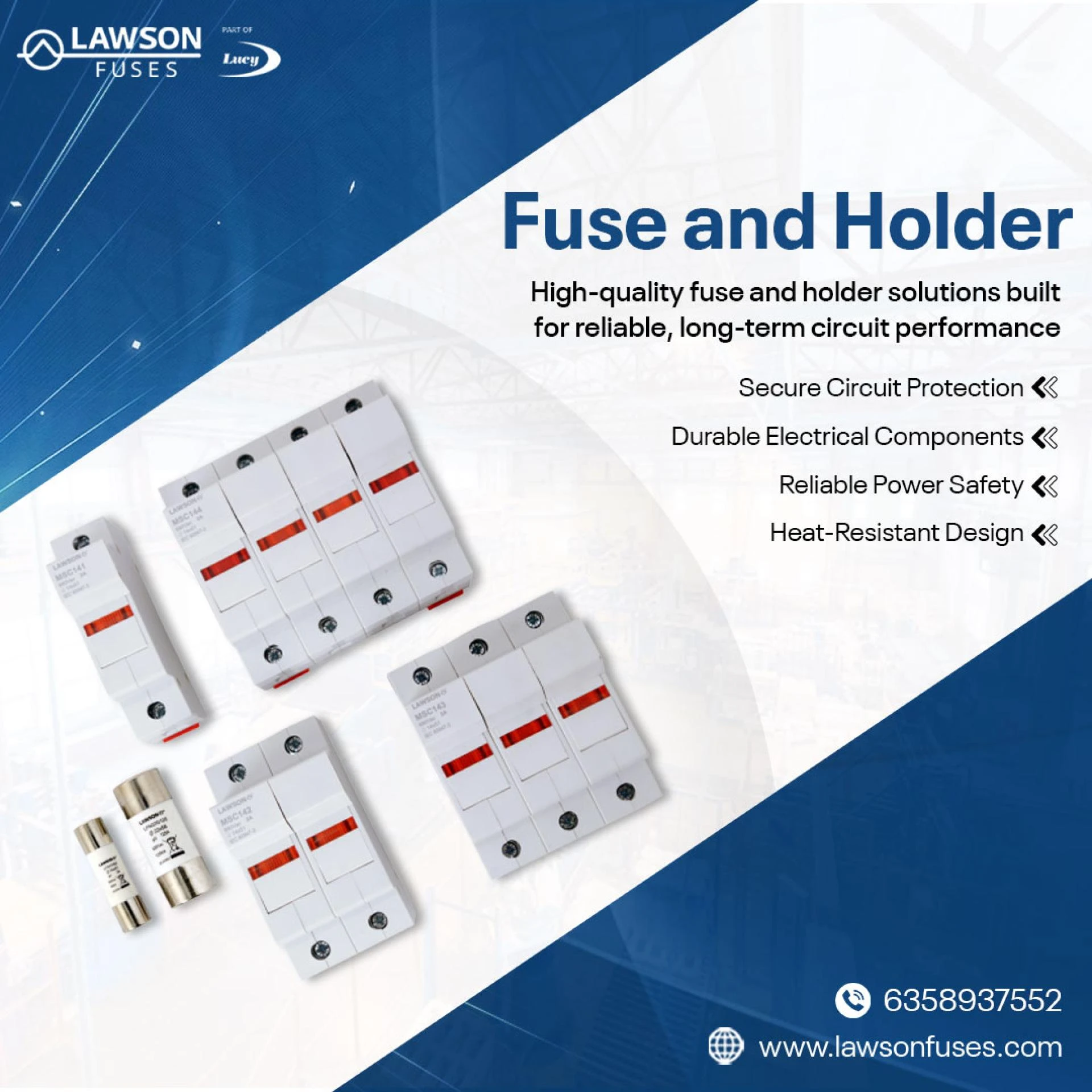
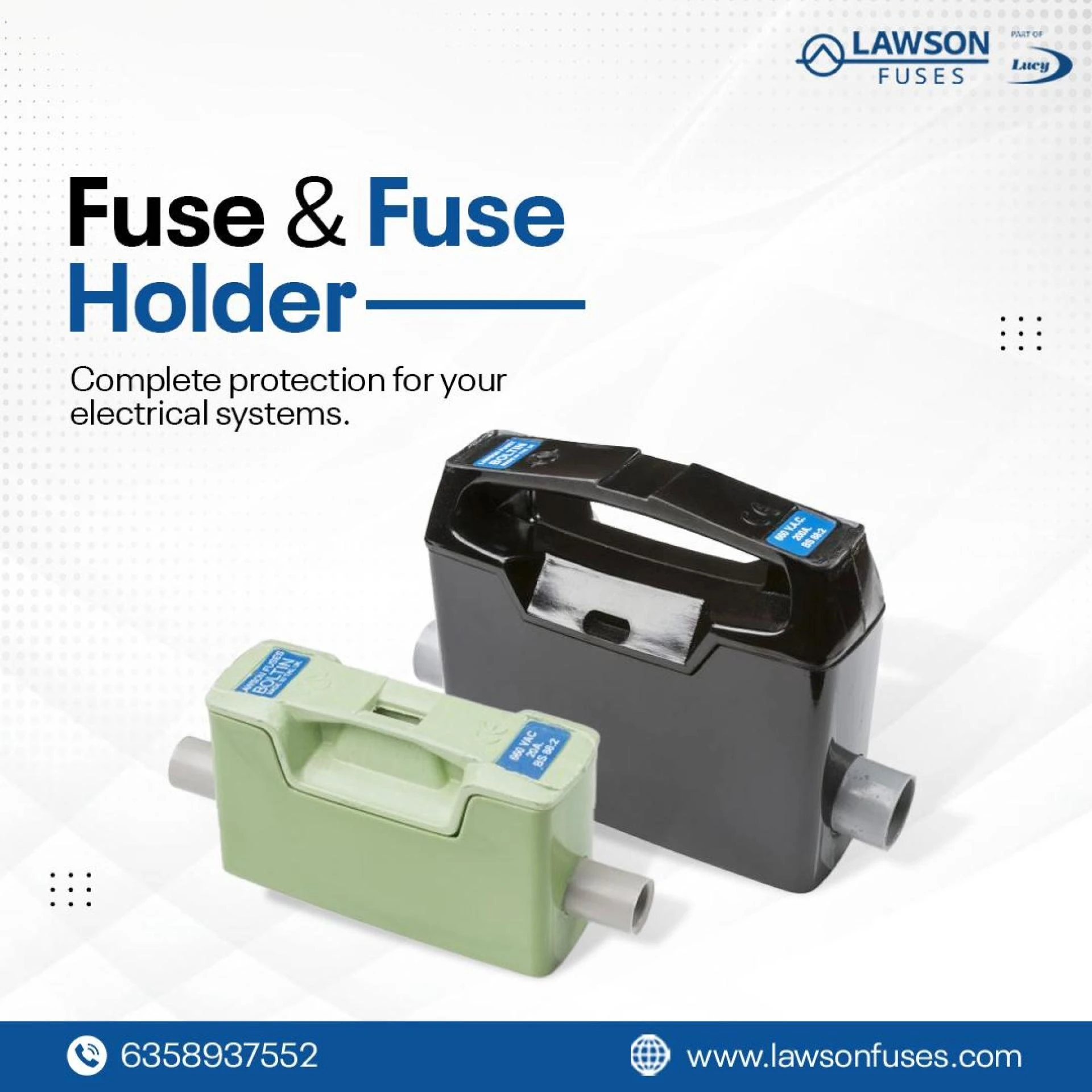
A fuse alone cannot ensure complete protection without a proper installation system. This is where the Fuse and Fuse holder become essential components of electrical safety.
The fuse holder securely houses the cylindrical fuse and provides proper electrical contact. A well-designed Fuse and Holder ensures:
- Safe and firm mounting of the fuse
- Easy inspection and replacement
- Reduced risk of accidental contact with live parts
- Reliable electrical connectivity
Using a high-quality fuse holder along with a correctly rated fuse is crucial for maintaining safety and system reliability.
Importance of Proper Current Rating
One of the most important aspects of electrical safety is selecting the correct fuse rating. A cylindrical fuse must be chosen based on the current, voltage, and application requirements of the circuit.
If an underrated fuse is used, it may blow unnecessarily, causing frequent interruptions. On the other hand, an overrated fuse may fail to protect the circuit, leading to overheating or fire hazards. Proper coordination between the Fuse and Fuse holder ensures that the fuse operates efficiently within its designed parameters.
Cylindrical Fuse vs HRC Fuse
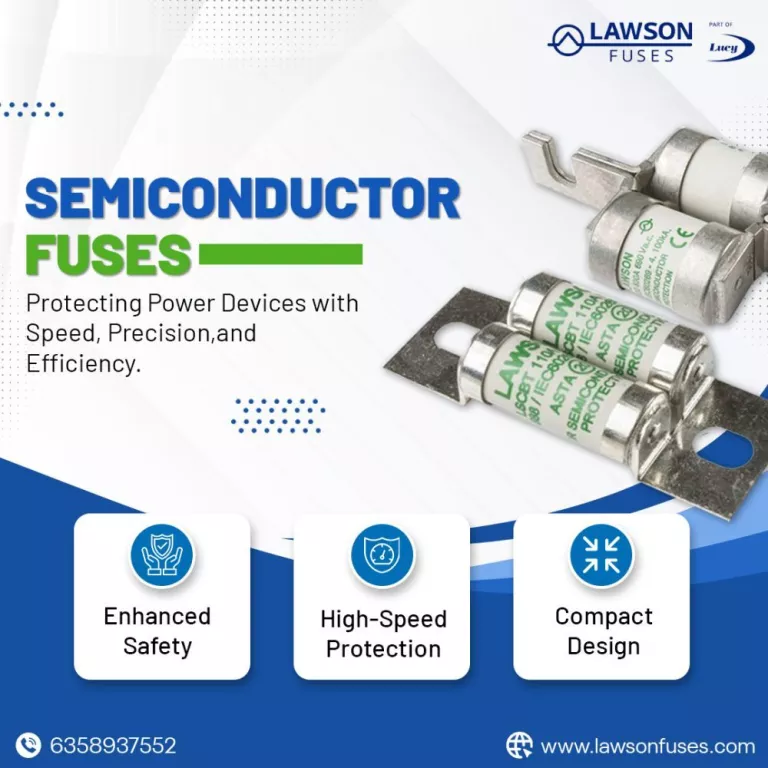
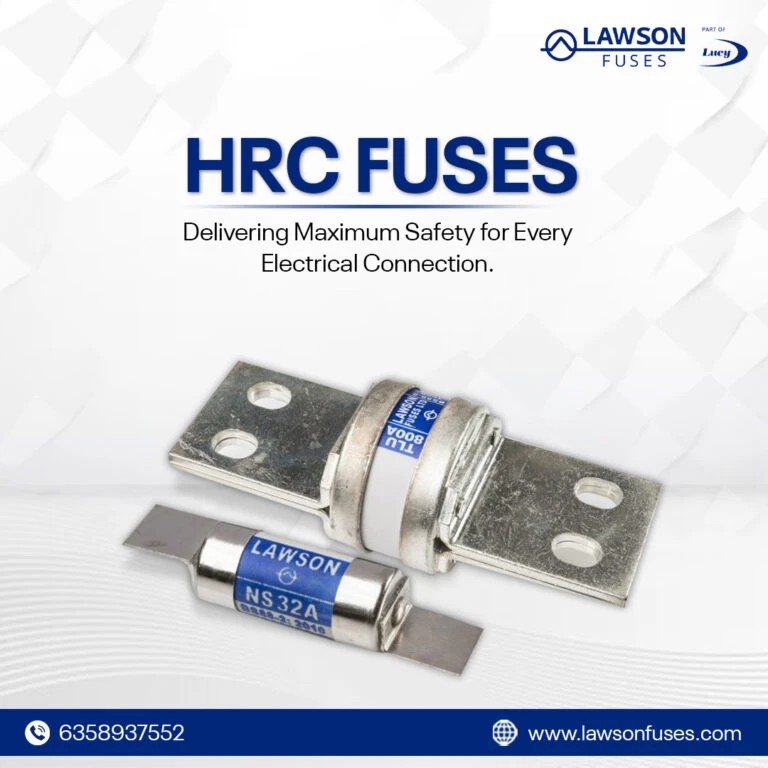
In industrial and high-power applications, the HRC Fuse (High Rupturing Capacity Fuse) is often used alongside or instead of standard cylindrical fuses. Understanding the difference helps in selecting the right protection device.
Cylindrical fuses are ideal for:
- Low to medium current applications
- Control circuits
- Electronic equipment
- Residential and commercial systems
An HRC Fuse is designed to handle:
- Extremely high fault currents
- Industrial power systems
- Heavy machinery and transformers
While both serve the same fundamental purpose, cylindrical fuses are valued for their simplicity and cost-effectiveness, whereas HRC fuses provide enhanced protection in high-energy fault conditions.
Prevention of Electrical Fires
Electrical fires are often caused by excessive current, faulty wiring, or short circuits. Cylindrical fuses act as a first line of defense by disconnecting power before dangerous temperatures are reached.
When installed correctly with a suitable Fuse and Holder, cylindrical fuses:
- Interrupt fault currents quickly
- Prevent insulation breakdown
- Reduce spark and arc formation
- Minimize fire hazards
This makes them an essential safety component in both domestic and industrial electrical installations.
Protection of Electrical Equipment
Modern electrical equipment is sensitive and expensive. Even a brief surge or overload can cause irreversible damage. Cylindrical fuses protect devices such as motors, control circuits, power supplies, and electronic boards by limiting current flow during abnormal conditions.
Using the right Fuse and Fuse holder ensures that:
- Equipment lifespan is extended
- Maintenance costs are reduced
- Unexpected failures are minimized
This is especially important in industries where downtime can result in significant financial losses.
Easy Maintenance and Replacement
One of the key advantages of cylindrical fuses is their ease of maintenance. Unlike complex protective devices, a blown fuse can be quickly identified and replaced.
With a properly designed Fuse and Holder, technicians can:
- Safely remove and replace fuses
- Perform quick inspections
- Restore system operation with minimal downtime
This simplicity makes cylindrical fuses a preferred choice in many electrical systems.
Compliance with Safety Standards
Cylindrical fuses are manufactured according to international safety standards, ensuring reliable performance and consistent quality. Compliance with these standards is critical for ensuring safe operation in electrical systems.
Using standardized fuses along with certified Fuse and Fuse holder assemblies ensures:
- Regulatory compliance
- Reduced risk of accidents
- Improved system reliability
In industrial environments, combining cylindrical fuses with HRC Fuse protection enhances overall system safety.
Applications of Cylindrical Fuses
Cylindrical fuses are used across a wide range of applications, including:
- Residential electrical panels
- Commercial buildings
- Industrial control panels
- Renewable energy systems
- Automotive and electronic equipment
Their versatility, combined with effective protection when used with the right Fuse and Holder, makes them indispensable in modern electrical systems.
It’s Time to Wrap Things Up!
Cylindrical fuses play a critical role in a safe electrical circuit because of their small size and high functionality. They provide the protection of your equipment, circuits, and most importantly, the people using the equipment and circuits from electrical overloads or short circuits when used with a proper fuse and fuse holder.
In addition to protecting against electrical hazards, cylindrical fuses significantly reduce the risk of fire and increase the safety of equipment and the reliability of their systems. They also combine HRC fuses as an additional layer of safety and reliability when exposed to higher fault current levels. Installing the right fuse and holder is one of the most basic ways to create a safer and more reliable electrical system






















Sign in to leave a comment.