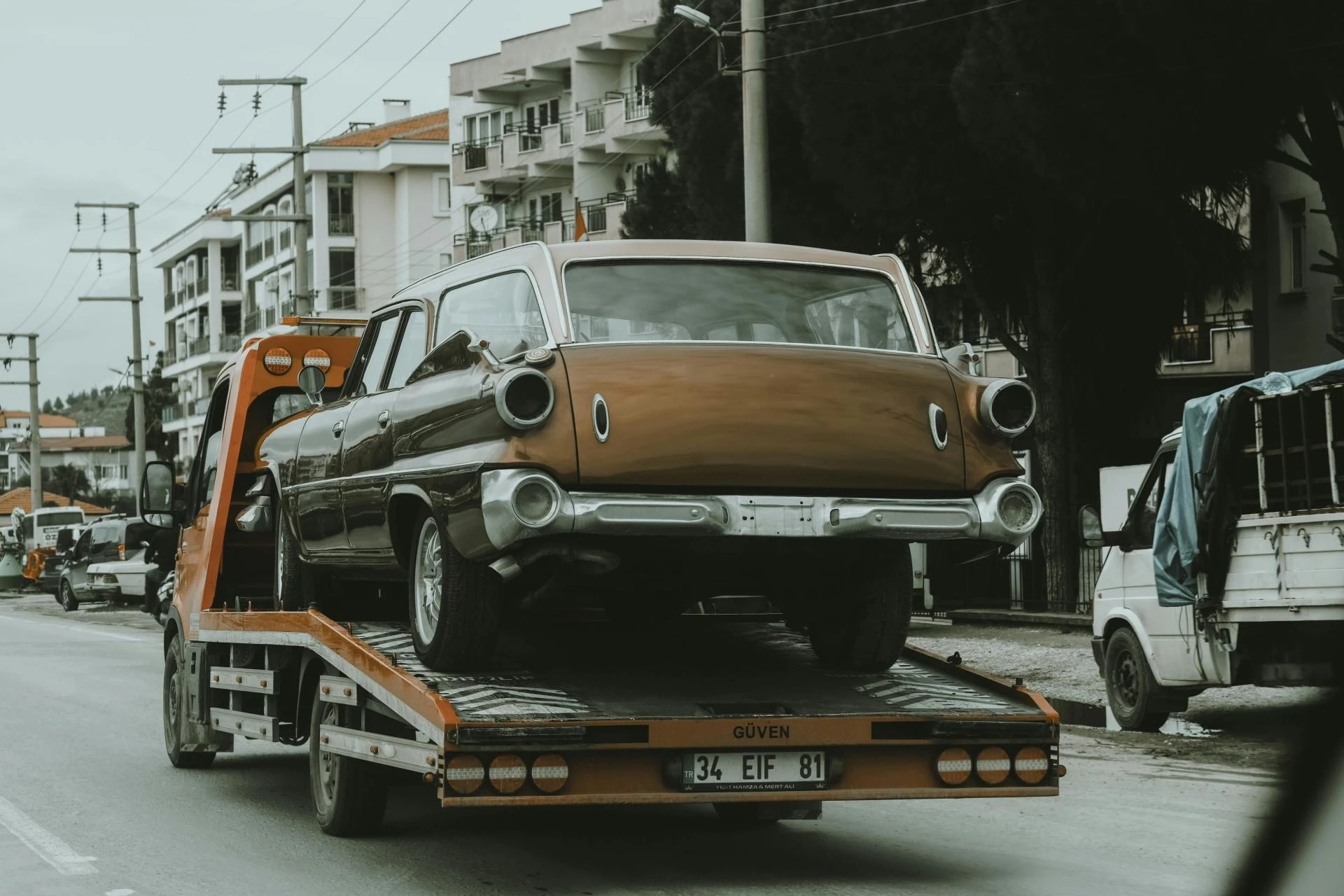
A vehicle collision is one of the most jarring experiences a driver can face. In the frantic moments following an impact, adrenaline often masks the complexity of the situation. Beyond the immediate shock, an accident triggers a cascade of legal, insurance, and logistical requirements that must be handled with precision to protect your health, your finances, and your legal standing. In the busy traffic environment of the Silesian Voivodeship, knowing the exact steps to take after a crash—and how professional recovery fits into that process—is essential for every motorist.
1. Immediate Safety and the "Corridor of Life"
The first priority following an accident is the physical safety of all parties involved. If the vehicles are mobile and the accident is minor, move them to the shoulder to avoid obstructing traffic. However, in more serious collisions where vehicles are disabled or injuries have occurred, they should remain in place to preserve the scene for investigation. Turn off the engines immediately to reduce the risk of fire from leaking fluids.
In Poland, and specifically on high-traffic routes like the S1 or the DK94, drivers are required to form a "Korytarz Życia" (Corridor of Life) to allow emergency services to reach the scene. Once you have secured your own safety, activate your hazard lights and place a warning triangle at the appropriate distance (100m on highways). This is the moment to contact emergency services and a professional Pomoc Drogowa provider who can coordinate with the police to secure the recovery zone.
2. The Role of Law Enforcement and Documentation
Whether or not you need to call the police depends on the severity of the incident. If there are injuries, fatalities, or if the perpetrator has fled or is under the influence of alcohol, calling the police is a legal requirement. In minor "fender benders" where both parties agree on the fault, a written "Statement of Traffic Collision" (Oświadczenie sprawcy kolizji drogowej) may be sufficient for insurance purposes.
However, even in minor cases, documentation is your strongest ally. Use your smartphone to take high-resolution photos of the vehicle positions, the damage to all cars involved, any skid marks on the road, and the surrounding traffic signs or signals. By 2026, many insurance companies allow for the instant upload of these photos via mobile apps, which can significantly speed up the claims process. This documentation also assists the recovery technician in determining the safest way to load a damaged vehicle without causing secondary harm to the chassis or internal sensors.
3. Dealing with Advanced Automotive Technology (ADAS)
Modern vehicles in 2026 are equipped with complex Advanced Driver Assistance Systems (ADAS), including radar sensors in the bumpers and cameras behind the windshield. Even a seemingly minor low-speed impact can misalign these sensitive components. When an accident occurs, the recovery process must be "tech-aware."
A specialized Laweta Dąbrowa Górnicza professional understands that a crashed car cannot be handled like a standard breakdown. If the steering rack is damaged or the electronic parking brake is locked due to an airbag deployment, the car must be moved using skates or a crane-lift to prevent further destruction of the drivetrain. Attempting to "drag" a crashed modern car onto a truck can result in thousands of euros in additional damage to the sensitive electronic architecture.
4. Choosing Your Recovery Partner vs. "Scavenger" Trucks
In the aftermath of an accident, it is common for unauthorized towing trucks to arrive at the scene unprompted. These "scavengers" often pressure stressed drivers into signing vague authorization forms. It is your legal right to refuse these services. You have the authority to choose which company handles your vehicle.
By contacting a reputable local provider directly, you ensure that the recovery is handled by a licensed and insured professional. A legitimate company will provide a clear, digital quote and an official service ticket. This is crucial for insurance reimbursement; many insurers will refuse to cover the costs of an unauthorized, over-priced tow from a "shadow" operator. Stick to the professionals you trust to ensure the chain of custody for your vehicle is documented and legal.
5. Insurance Coordination and Direct Billing
One of the most stressful aspects of accident recovery is the financial burden. However, if you are the victim of a collision, the towing and storage costs are typically covered by the perpetrator's Third-Party Liability Insurance (OC). Many professional recovery services in the Dąbrowa Górnicza area offer "Cashless Recovery" (Rozliczenie bezgotówkowe).
This means the recovery company works directly with the insurance provider, handling the paperwork and billing so that you don't have to pay out of pocket at the roadside. This service is a major relief during an already stressful time, allowing you to focus on your recovery or finding a replacement vehicle while the professionals handle the logistics. Ensure you provide your recovery technician with the perpetrator's policy number and the name of their insurance company to facilitate this process.
6. Post-Accident Storage and Forensic Inspection
If the accident was severe, your vehicle may need to be taken to a secure storage lot rather than a repair shop. This is often necessary if an insurance adjuster needs to inspect the vehicle to determine if it is a "total loss" or if the police need to perform a forensic mechanical inspection.
A professional storage facility provides a secure, monitored environment where your vehicle—and the personal belongings inside—are protected from theft and the elements. Legitimate providers will give you clear information on how to access the vehicle to retrieve personal items like house keys or documents. They will also assist in coordinating the final transport of the vehicle once the insurance company has made its decision.
Conclusion
An accident is a chaotic event, but your response to it should be systematic. By prioritizing safety, documenting the scene, and choosing a certified recovery expert, you can navigate the aftermath of a collision with confidence. The role of a professional recovery service extends far beyond just moving a car; they are your technical and logistical partners in the recovery process.
In Dąbrowa Górnicza and the surrounding Silesian region, having a plan and a trusted contact for accident recovery is the best way to ensure that a difficult day doesn't turn into a long-term financial or legal headache. Stay calm, follow the protocols, and rely on expert assistance to get you through the crisis and back on the road to recovery. Expert support is your greatest asset in the moments when you need it most.


























Sign in to leave a comment.