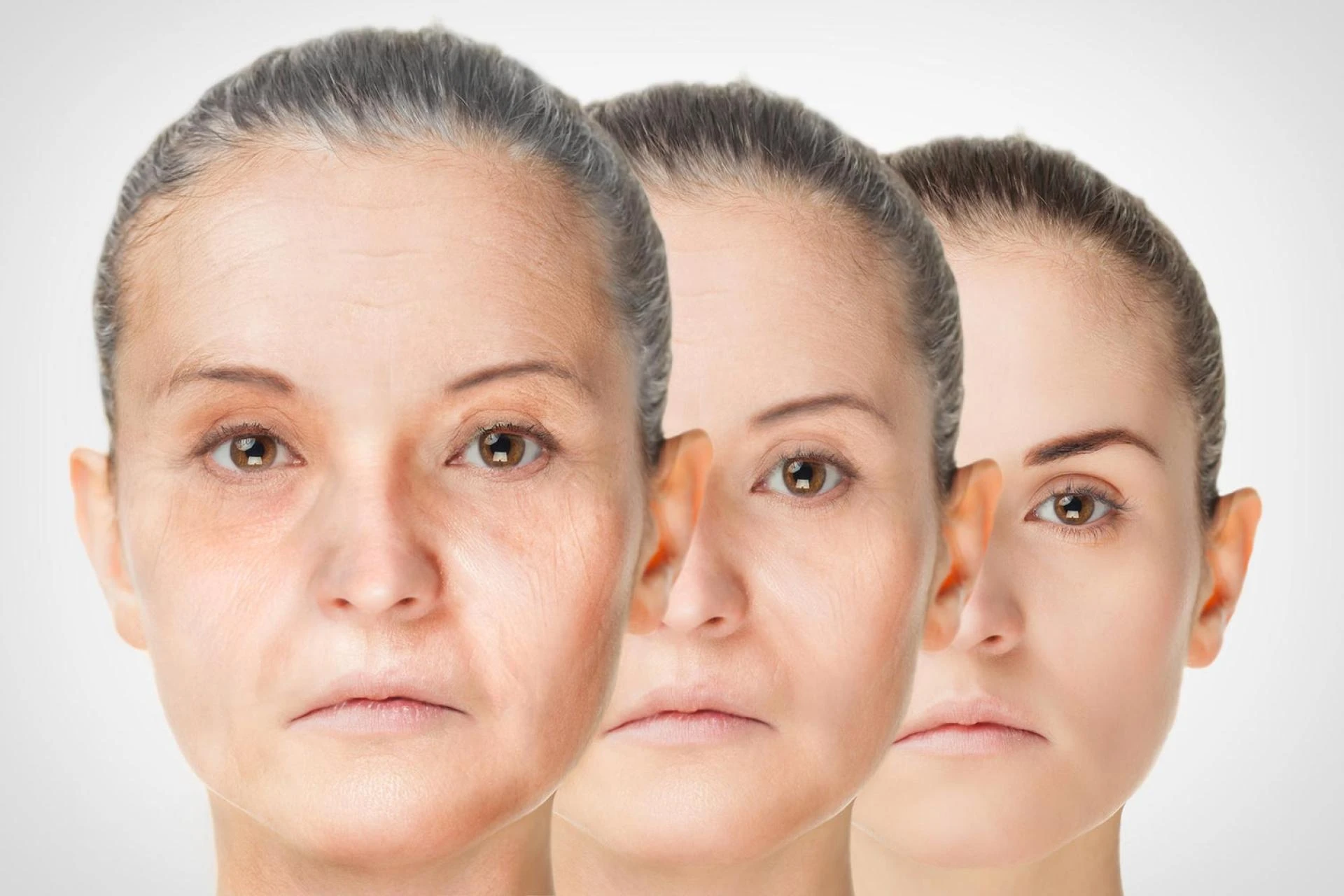

Acne is a common skin condition that affects millions of people worldwide. It not only causes physical discomfort but can also have a significant impact on self-esteem and confidence. Furthermore, the aftermath of acne often leaves behind scars, adding to the emotional burden. This article aims to shed light on the causes of acne, the formation of acne scars, effective treatment options, and preventive measures to help individuals overcome these skin problems.
I. Understanding Acne
Acne develops when the hair follicles become clogged with oil, dead skin cells, and bacteria. Hormonal changes, particularly during puberty, are a common trigger for acne, as they increase oil production. Other factors that contribute to acne include genetics, stress, diet, and certain medications.
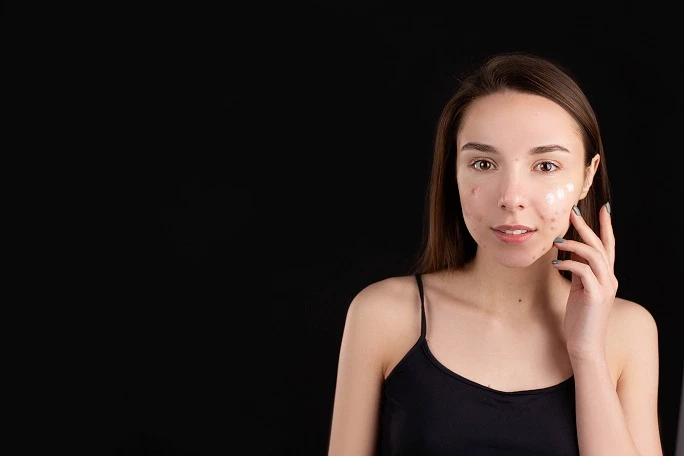
Acne can manifest in various forms, such as whiteheads, blackheads, papules, pustules, nodules, and cysts. These lesions can appear on the face, chest, back, and other parts of the body.
II. Acne Scars: The Aftermath (300 words):
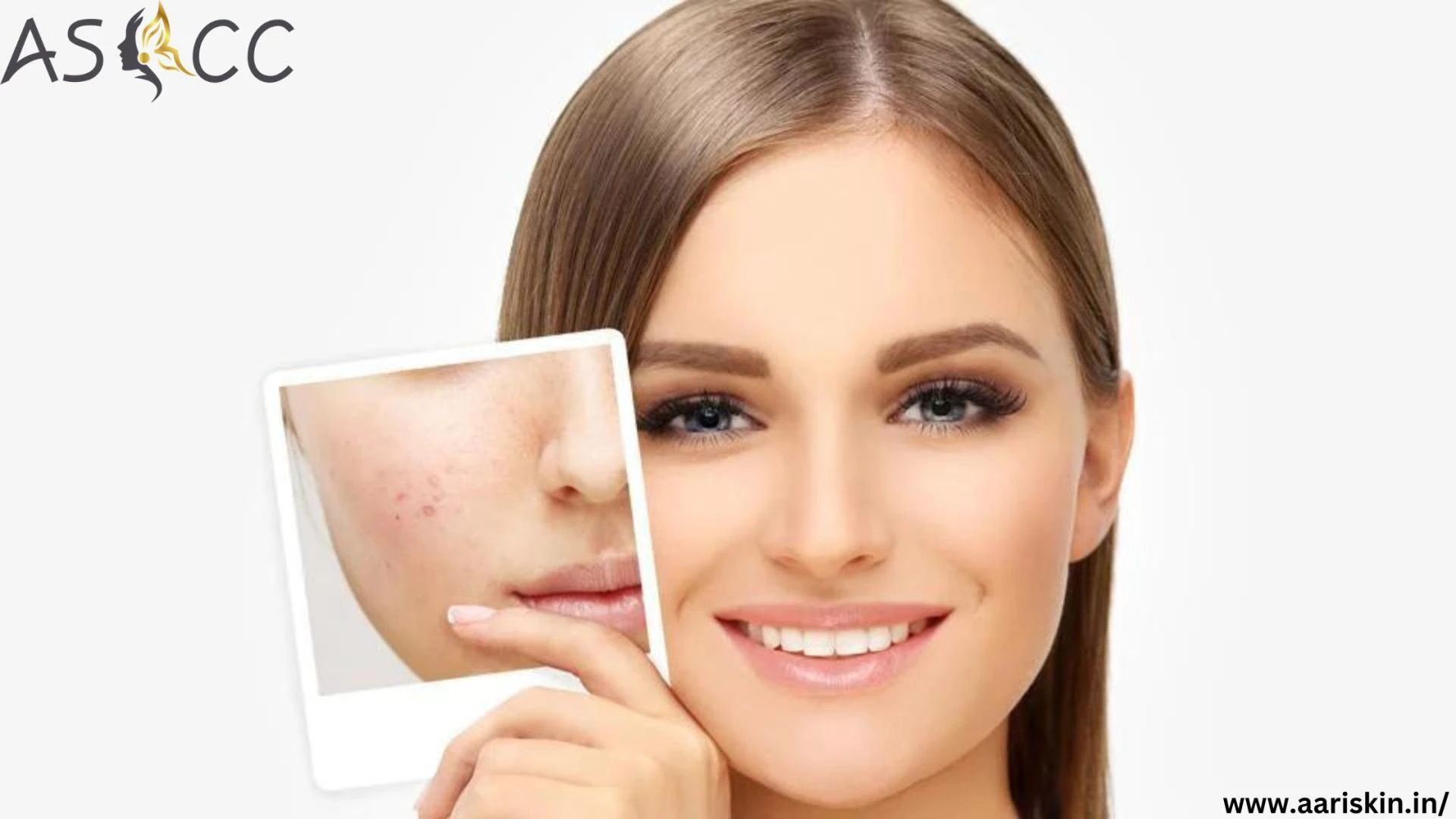
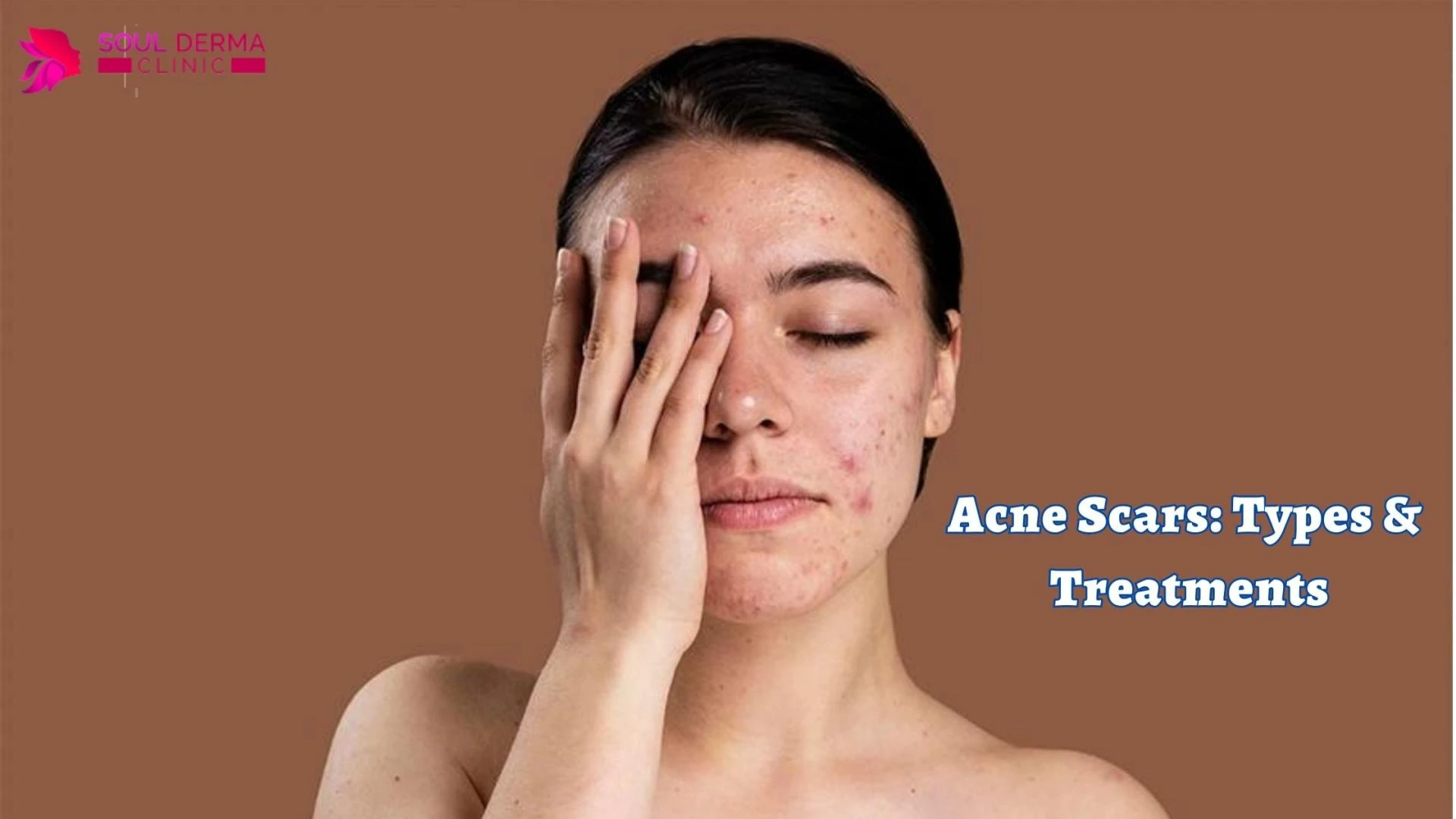
When acne lesions penetrate deep into the skin, they can cause inflammation and damage the surrounding tissue. The body's natural healing process may result in the formation of scars. Acne scars can take different forms, including atrophic scars (depressed or pitted), hypertrophic scars (raised), or keloid scars (excessive scar tissue).
The severity of acne scars varies from person to person, depending on factors such as the depth and extent of the acne lesions, the individual's skin type, and the effectiveness of treatment.
III. Treatment Options for Acne and Acne Scars (300 words):
a) Acne Treatment:
Topical Treatments: Over-the-counter creams, gels, and cleansers containing ingredients like benzoyl peroxide, salicylic acid, and retinoids can help reduce acne by unclogging pores, reducing inflammation, and promoting skin cell turnover.
Oral Medications: In more severe cases, dermatologists may prescribe oral antibiotics, hormonal treatments (such as birth control pills for women), or isotretinoin (a potent acne medication).
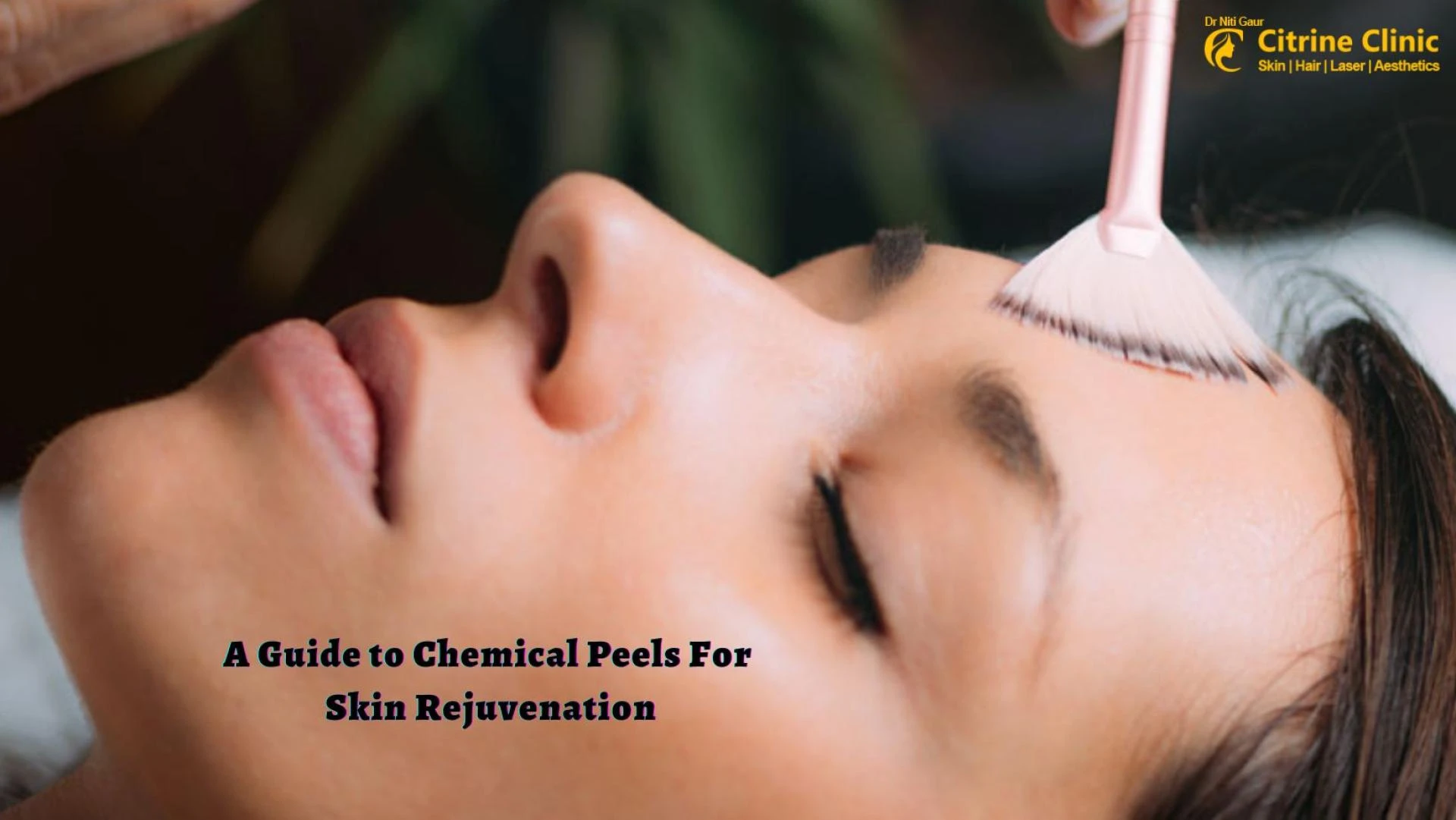
Professional Treatments: Dermatological procedures like chemical peels, microdermabrasion, laser therapy, or light therapy can be effective in treating stubborn or persistent acne.
b) Acne Scar Treatment:
Dermal Fillers: Injecting dermal fillers into depressed scars can help elevate them, resulting in smoother skin texture.
Microneedling: This procedure involves using a device with tiny needles to create controlled micro-injuries in the skin, stimulating collagen production and improving the appearance of acne scars.
Laser Resurfacing: Laser treatments, such as fractional laser therapy, can target specific layers of the skin, stimulating collagen production and reducing the appearance of scars.
IV. Prevention and Lifestyle Tips
Prevention is key to managing acne and minimizing the risk of scarring. Here are some practical tips:
Maintain a Consistent Skincare Routine: Cleanse your face twice a day with a gentle cleanser and avoid excessive scrubbing, which can irritate the skin.
Avoid Picking or Squeezing Acne Lesions: Picking or squeezing acne can worsen inflammation and increase the risk of scarring.
Use Non-comedogenic Products: Opt for skincare and makeup products labeled as non-comedogenic, meaning they do not clog pores.
Protect Your Skin: Wear sunscreen with a high SPF to protect your skin from sun damage, which can exacerbate acne and increase the visibility of scars.







Sign in to leave a comment.