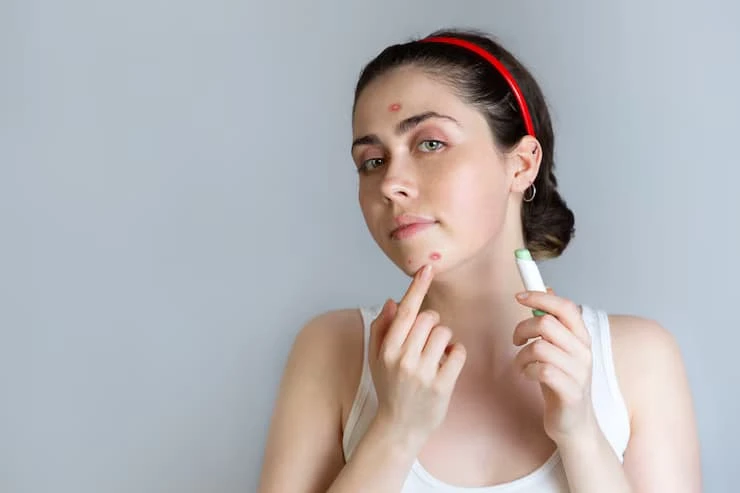

Acne is a common skin condition that affects individuals of all ages and skin types. While acne itself is often the focal point, the aftermath of acne, such as dark spots and scars, can also cause significant concern. Acne marks, which include post-inflammatory hyperpigmentation (PIH) and acne scars, can linger long after breakouts have healed. Thankfully, acne marks removal creams offer an effective solution to help reduce their appearance and promote clearer, smoother skin.
This ultimate guide will explore the best acne marks removal creams for every skin type, focusing on key ingredients, how they work, and how to choose the right treatment for your unique skin concerns.
Understanding Acne Marks
Before diving into the best acne marks removal creams, it’s important to understand what acne marks are and how they form.
What Are Acne Marks?
Acne marks refer to the discoloration and scarring left behind after acne lesions heal. These marks can take two primary forms:
- Post-inflammatory hyperpigmentation (PIH): These are dark spots that appear on the skin after a pimple or acne lesion has healed. PIH is caused by excess melanin production in response to inflammation.
- Acne scars: These are physical indentations or raised areas on the skin left behind after deeper acne lesions, like cystic acne, heal. Acne scars can be either atrophic (depressed) or hypertrophic (raised).
While PIH typically fades over time, acne scars may require more targeted treatment. The goal of acne marks removal creams is to address both types of marks by promoting skin regeneration and lightening hyperpigmented areas.
Key Ingredients in Acne Marks Removal Creams
The effectiveness of an acne marks removal cream largely depends on the ingredients it contains. Different ingredients target various aspects of acne marks, such as reducing inflammation, promoting skin renewal, and inhibiting melanin production. Below are some of the most common and effective ingredients used in acne marks removal creams.
1. Retinoids (Retinol and Tretinoin)
Retinoids are derivatives of vitamin A that are widely used in skincare for their ability to promote cell turnover. This means they encourage the skin to shed its outer layer of dead skin cells, which can help fade acne marks over time.
How Retinoids Work
Retinoids stimulate collagen production, which improves the texture and elasticity of the skin. By increasing the rate of skin cell turnover, retinoids help to fade dark spots and reduce the appearance of acne scars.
Best For:
Retinoids are particularly effective for individuals with atrophic acne scars and post-inflammatory hyperpigmentation. They are suitable for all skin types, though they can be irritating, especially for sensitive skin.
When to Use:
Retinoids should be used at night because they can make the skin more sensitive to the sun. Start with a lower concentration (e.g., 0.25% retinol) and gradually increase the strength to avoid irritation.
2. Vitamin C
Vitamin C is a potent antioxidant that is widely used in skincare for its ability to brighten the skin and reduce hyperpigmentation. It works by inhibiting melanin production, which helps lighten dark spots and acne marks.
How Vitamin C Works
Vitamin C neutralizes free radicals caused by UV exposure and pollution, preventing further pigmentation. It also helps to stimulate collagen production, which improves skin texture and reduces the appearance of acne scars.
Best For:
Vitamin C is ideal for individuals with PIH (dark spots) and is suitable for all skin types. It is especially beneficial for those looking to brighten the skin and even out their complexion.
When to Use:
Vitamin C is best used in the morning, as it provides protection against free radicals and environmental damage. Be sure to follow it with a broad-spectrum sunscreen to enhance its protective effects.
3. Niacinamide (Vitamin B3)
Niacinamide is a multitasking ingredient that is well-known for its anti-inflammatory and skin-brightening properties. It helps reduce redness and dark spots caused by acne, while also strengthening the skin barrier.
How Niacinamide Works
Niacinamide works by inhibiting the transfer of melanin to skin cells, helping to fade dark spots and improve overall skin tone. It also regulates oil production, which can help prevent future breakouts.
Best For:
Niacinamide is suitable for all skin types, including sensitive skin. It is particularly effective for individuals with oily or acne-prone skin, as it can also help reduce sebum production and prevent new breakouts.
When to Use:
Niacinamide can be used both in the morning and at night. It is often found in serums, moisturizers, and spot treatments.
4. Alpha Arbutin
Alpha arbutin is a gentle yet effective skin-brightening agent derived from the bearberry plant. It works similarly to hydroquinone but is less irritating and suitable for sensitive skin.
How Alpha Arbutin Works
Alpha arbutin inhibits the activity of tyrosinase, the enzyme responsible for melanin production, which helps to reduce dark spots and hyperpigmentation over time.
Best For:
Alpha arbutin is ideal for those with sensitive skin or individuals who have difficulty tolerating stronger skin-lightening agents like hydroquinone. It is effective for treating PIH and general skin discoloration.
When to Use:
Alpha arbutin can be used both in the morning and evening. It is often found in serums, creams, and masks designed for skin brightening.
5. Hydroquinone
Hydroquinone is one of the most powerful and widely used ingredients for lightening hyperpigmentation. It works by inhibiting tyrosinase, the enzyme responsible for melanin production, which helps to lighten dark spots and acne marks.
How Hydroquinone Works
By slowing down melanin production, hydroquinone helps to fade dark spots and even out skin tone. It is typically found in higher concentrations in prescription formulas, but lower concentrations (2%) are available over the counter.
Best For:
Hydroquinone is effective for individuals with stubborn hyperpigmentation or deep acne scars. It is suitable for most skin types, though it can cause irritation in sensitive individuals.
When to Use:
Hydroquinone should be used with caution, as prolonged use can lead to skin irritation. It is typically applied at night and used in cycles to avoid side effects.
6. Alpha Hydroxy Acids (AHAs)
AHAs, such as glycolic acid and lactic acid, are chemical exfoliants that help to remove dead skin cells from the surface. By encouraging skin turnover, AHAs can help fade acne marks and improve overall skin texture.
How AHAs Work
AHAs exfoliate the skin’s surface, promoting the shedding of dead skin cells that contribute to clogged pores and acne. This process helps fade dark spots and smooth out acne scars.
Best For:
AHAs are ideal for individuals with hyperpigmentation or rough skin texture caused by acne scars. They are suitable for normal to dry skin types and can be used to improve overall skin radiance.
When to Use:
AHAs should be used in the evening, as they can increase the skin’s sensitivity to sunlight. Always follow up with sunscreen during the day when using AHAs.
Choosing the Right Acne Marks Removal Cream for Your Skin Type
Selecting the best acne marks removal cream for your skin type is essential to achieve clear, smooth skin. Here are some tips for choosing the right product based on your skin type.
For Oily Skin
Oily skin is prone to clogged pores, which can lead to more breakouts. Look for acne marks removal creams containing salicylic acid, niacinamide, or retinoids. These ingredients help control oil production, prevent clogged pores, and fade acne marks.
For Dry Skin
Dry skin can become irritated when using stronger acne treatments. For dry skin, opt for gentler ingredients like niacinamide, alpha arbutin, or vitamin C, which provide hydration and brighten skin without causing excessive dryness.
For Sensitive Skin
Sensitive skin requires gentle treatments that don’t cause irritation. Niacinamide, alpha arbutin, and licorice extract are excellent choices for sensitive skin, as they help reduce redness, fade dark spots, and calm inflammation without causing irritation.
For Combination Skin
Combination skin benefits from a balanced approach, combining ingredients like salicylic acid for oil control in the T-zone and niacinamide for overall skin tone improvement. A combination of ingredients that treat both dryness and oiliness is key.
Conclusion
Choosing the right acne marks removal cream depends on your skin type and the severity of your acne marks. Key ingredients like retinoids, vitamin C, niacinamide, alpha arbutin, hydroquinone, and AHAs each offer unique benefits for fading dark spots and improving skin texture. By understanding your skin’s needs and selecting products with the right ingredients, you can effectively reduce the appearance of acne marks and achieve a clearer, more even complexion.



























Sign in to leave a comment.