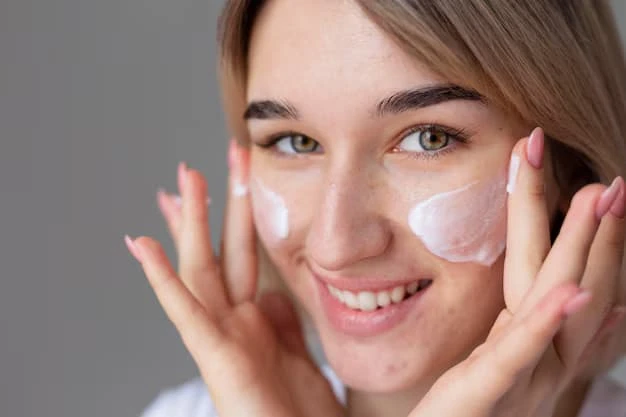

Melasma is a common skin concern that causes uneven pigmentation on the face. While many individuals successfully lighten dark patches with treatment, preventing melasma from returning often becomes the bigger challenge. Recurrence is common because melasma is influenced by internal and external factors that continue to affect the skin even after the patches fade. A consistent routine and the right products play an important role in long term maintenance. Using a melasma cream for face care can help reduce the chances of flare ups when paired with mindful skin practices. This article explains how facial creams support prevention and offers practical tips to maintain an even and balanced complexion.
Understanding Why Melasma Comes Back
Melasma can return even after successful fading. Knowing the common triggers helps individuals make informed decisions about prevention.
Hormonal Fluctuations
Hormones are among the most influential factors behind melasma. Many individuals experience flare ups during pregnancy or while taking certain hormonal treatments. Even after melasma has faded, fluctuations can reactivate pigment forming cells in the skin.
Sun Exposure
Ultraviolet rays encourage pigment producing cells to work more actively. Even minimal exposure can trigger melasma patches to reappear. This sensitivity makes sun protection and long term care essential.
Heat and Infrared Light
Heat can stimulate pigment cells, even without visible sunburn. This means everyday warmth from cooking, exercise, or outdoor activities may contribute to melasma recurrence.
Genetic Predisposition
Some individuals are naturally more prone to pigmentation issues because of genetic factors. This makes consistent maintenance even more important.
How Melasma Creams for the Face Support Prevention
Facial creams formulated for melasma are designed to control pigmentation activity and maintain an even skin tone. When used consistently, they create a supportive environment that discourages the return of dark patches.
Regulating Pigment Production
A melasma cream for face care often includes ingredients that calm pigment producing cells. Although the article does not list specific substances, these formulations typically help slow down the overproduction of pigment that causes dark patches.
Improving Skin Texture
Even skin texture allows for more uniform light reflection. Some creams can smooth roughness and support overall brightness. A well maintained skin surface is less likely to show uneven tone.
Supporting Skin Barrier Health
When the skin barrier is resilient, it can defend itself more effectively against external triggers. Many melasma creams include hydrating elements that help strengthen this protective barrier. A strong barrier reduces the risk of irritation that could lead to pigmentation flare ups.
Encouraging Cell Turnover
Daily use promotes gentle exfoliation, which helps fade lingering pigment and keeps the skin clear. Regular turnover allows new and brighter skin cells to come forward.
Building a Routine to Prevent Melasma Recurrence
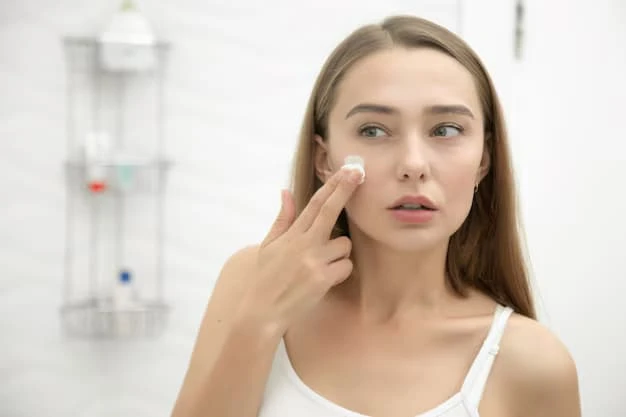
A melasma cream for face care is most effective when it is part of a well structured routine. Consistency and mindful habits play a key role in long term prevention.
Morning and Evening Application
Using the cream both morning and evening supports round the clock protection. Morning application assists with daytime factors that may stimulate pigment formation, while evening use helps repair the skin while it rests.
Pairing with Sun Protection
Sun protection is an essential part of any melasma prevention routine. Using broad coverage products every day, even when indoors, greatly reduces the chances of dark patches returning. Reapplying throughout the day provides better defense, especially for those who spend time outdoors.
Maintaining Hydration
Hydration keeps the skin barrier strong and helps prevent irritation. Adding a gentle moisturizer after applying a melasma cream helps lock in the benefits and creates a smoother skin surface.
Consistent Gentle Cleansing
Gentle cleansing removes dirt, sweat, and environmental buildup without irritating the skin. Mild cleansers help maintain balance and reduce the chances of flare ups triggered by harsh ingredients.
Factors That Influence Melasma Recurrence
Preventing melasma from returning is not just about the products used. Daily habits and environmental conditions can also influence long term skin health.
Climate and Seasonal Changes
Seasonal changes affect melasma in significant ways. During summer, stronger sunlight and heat may increase pigmentation activity. Winter dryness can compromise the skin barrier, making it more susceptible to irritation. Adjusting the routine to accommodate seasonal needs helps maintain a steady defense.
Lifestyle Choices
Activities that expose the skin to heat or environmental stress may influence melasma recurrence. For example, prolonged time spent near heating appliances or engaging in intense outdoor exercise without protection can activate pigment cells. Awareness and small adjustments can make a big difference.
Skin Sensitivity
Individuals with naturally sensitive skin may experience more frequent melasma flare ups. Using gentle products and avoiding harsh ingredients can help reduce irritation and maintain even tone.
Stress and Internal Factors
Stress can influence hormone activity, which in turn may affect melasma. While stress cannot always be avoided, mindful practices can support overall skin health.
Enhancing the Benefits of Melasma Creams
A melasma cream for face care becomes even more effective when combined with smart supportive habits. Strengthening the skin from within and maintaining a balanced routine improves results and reduces the chance of recurrence.
Protecting the Skin from Heat
Since heat can trigger melasma, small adjustments such as avoiding direct heat sources, staying in shaded areas, and using fans or cooling methods can help reduce the risk of flare ups.
Choosing Gentle Skin Care Products
Harsh ingredients can irritate the skin and trigger inflammation. Selecting mild cleansers, moisturizers, and creams helps keep the skin calm. Irritation often leads to pigmentation, so avoiding aggressive products is important.
Avoiding Excessive Exfoliation
While gentle exfoliation may help improve skin tone, excessive exfoliation can damage the skin barrier and worsen melasma. A balanced approach ensures that pigmentation is managed without causing unnecessary irritation.
Maintaining a Healthy Lifestyle
Supporting the body through adequate sleep, hydration, balanced nutrition, and stress management can contribute to long term skin clarity.
How to Recognize Early Signs of Melasma Returning
Early detection helps control melasma before it becomes more noticeable. Using a melasma cream for face care consistently makes it easier to maintain even tone.
Subtle Darkening of the Skin
The first sign of recurrence may be slight darkening on areas that were previously affected. Monitoring these areas closely helps catch changes early.
Increased Sensitivity
Heightened sensitivity or warmth on the skin may indicate that pigmentation activity is increasing. When this occurs, enhancing daily protection can help prevent a full flare up.
Uneven Skin Texture
Changes in texture can sometimes appear before visible pigmentation. Keeping the skin well hydrated supports even tone and helps maintain balance.
When to Seek Additional Support
Although melasma creams are effective maintenance tools, some individuals may benefit from additional guidance.
Persistent Flare Ups
If melasma continues to return despite consistent care, seeking advice is helpful. This ensures that a more tailored approach can be explored.
Difficult to Manage Sun Sensitivity
Some individuals may experience intense sun sensitivity even with daily precautions. In such cases, additional support may be needed.
Uncertainty About Routine Steps
Those unsure about product layering or timing may find guidance valuable to avoid mistakes that could irritate the skin.
Conclusion
Melasma is a persistent condition that often requires ongoing care even after the dark patches fade. Using a melasma cream for face maintenance helps regulate pigment activity and strengthens the skin’s natural resilience. When paired with sun protection, gentle routines, and mindful habits, it becomes an effective tool for preventing melasma from returning. For individuals seeking dependable guidance and supportive information on long term skin care, MiQuest is dedicated to offering trusted insights and assistance.



























Sign in to leave a comment.