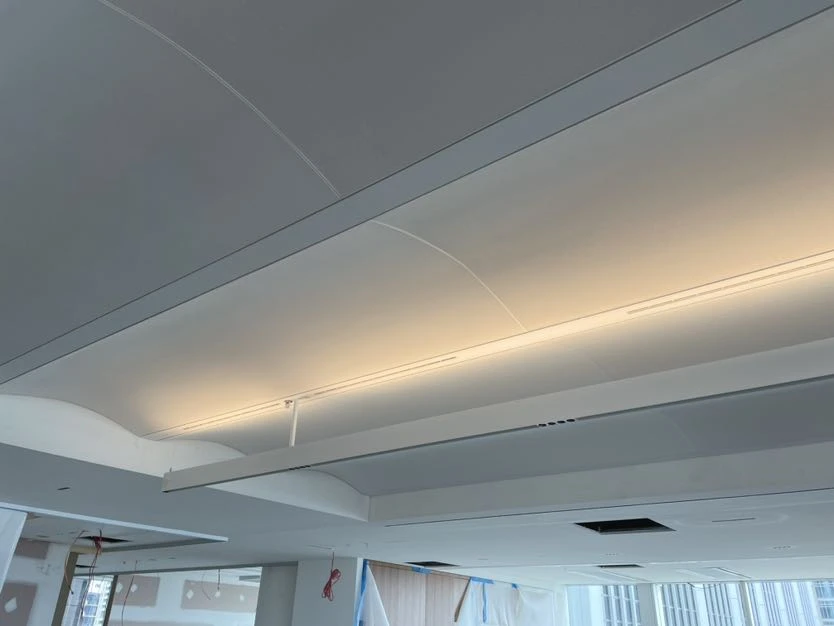

When designing modern interiors, balancing aesthetics with performance is no longer optional—it’s essential. Whether you’re creating a serene home theatre, upgrading an open‑plan office, or finishing a high‑end hospitality space, an acoustic plasterboard ceiling delivers a sophisticated look without compromising acoustic comfort. This solution blends cutting‑edge sound management with flawless design, making it one of the most effective ways to control noise while preserving visual continuity.
What Is an Acoustic Plasterboard Ceiling?
An acoustic plasterboard ceiling is a specialized ceiling system that integrates sound‑absorbing materials directly into the ceiling finish. Unlike traditional suspended ceilings with visible tiles or gaps, these systems use plasterboard panels engineered for acoustic performance. These panels often contain perforations or micro‑channels and are paired with acoustic insulation behind them to absorb and dissipate sound energy.
In simple terms, it’s a ceiling that looks smooth and elegant but behaves like a high‑performance sound absorber.
How Acoustic Plasterboard Works
At its core, sound travels as waves that reflect off hard surfaces. In conventional plasterboard ceilings, sound reflects easily, causing echo, reverberation, and noise buildup—especially in large or open spaces.
An acoustic plasterboard ceiling disrupts those reflections. The panel surface and its internal structure trap and dissipate sound, reducing:
- Reverberation time
- Background noise
- Speech echo
- Noise transfer between rooms
Behind the perforated plasterboard, acoustic insulation (such as mineral wool or specialized foam) captures the sound waves that pass through the panel, converting them into tiny amounts of heat energy. The result? A quieter, more comfortable environment.
Benefits of Acoustic Plasterboard Ceilings
1. Seamless Design Aesthetic
Unlike grid or tile ceilings, acoustic plasterboard ceilings create an uninterrupted, smooth plane. This makes them ideal for modern interiors where clean lines and minimalism are key.
2. Enhanced Sound Comfort
These ceilings significantly reduce reverberation and improve speech clarity, making them great for:
- Living rooms and home cinemas
- Classrooms and learning spaces
- Offices and meeting rooms
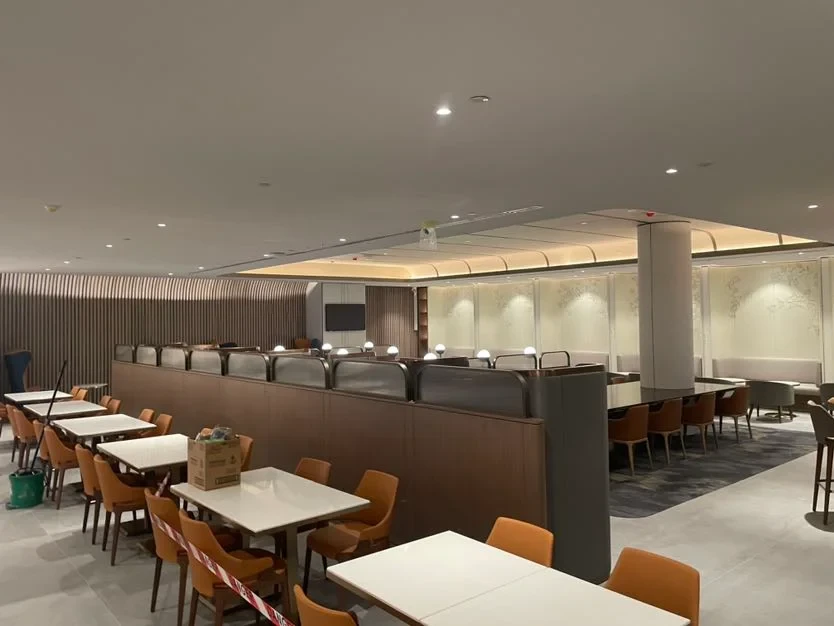
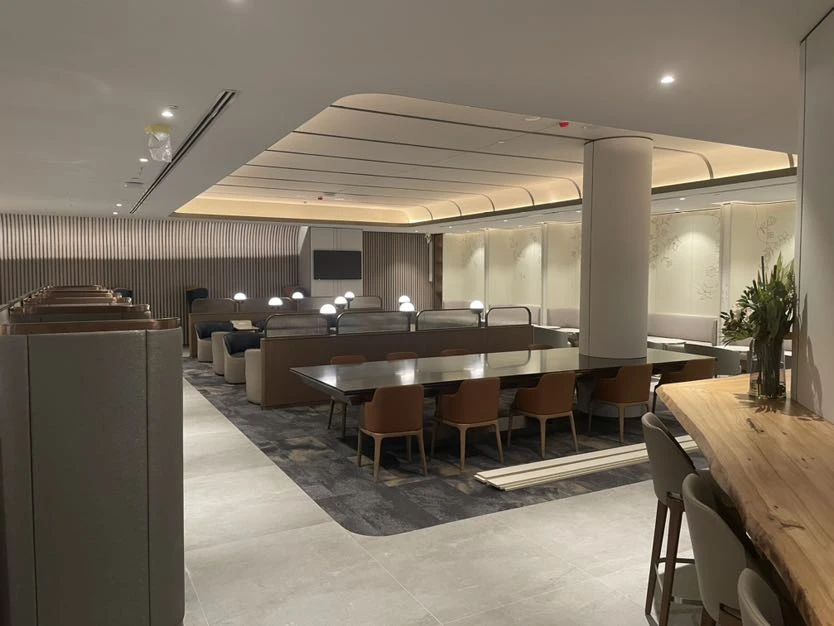
- Restaurants and lounges
3. Flexible Finishes
Acoustic plasterboard can be finished in a range of textures and colors, painted to match any palette, or left in understated tones to blend with the architecture. Designers and architects love the flexibility.
4. Hidden Installation
Unlike exposed acoustic ceiling systems, acoustic plasterboard ceilings conceal fixtures, wiring, and ductwork for a tidy, integrated look.
Applications Across Industries
Acoustic plasterboard ceilings are versatile and suited to various settings:
- Residential: Reduce noise between floors and improve audio experiences in media rooms.
- Commercial Interiors: Boost productivity in offices by minimizing distracting noise.
- Healthcare: Improve patient comfort by reducing ambient noise.
- Education: Enhance speech intelligibility in classrooms and lecture halls.
- Hospitality: Deliver quiet dining and social spaces without compromising design.
Acoustic Performance and Ratings
When choosing a ceiling system, key acoustic metrics include:
- NRC (Noise Reduction Coefficient): Measures sound absorption. High NRC values indicate better performance.
- SAA (Sound Absorption Average): Similar to NRC but more precise across frequency ranges.
A well‑designed acoustic plasterboard ceiling can achieve NRC ratings that rival traditional suspended systems—while looking significantly more refined.
Installation and Considerations
Installation of an acoustic plasterboard ceiling requires specialist knowledge. Experts will typically:
- Evaluate your space’s acoustic needs.
- Recommend suitable board types and insulation options.
- Coordinate with lighting and HVAC design.
- Install panels with precision and finish with plaster or paint.
Proper sealing and integration are crucial; gaps or poor installation can compromise performance.
Why Choose Acoustic Plasterboard Over Other Solutions?
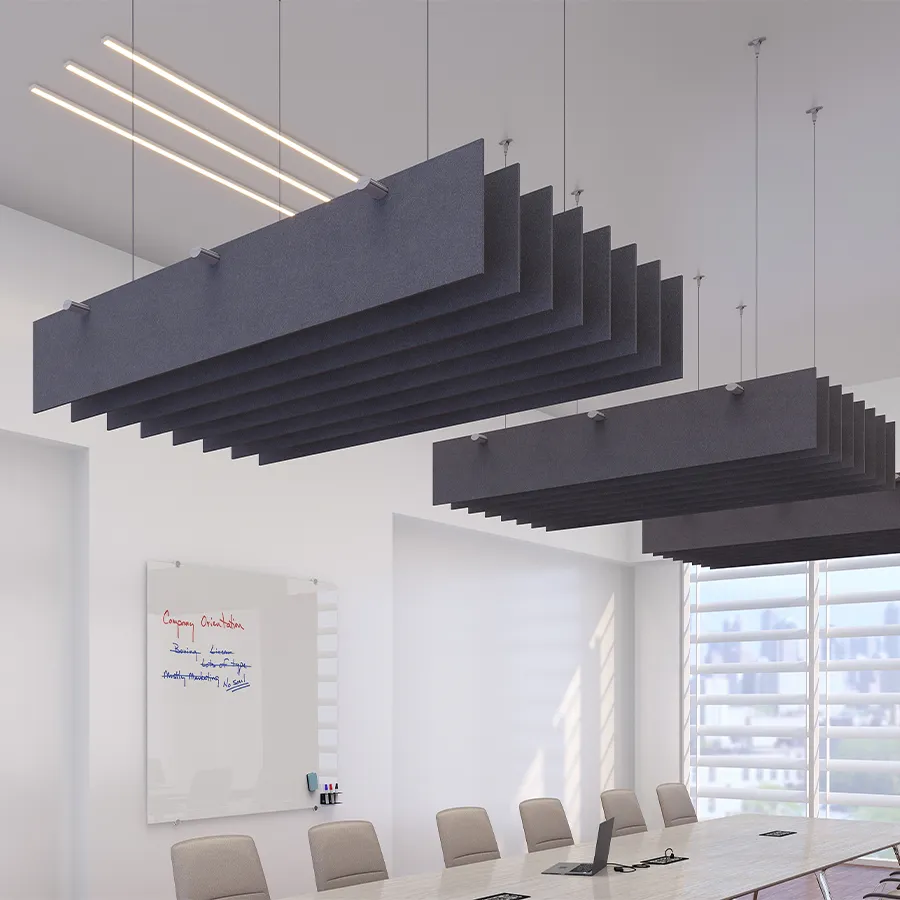
- Better aesthetics than acoustic tiles or baffles.
- More consistent performance than DIY acoustic fixes.
- Integrated solution that complements interior design.
Conclusion: A Smart Acoustic Choice
Whether you’re renovating or building new, an acoustic plasterboard ceiling brings world‑class acoustic performance without sacrificing style. It’s not just a ceiling—it’s part of your space’s comfort, design, and functionality. With increasing demand for environments that balance form and function, this approach is fast becoming a go‑to solution for architects, designers, and homeowners alike.

























Sign in to leave a comment.