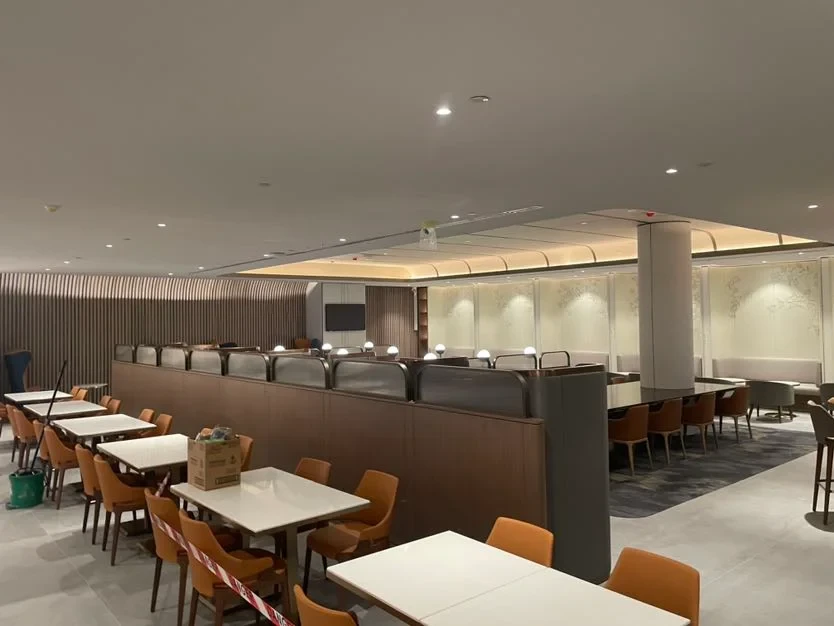

Noise control has become an important factor in modern building design. Whether it’s a residential space, office, or commercial environment, managing sound effectively can improve comfort, productivity, and overall acoustic quality. One of the most effective ways to achieve this is by using acoustic plaster, a specialized finishing material designed to absorb sound and reduce unwanted noise within a space.
Unlike traditional wall finishes, acoustic plaster is engineered to enhance the acoustic performance of ceilings and walls. It is commonly used in spaces where sound clarity and noise reduction are important, such as offices, conference rooms, theatres, restaurants, and residential living areas.
What Is Acoustic Plaster?
Acoustic plaster is a sound-absorbing material applied to walls or ceilings to improve the acoustic environment of a room. It works by allowing sound waves to pass through the surface and into a porous structure behind the plaster, where the sound energy is absorbed and reduced.
This technology helps prevent sound from reflecting off hard surfaces, which is one of the main causes of echo and reverberation in interior spaces. By controlling these reflections, acoustic plaster creates a quieter and more comfortable indoor environment.
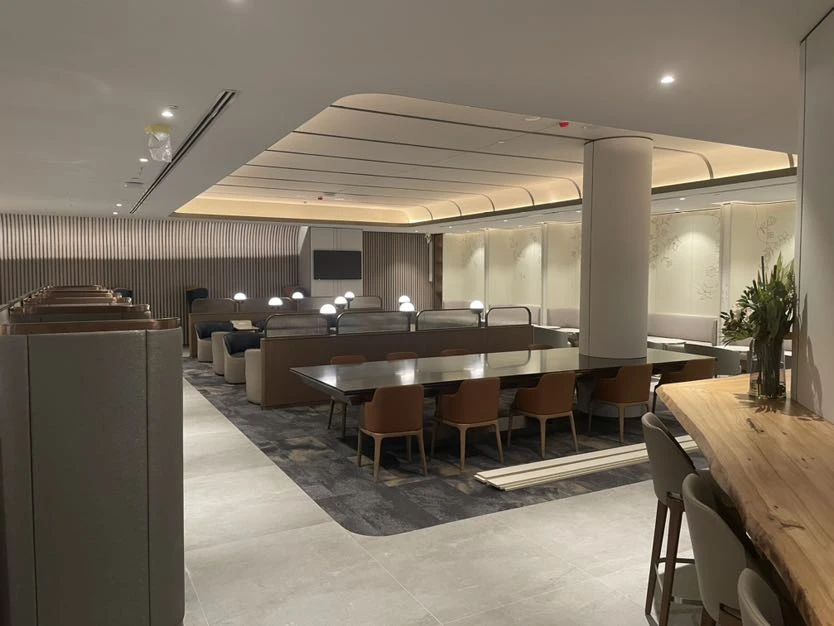
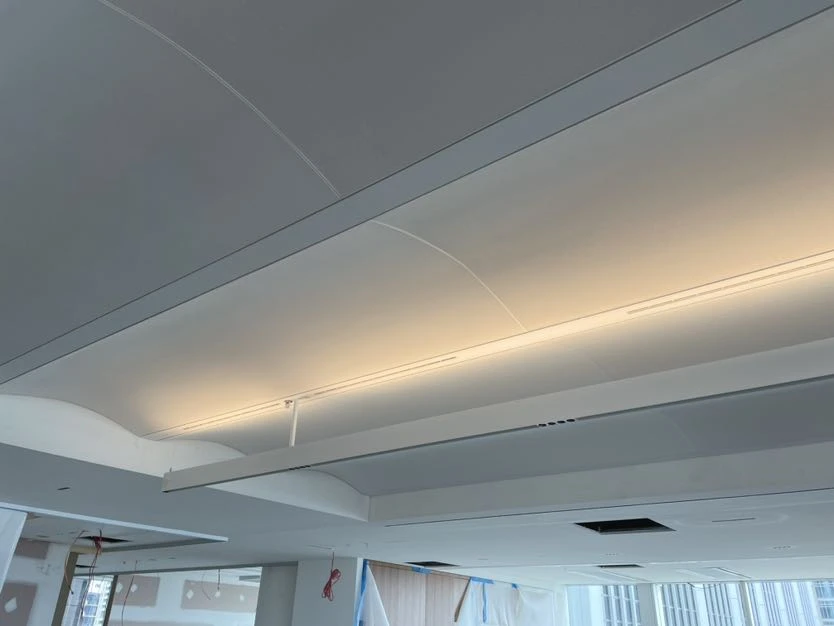
Another advantage of acoustic plaster is its smooth and seamless finish. Unlike acoustic panels that are installed in sections, acoustic plaster provides a continuous surface, making it ideal for modern architectural designs.
Benefits of Acoustic Plaster
One of the main advantages of acoustic plaster is its ability to significantly reduce noise levels. By absorbing sound energy, it minimizes echo and improves speech clarity, which is especially beneficial in workplaces and educational settings.
Another key benefit is its aesthetic appeal. Acoustic plaster can be applied to create a clean, smooth finish that blends seamlessly with modern interior design. This allows architects and designers to maintain a minimalist appearance while still achieving effective sound control.
Durability is also an important factor. High-quality acoustic plaster systems are designed to maintain their performance over time, ensuring that sound control remains effective for years.
Additionally, acoustic plaster contributes to improved comfort in shared environments. Reducing background noise helps create a more relaxing atmosphere in residential settings and supports better concentration in workplaces.
Where Acoustic Plaster Is Commonly Used
Acoustic plaster is widely used in a variety of environments where sound quality is important. In offices and commercial buildings, it helps reduce noise from conversations and equipment, creating a more productive workspace.
In restaurants and hospitality venues, acoustic plaster helps control background noise, allowing customers to enjoy conversations without excessive sound levels.
Residential spaces can also benefit from acoustic plaster, particularly in open-plan homes where sound can travel easily between rooms. Installing acoustic plaster helps create a more balanced and peaceful living environment.
Educational institutions, theatres, and auditoriums also rely on acoustic plaster to maintain clear sound quality and minimize echoes.
Installation and Performance
The installation of acoustic plaster typically involves applying the material over a specially designed acoustic backing system. This combination allows sound waves to be absorbed efficiently while maintaining a smooth and attractive surface.
Professional installation is important to ensure the acoustic system performs as intended. Proper application ensures that the plaster maintains its sound-absorbing properties while achieving the desired visual finish.
Once installed, acoustic plaster requires minimal maintenance and continues to provide effective sound control throughout its lifespan.
Why Acoustic Design Matters
Good acoustic design is essential in modern architecture. Excessive noise can negatively impact comfort, communication, and productivity in both residential and commercial spaces.
By incorporating acoustic plaster in Melbourne into interior design, property owners can create spaces that not only look modern but also offer improved sound quality and overall comfort. This solution is increasingly used in offices, restaurants, educational facilities, and residential projects where managing noise is important.
As more people recognize the importance of well-designed acoustic environments, solutions such as acoustic plaster in Melbourne continue to gain popularity in contemporary building and renovation projects.



























Sign in to leave a comment.