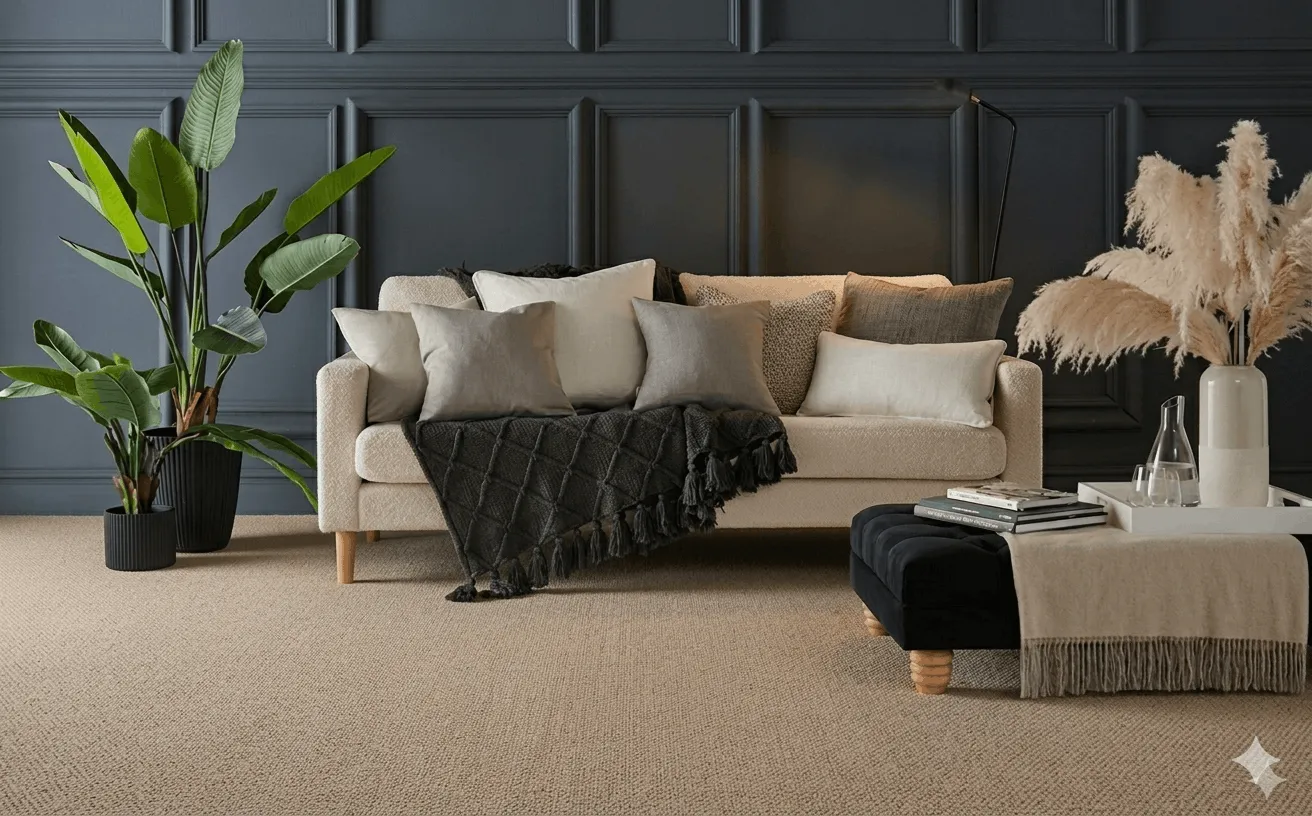

If your home feels chilly no matter how high the heating goes, your floors could be part of the problem. Cold floors pull heat away from a room, make your home feel draughty, and can even push your energy bills up. Underfloor heating and / or Insulating between floor joints beneath the floor is the best solution, however not everyone has the budget to undertake such building work. The next best thing is to have the right underlay and carpet.
The good news? The right flooring makes a real difference. This guide covers the warmest flooring options for UK homes, which rooms they suit best, and how to get the most out of your choice, without spending a fortune.
Why Your Flooring Affects How Cold Your Home Feels
Floors lose more heat than most people realize. Up to 10% of a home's heat can escape through the floor, especially if there's no proper insulation underneath.
Hard, thin flooring, like bare floorboards or tiles, conducts cold upward. You feel it the moment you step out of bed in the morning. Soft or thick flooring, on the other hand, traps air and acts as a natural barrier between you and the cold beneath.
This is especially important in UK homes, where older terraced houses, Victorian builds, and flats above garages are notoriously cold at floor level.
At Carpets Online, we've helped thousands of UK homeowners choose flooring that improves comfort and reduces the feeling of cold floors. In our experience, customers looking for the warmest option consistently choose thick polypropylene or wool carpets paired with a high-quality underlay. While LVT and vinyl have their place, carpet remains the most popular choice for bedrooms, living rooms, and other areas where warmth is a priority.
The Warmest Flooring Options for Cold UK Homes
1. Carpet - The Warmest Choice Overall
Carpet is the warmest flooring you can put in a UK home. Full stop.
It works because the fibres trap air, and trapped air is one of the best natural insulators around. A thick carpet with a good underlay underneath is like putting a warm layer on your floor. You'll notice the difference immediately.
Best for: Bedrooms, living rooms, hallways, and stairs.
What to look for:
- Thickness & Density: The denser and thicker the pile, the warmer it feels underfoot. Look for carpets with a pile height of 15mm or more.
- Fibre type: Wool is naturally the warmest carpet fibre. Polypropylene is a great budget-friendly alternative and still much warmer than hard flooring.
- Twist pile or saxony: Both hold their shape well and feel soft and warm underfoot.
Tip: Don't skip the underlay. A good quality underlay adds an extra layer of insulation and makes your carpet feel even warmer. It also helps your carpet last longer.
2. Luxury Vinyl Tile (LVT) with Underfloor Heating
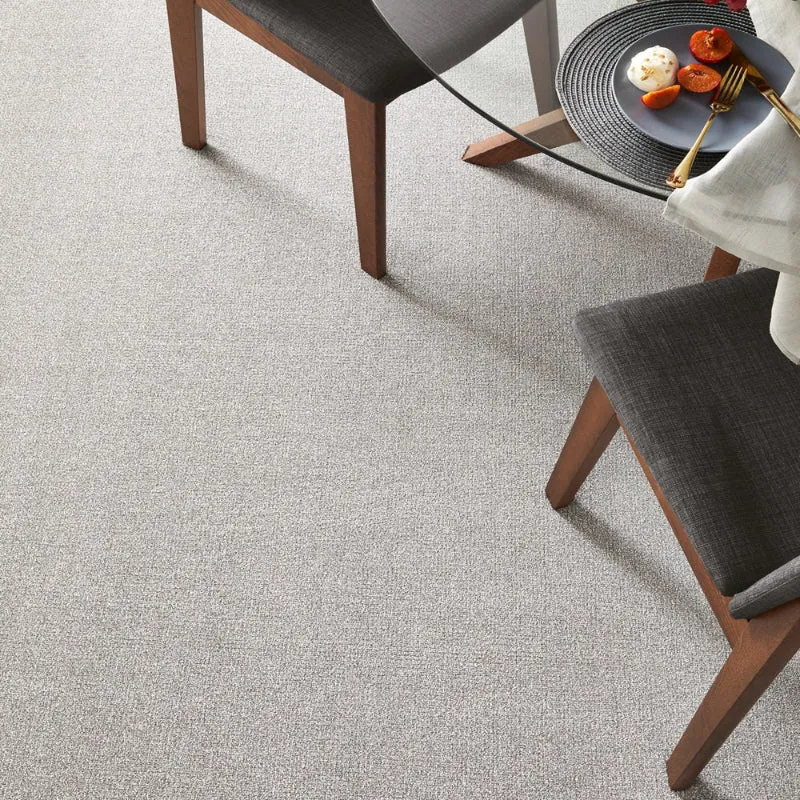
If you need something waterproof for a kitchen or bathroom, LVT (luxury vinyl tile) is a smart choice, especially when paired with underfloor heating.
On its own, LVT is not particularly warm. It's a thin, hard surface. But it conducts heat from below extremely well, which makes it ideal if you're installing underfloor heating. The floor warms up quickly and holds that warmth for a long time.
Best for: Kitchens, bathrooms, utility rooms, and extensions.
What to look for:
- Make sure the LVT is compatible with underfloor heating; most are, but always check.
- Choose a slightly thicker LVT (5mm or above) for better insulation and a more comfortable feel underfoot.
3. Vinyl Flooring with Foam Backing
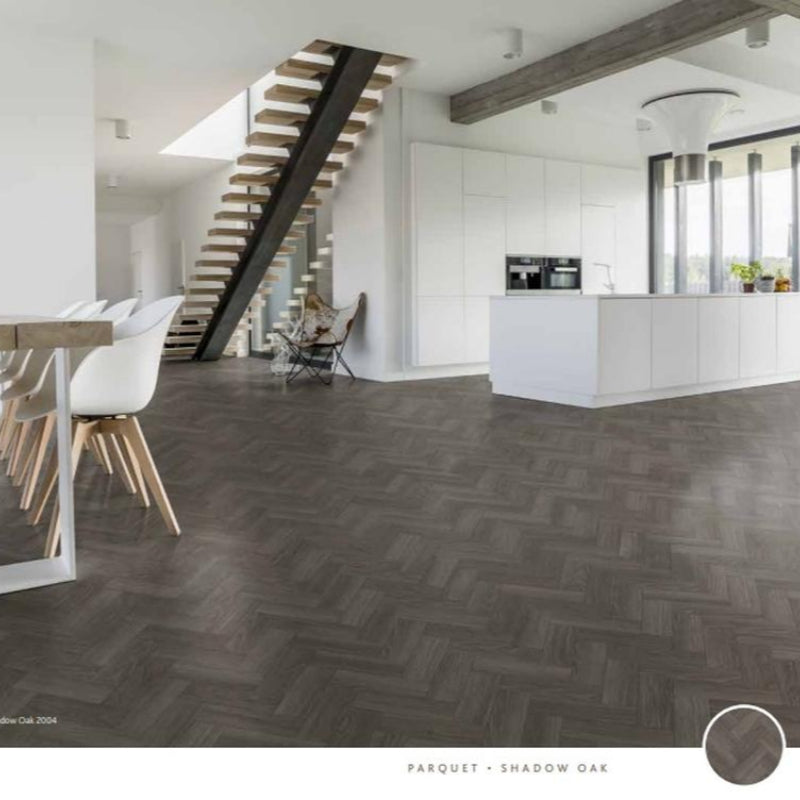
Standard vinyl flooring is not the warmest option, but vinyl sheets with a foam or felt backing are much better than the thin versions. It won't match carpet for warmth, but it's a practical, budget-friendly choice for rooms that need to be easy to clean.
Best for: Hallways, kitchens, and downstairs toilets.
What to look for:
- Foam-backed or cushion vinyl rather than plain flat vinyl.
- Wood-effect designs are popular and look great in UK living spaces.
4. Underlay
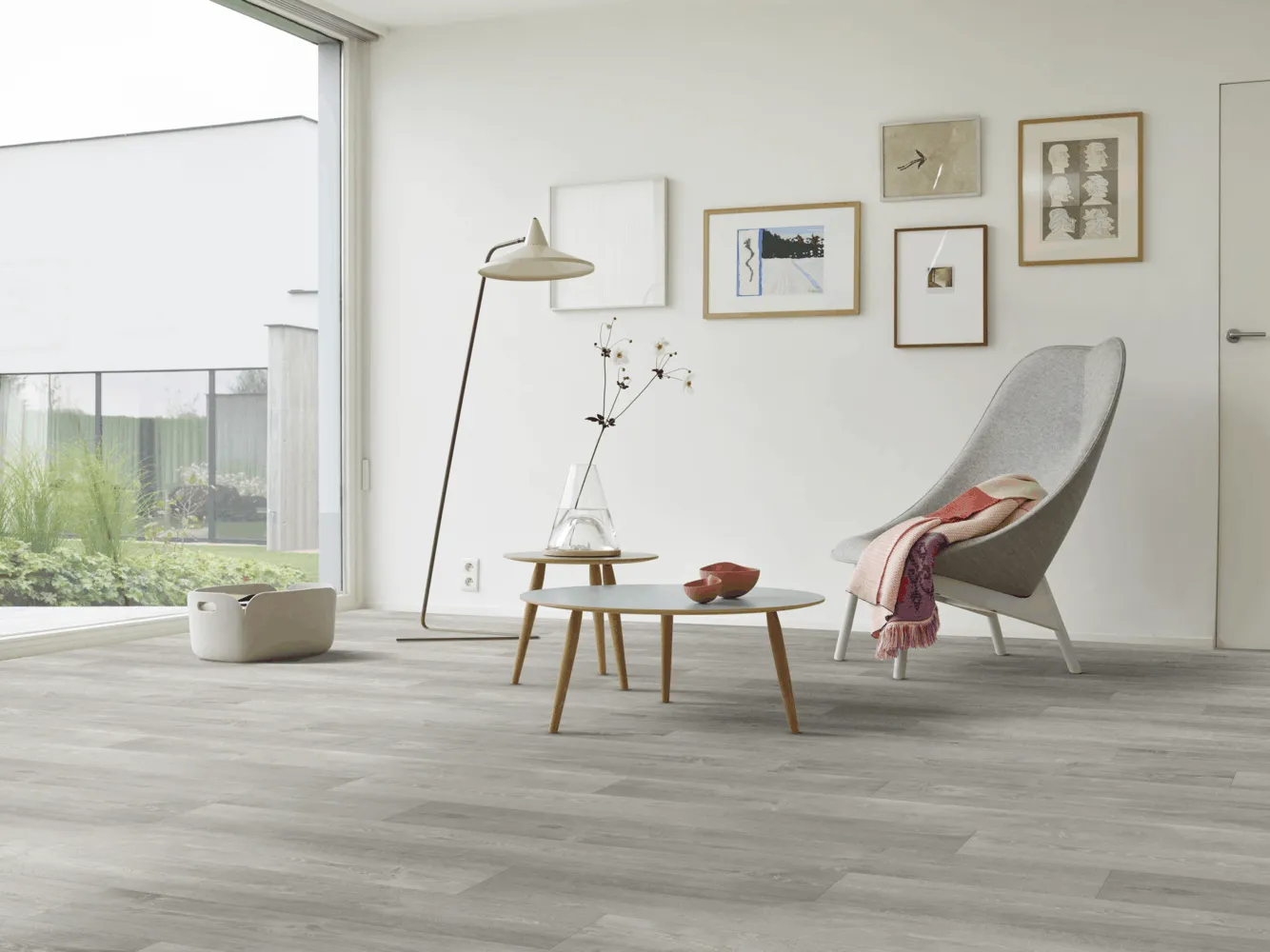
Whatever flooring you choose, underlay is one of the best things you can do to keep heat in.
A good underlay sits beneath your carpet or LVT and creates an insulating layer between the floor and your room. It increases the thermal resistance of your floor, which simply means less heat escapes downward.
For carpet, a thick felt or crumb rubber underlay is ideal. Look for one with a high tog rating & good densirty, this is the same measurement used for duvets, and it works the same way. The higher the tog, the better it insulates.
Which Flooring Is Warmest - Room by Room?
| Room | Best Warm Flooring Choice |
| Bedroom | Thick dense carpet with felt underlay |
| Living Room | Carpet (twist pile or saxony) |
| Hallway | Carpet or foam-backed vinyl |
| Kitchen | LVT with underfloor heating |
| Bathroom | LVT or cushion vinyl |
| Stairs | Twist pile carpet |
| Conservatory | Carpet or insulated LVT |
Carpet vs Vinyl: Which Is Warmer?
Carpet wins on warmth, every time. It naturally traps heat, feels warm underfoot, and works without any extra heating system underneath it.
Vinyl, even good quality LVT, is a hard surface that starts off cold. It can be made warm with underfloor heating, but that adds cost.
If warmth is your main concern and you're choosing between carpet and vinyl for a room like a bedroom or living room, carpet is the better pick.
If you need easy cleaning in a kitchen or bathroom and warmth is secondary, vinyl with underfloor heating is the practical answer.
Does the Colour of Carpet Affect How Warm a Room Feels?
Not in a physical sense, colour doesn't change the insulating properties of carpet. But it can affect how warm a room looks and feels psychologically.
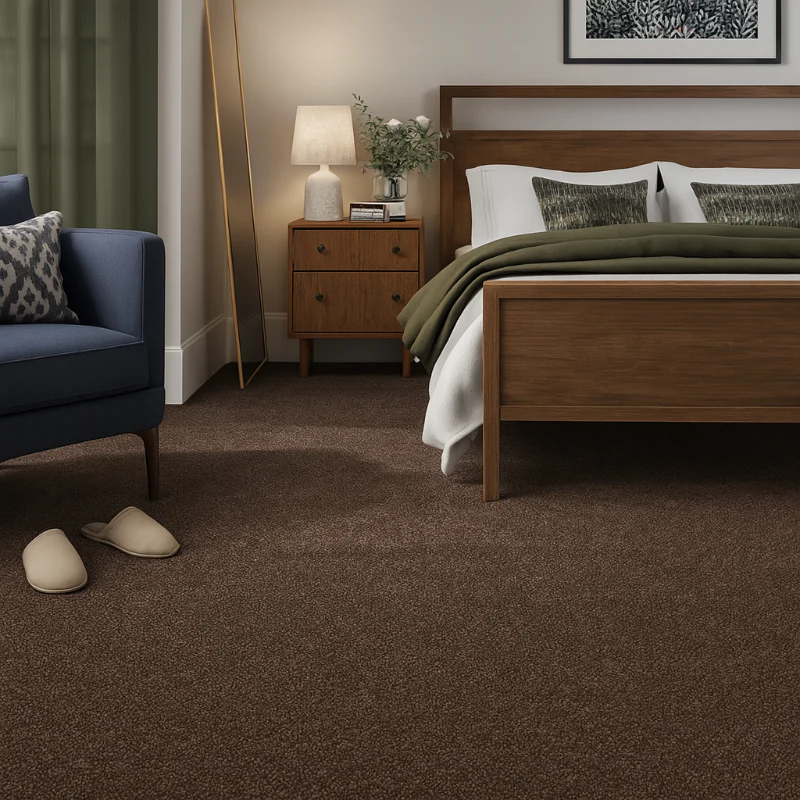
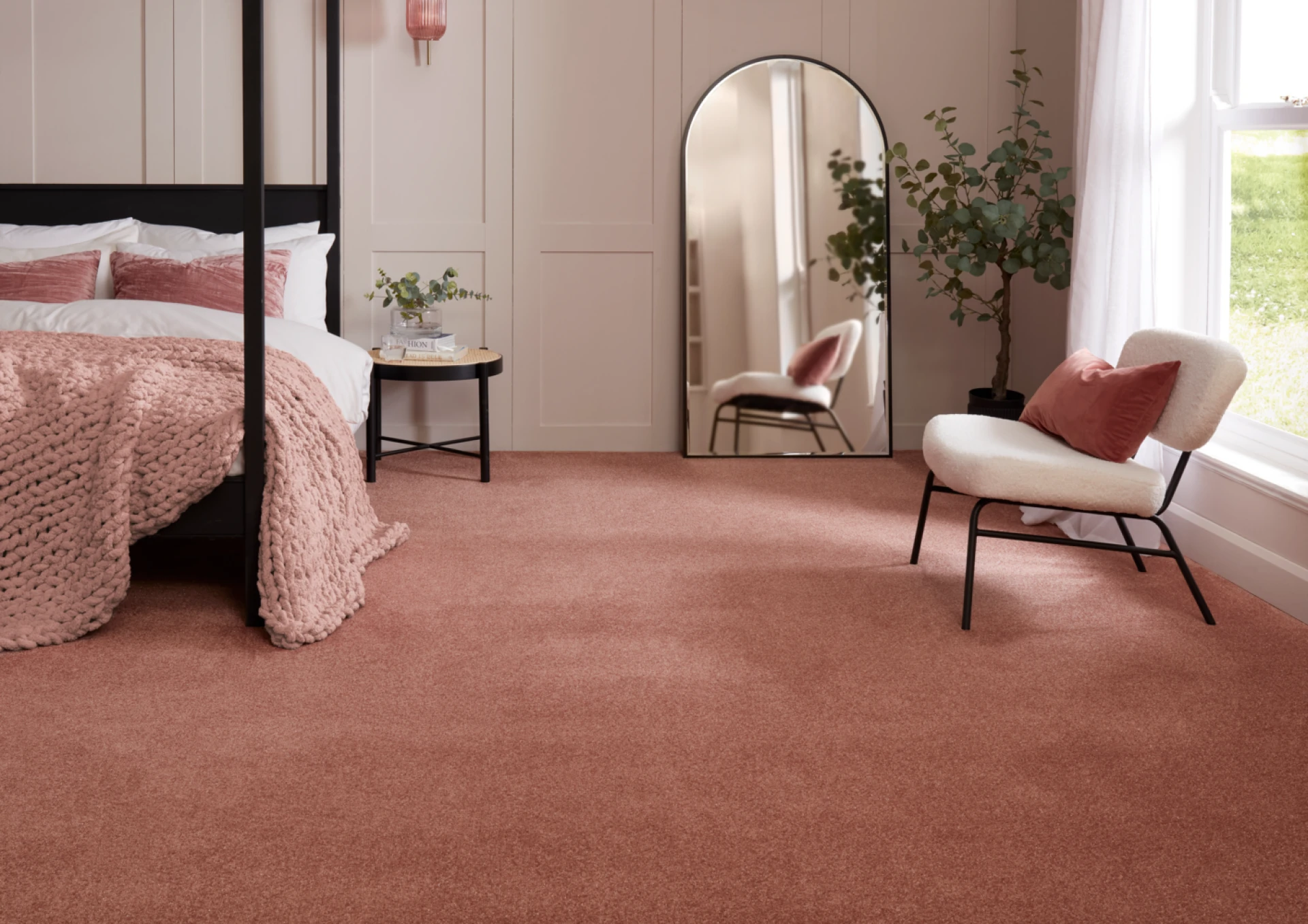
Warm tones like cream, beige, brown, and terracotta make a space feel cosier. Cooler tones like grey and blue can make a room feel slightly colder even if the temperature is the same.
If you're trying to make a cold-feeling room feel warmer, choosing a warm neutral carpet colour helps.
How to Get the Most Warmth from Your Flooring
Here are a few practical things you can do alongside choosing the right flooring:
- Add a rug on hard floors. If you have vinyl or LVT in a room that feels cold, a large rug covers a significant portion of the floor and adds insulation. It's a simple fix that makes a real difference.
- Check your subfloor. If the floor underneath your carpet or vinyl is uninsulated concrete or old timber with gaps, heat will still escape. Adding an insulation board before laying your flooring helps.
- Choose the right underlay. As mentioned above, underlay is cheap compared to the cost of fitting new flooring, but it makes a big difference to warmth and comfort.
- Consider fitted carpet over rugs alone. A rug helps, but fitted carpet that covers the whole floor is more effective at keeping heat in.
Frequently Asked Questions
What is the warmest type of flooring for a bedroom in the UK?
A thick carpet, ideally wool or polypropylene, with a quality felt underlay, is the warmest option for a bedroom. It insulates the floor, feels soft underfoot, and helps keep the room cosy even on cold mornings.
Does carpet actually keep a room warmer?
Yes. Carpet fibres trap air, which is a natural insulator. A well-fitted carpet with underlay can significantly reduce heat lost through the floor and make a room feel noticeably warmer.
Is vinyl flooring cold underfoot in a UK home?
Standard vinyl can feel cold underfoot, especially in winter. Choosing foam-backed vinyl or adding underfloor heating underneath LVT improves this considerably.
What underlay is best for keeping heat in?
A high-tog felt or crumb rubber underlay, is the best choice for insulation under carpet. Higher tog ratings mean better heat retention.
Is carpet or LVT better for a conservatory in winter?
Carpet is warmer in a conservatory, but LVT with underfloor heating is a practical alternative if you want something easier to clean. Make sure any LVT you choose is rated for temperature fluctuations, as conservatories can get very hot in summer.
Final Words
If warmth is your priority, carpet remains the best flooring choice for most UK homes. Combined with a quality underlay, it provides excellent insulation, comfort, and energy efficiency. At Carpets Online, we recommend matching your flooring choice to the room's needs, balancing warmth, durability, and maintenance requirements. Whatever flooring you choose, investing in proper underlay and floor insulation can make a noticeable difference to comfort and heating costs.



























Sign in to leave a comment.