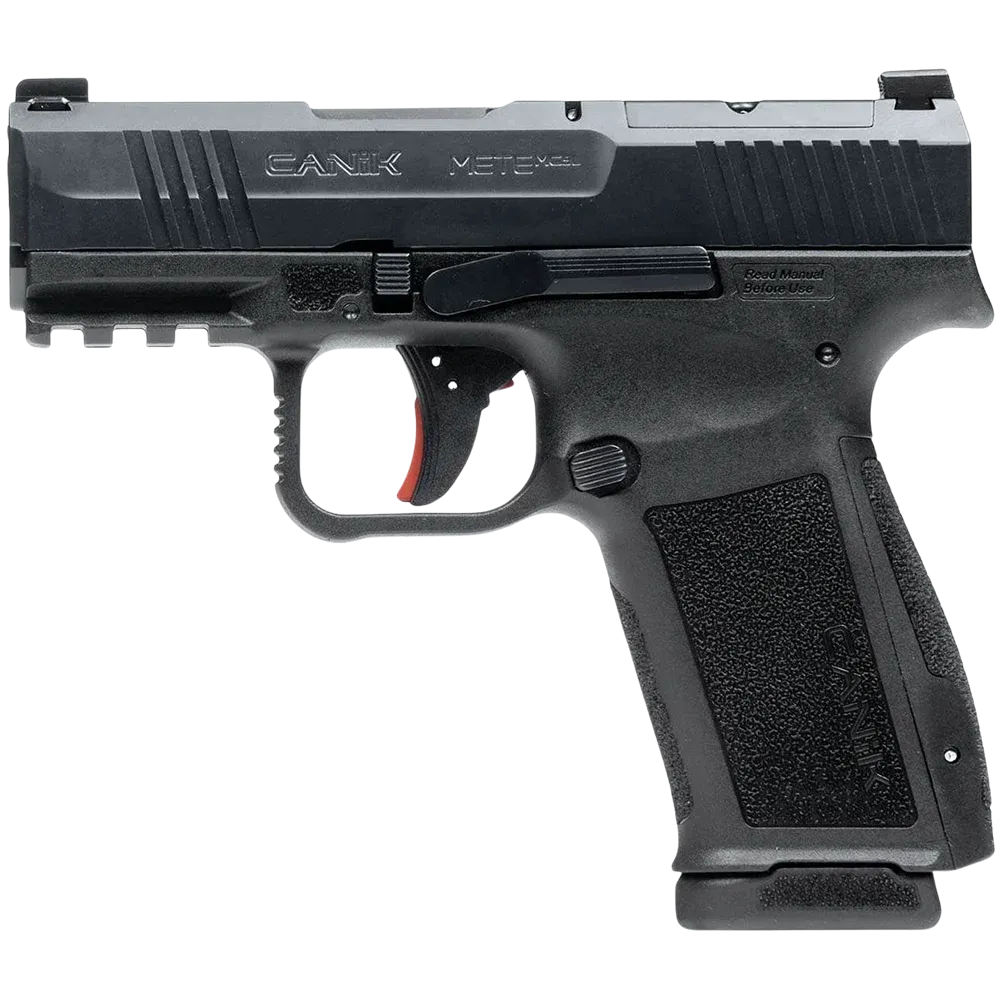

Every shooter eventually asks the same question before buying a new pistol: how does it actually shoot? Specs on paper only tell part of the story. Trigger feel, sight picture, recoil management, and real-world accuracy at practical distances matter far more than a list of features on a box. This breakdown walks through what an honest accuracy test and hands-on shooting session reveal about this increasingly popular compact 9mm platform.
Setting Up a Fair Accuracy Test
A meaningful accuracy test starts with consistency. That means shooting from a stable rest or bag at a fixed distance, typically 15 to 25 yards for a compact defensive pistol, using multiple ammunition types to rule out ammo-specific quirks. Testing with both practice ball ammunition and at least one defensive hollow-point load provides a fuller picture of real-world performance.
It's also worth shooting a mix of slow, deliberate groups and faster strings of fire. A pistol that shoots tight groups only when you take your time isn't giving you the full story, since most defensive encounters demand speed as much as precision.
Group Sizes and What They Actually Mean
In controlled testing from a rest, compact striker-fired 9mm pistols in this class typically produce three to four-inch groups at 15 yards, which is solid performance for a defensive-sized handgun. Rested groups shrink further with quality ammunition and a clean trigger pull, sometimes landing closer to two inches for experienced shooters.
Off-hand groups, meaning standing and unsupported, naturally open up but should still stay within a fist-sized cluster at typical defensive distances for anyone with reasonable trigger control. If groups are noticeably larger than that, it often points to a trigger technique rather than the gun itself.
Sight Picture and Target Acquisition Speed
Beyond raw accuracy, how quickly you can acquire a proper sight picture matters just as much in a real scenario. Factory sights on this platform tend to offer a clean, high-visibility front sight that's fast to pick up, particularly in good lighting.
For shooters planning to add a red dot optic, an optics-ready slide cut simplifies the process considerably. Co-witnessing suppressor-height sights with a dot sped up target transitions noticeably during testing, especially during multi-target drills.
Trigger Performance Under Rapid Fire
A trigger that performs well with slow-firing single shots doesn't always hold up during rapid strings, but this is an area where the platform tends to impress. The reset is short and tactile, letting experienced shooters ride the trigger back to reset quickly without losing sight alignment.
During rapid-fire testing, shot-to-shot times remained competitive with those of pistols costing considerably more, largely thanks to that consistent trigger break and manageable recoil impulse.
Pro Tip: When testing accuracy yourself, always log your results by ammunition brand and grain weight. Many shooters discover their pistol groups noticeably tighter with one specific load, and knowing that in advance means better performance when it counts, whether at a match or in a defensive situation.
Recoil Management and Follow-Up Shots
Compact 9mm pistols often get criticized for snappier recoil due to their shorter grip and lighter weight compared to full-size options. In testing, a lower-bore-axis design helped keep muzzle flip more controlled than expected for the pistol's size class, allowing faster follow-up shots during rapid strings.
This matters directly for real-world accuracy, since a pistol that's harder to manage under recoil naturally produces wider groups and slower splits between shots, regardless of how tight it groups from a rest.
How It Compares to Similarly Priced Competitors?
Placed alongside other compact 9mm pistols in a similar price bracket, this platform generally holds its own or outperforms in trigger quality and sight picture clarity, while matching most competitors in raw group size. Where it sometimes falls slightly behind is aftermarket holster selection, though that gap continues to close as popularity grows.
For shooters weighing accuracy against value, the testing results suggest you're not sacrificing much, if anything, by choosing this option over pricier alternatives.
Final Thoughts
Accuracy testing only tells part of the story, but it's an essential part. Consistent groups, a manageable recoil impulse, and a trigger that performs the same shot after shot all build toward genuine shooting confidence, which matters more than any spec sheet number. Based on rested and off-hand testing across multiple ammunition types, the Canik Mete Mc9 delivers accuracy and shootability that comfortably justify a closer look for anyone shopping in this compact 9mm category.

























Sign in to leave a comment.