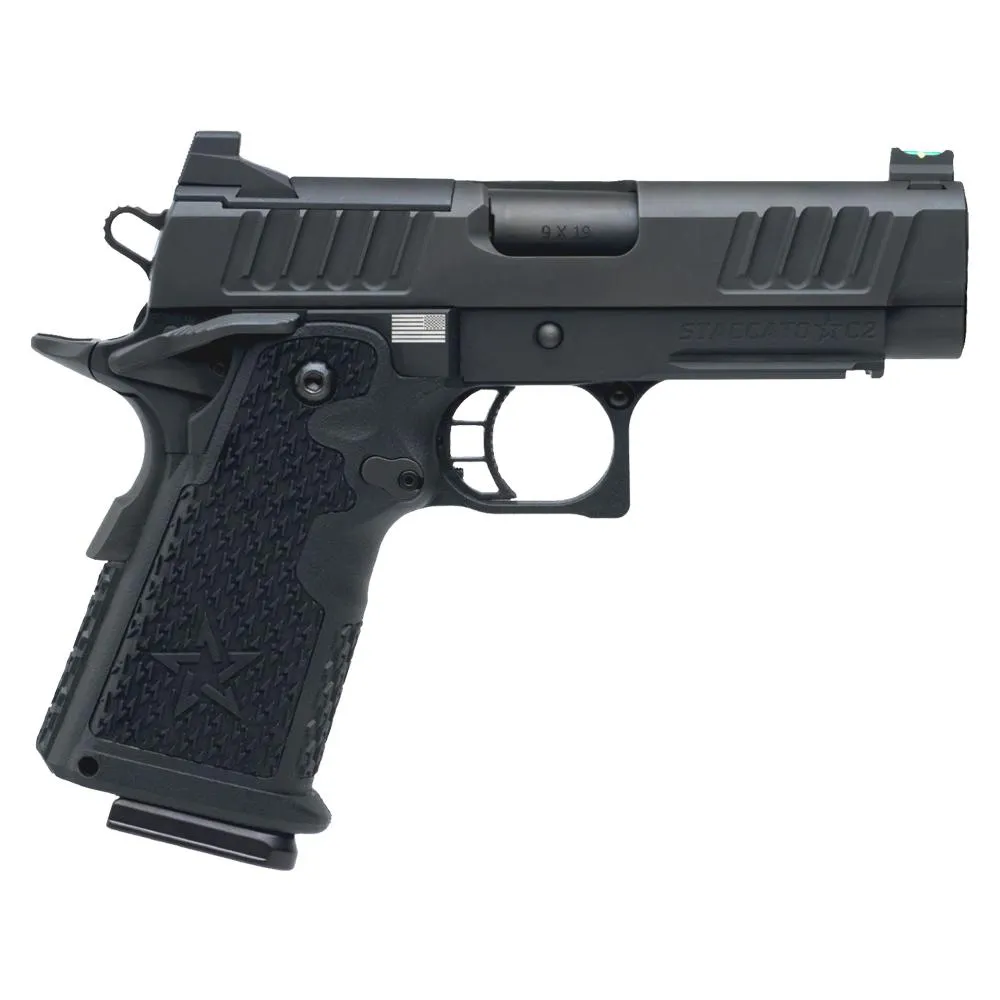

When a law enforcement agency selects a duty firearm, the decision isn't made lightly. Lives depend on it. Officers carry their sidearm every single day, often for years, through all kinds of conditions, and the firearm has to perform without question every time it's needed. So when agencies across the United States started moving toward one particular platform in growing numbers, the industry took notice.
The shift wasn't driven by marketing. It was driven by performance. Here's a clear-eyed look at exactly why these handguns have earned such serious institutional trust.
Reliability Is Non-Negotiable in the Field
For law enforcement, reliability isn't a feature; it's a baseline requirement. A firearm that malfunctions under stress isn't just frustrating; it's dangerous. Agencies need weapons that cycle consistently across ammunition types, temperature extremes, and varying maintenance schedules across large departments.
These handguns have built a reputation for running hard under demanding conditions. Officers report high round counts with minimal malfunctions, and the platform's tight manufacturing tolerances, far above most production pistols, contribute directly to that consistency. When reliability is your first filter, this platform clears it comfortably.
The 2011 Platform Offers a Tactical Advantage
Most law enforcement agencies spent decades issuing polymer striker-fired pistols. They're reliable, affordable, and easy to train on. So why would departments make the switch to a more expensive, single-action 2011 platform? The answer comes down to what the platform actually delivers at the moment of use.
The single-action trigger on a 2011 breaks cleanly and resets short. That translates to faster, more accurate follow-up shots, a crucial advantage in high-stress encounters where precision and speed both matter. Look for this distinction when comparing trigger systems: the difference between a five-pound striker pull and a crisp two-and-a-half-pound single-action break is felt and measured immediately under pressure.
Ergonomics That Support Officer Performance
A firearm is only as effective as the person holding it. Ergonomics plays a significant role in how quickly an officer can draw, acquire a target, and shoot accurately under stress. These handguns are engineered with that reality in mind.
The grip profile fits naturally in a wide range of hand sizes, and the grip texture provides confident purchase without being abrasive during extended carry. The natural point-of-aim is a key advantage; officers who train with a firearm that points instinctively shoot more accurately when adrenaline narrows their focus. Ergonomics isn't cosmetic. In a duty context, they're essential.
Capacity Without Compromise
Modern law enforcement demands adequate capacity. Threat scenarios have evolved, and agencies need firearms that give officers enough rounds to handle complex, multi-threat situations without sacrificing the shootability that comes with a well-designed grip.
The double-stack 2011 design addresses this directly. It delivers a high-capacity magazine in a frame that remains slimmer and more ergonomic than many full-size polymer alternatives. Consider what that means operationally: more rounds available without the wide, blocky grip that can reduce control and slow the draw. It's a meaningful engineering achievement that agencies have recognized.
Durability Through High-Volume Institutional Use
Individual shooters put hundreds or thousands of rounds through their firearms each year. Law enforcement training programs put tens of thousands. A duty pistol must hold up through that volume of use without degrading in accuracy, reliability, or function.
The materials and manufacturing processes behind these handguns are designed for sustained use. Stainless steel frames and barrels with durable, corrosion-resistant finishes are standard, not upgrades. Another factor to keep in mind is that institutional durability also means lower long-term costs for agencies. A firearm that holds up for years without requiring early replacement or frequent repairs is a sound investment at scale.
Training Compatibility and Transition
Switching a department's duty firearm is a logistical undertaking. Officers need to retrain, armorer certification must be updated, and spare parts and support infrastructure must be established. Agencies don't make that transition unless the benefits clearly justify the effort.
The transition to this platform has been smoothed by a strong support infrastructure, widely available training resources, and a design that experienced handgun shooters adapt to quickly. Ensure your training program accounts for the single-action manual of arms; it differs from striker-fired systems, but most officers report a fast and positive adjustment once they get range time behind the platform.
Pro Tip: Agencies transitioning from striker-fired duty pistols should build in dedicated dry-fire sessions focused on the manual of arms before live-fire qualification. It accelerates the adjustment and builds the muscle memory officers need under stress.
The Trust of Real-World Deployment
Reputation in law enforcement is built in the field, not in manufacturer presentations. The growing list of agencies, including federal units, state police departments, and municipal forces, that have adopted this platform speaks louder than any marketing claim.
Officers who carry these handguns daily and depend on them professionally have validated what the specifications suggest on paper. That kind of real-world endorsement carries significant weight. When agencies with rigorous procurement standards independently arrive at the same choice, the pattern is worth paying attention to.
Final Thoughts
Law enforcement agencies are among the most demanding and discerning firearm buyers in the world. They don't choose a duty weapon based on trend or aesthetics; they choose based on what saves lives and supports officers in the field. The growing adoption of this platform across agencies of every size and type reflects a clear and well-earned verdict. For civilians, competitive shooters, and professionals evaluating their options, the institutional endorsement behind Staccato Pistols is one of the most compelling reasons to take a serious look at what this platform genuinely offers.


























Sign in to leave a comment.