

When recovering from an injury, accident, surgery, or ongoing physical problem, it can be difficult to know which type of rehabilitation support is appropriate. Two terms that commonly appear are active rehabilitation and physiotherapy.
Understanding Active Rehab vs Physiotherapy can help people recognize the different roles these approaches may play during recovery. They are not necessarily alternatives where someone must choose one permanently. Depending on the injury and stage of recovery, both can be part of a broader rehabilitation plan.
What Is Physiotherapy?
Physiotherapy is a healthcare profession focused on assessing and treating physical conditions that affect movement and function.
A physiotherapist may assess an injury, develop a treatment plan, provide manual therapy, prescribe therapeutic exercises, and use other treatment techniques depending on the individual's condition.
Physiotherapy can be particularly relevant during the early stages of an injury when an assessment is needed to understand the problem and determine an appropriate treatment approach.
SNS Fitness Rehab describes physiotherapy as including injury assessment, diagnosis, manual therapy, therapeutic exercise, and other clinical treatment approaches.
What Is Active Rehabilitation?
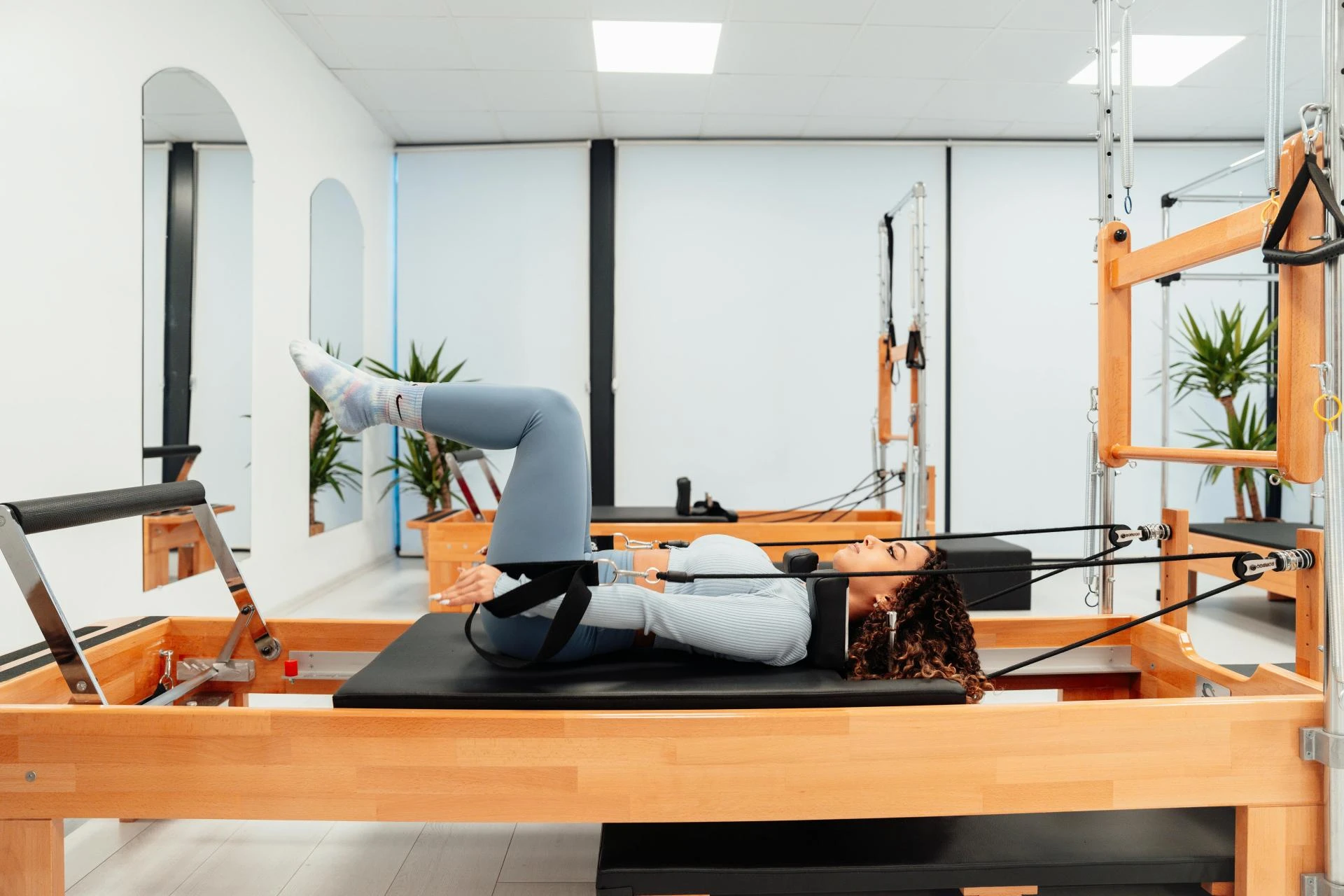
Active rehabilitation focuses heavily on movement and exercise.
Instead of relying primarily on passive treatment, active rehab involves the individual actively participating in exercises designed to improve strength, mobility, endurance, coordination, and function.
A program can be progressively adjusted as the person's physical capacity improves.
For example, someone recovering from an injury may begin with simple mobility or strengthening exercises and gradually progress toward more demanding movements that reflect work, sport, or everyday activities.
Active Rehab vs Physiotherapy: The Main Difference
One simple way to understand the distinction is to look at the primary focus.
Physiotherapy can involve clinical assessment, diagnosis, hands-on treatment, modalities, and therapeutic exercise.
Active rehabilitation places greater emphasis on active participation through structured movement and progressive exercise.
However, there can be overlap. Physiotherapists also prescribe exercises, while kinesiologists involved in active rehabilitation may work alongside physiotherapists as part of a coordinated recovery plan.
When Physiotherapy May Be Appropriate
Physiotherapy may be particularly useful when someone has a new injury and needs an assessment or diagnosis.
Examples can include:
- Acute musculoskeletal injuries
- Post-surgical rehabilitation
- Significant pain or movement limitations
- Sports injuries
- Joint or muscle problems
- Conditions requiring clinical assessment
A physiotherapist can evaluate the condition and determine what treatment and rehabilitation strategies may be appropriate.
If symptoms are severe, sudden, or unexplained, seeking an appropriate healthcare assessment should take priority over beginning an independent exercise program.
When Active Rehabilitation May Be Appropriate
Active rehabilitation can become especially useful when the focus shifts toward rebuilding physical capacity.
This can include:
- Regaining strength
- Improving mobility
- Increasing endurance
- Returning to work
- Returning to recreational activities
- Preparing to return to sport
- Improving movement patterns
- Building confidence with physical activity
A kinesiologist can design progressive exercise programs around these goals. According to SNS Fitness Rehab's educational material, kinesiology focuses on movement science and exercise-based rehabilitation, including progressive programs and sport-specific conditioning.
Can Active Rehab and Physiotherapy Work Together?
Yes. Rehabilitation does not always follow a single straight path.
A person might initially see a physiotherapist for assessment and treatment and later place greater emphasis on active exercise and strength development.
In other cases, physiotherapy and active rehabilitation may happen during overlapping stages.
The exact combination depends on the person's injury, goals, treatment plan, and healthcare recommendations.
SNS Fitness Rehab notes that kinesiologists and physiotherapists can work together and that their roles can complement one another during different stages of recovery.
The Importance of Progressive Exercise
One of the central ideas behind active rehabilitation is progression.
An exercise that is appropriate early in recovery may eventually become too easy to continue producing meaningful improvement. As the person adapts, the program can be modified.
Progression may involve increasing:
- Resistance
- Repetitions
- Exercise complexity
- Range of motion
- Balance demands
- Cardiovascular workload
- Sport-specific movements
The objective is to gradually increase physical capacity while keeping the program appropriate for the individual's current condition.
Choosing the Right Support
When considering Active Rehab vs Physiotherapy, it is useful to ask what you need at your current stage.
If you need an assessment or diagnosis of a new physical problem, physiotherapy or another appropriate healthcare professional may be an important starting point.
If you have already been assessed and need structured exercise to rebuild strength, movement, endurance, or function, active rehabilitation may be relevant.
For some people, the answer may involve both.
Active Rehabilitation in Vancouver
People searching for active rehabilitation in Vancouver should consider the professional's qualifications, experience, assessment process, and approach to exercise programming.
A useful rehabilitation program should be individualized rather than based entirely on a generic list of exercises.
At SNS Fitness Rehab, kinesiology and active rehabilitation are centered around progressive exercise and movement-based recovery.
Final Thoughts
Understanding Active Rehab vs Physiotherapy is less about deciding which approach is universally better and more about understanding what each professional and approach is designed to provide.
Physiotherapy can involve assessment, diagnosis, clinical treatment, and therapeutic exercise, while active rehabilitation emphasizes active participation and progressive exercise to rebuild physical capacity.
Depending on the injury and stage of recovery, these approaches can complement each other. The most appropriate path should be based on the individual's condition, goals, and guidance from qualified healthcare professionals.






















Sign in to leave a comment.