
Insomnia, the persistent difficulty with sleep initiation, duration, consolidation, or quality that occurs despite adequate opportunity for sleep, is a common and distressing condition. While chronic insomnia poses a significant long-term health burden, acute insomnia, lasting from a few days to a few weeks, can be equally debilitating in the short term, impacting daily functioning, mood, and overall well-being. This comprehensive guide delves into understanding acute insomnia and explores solutions for both sleep initiation and maintenance difficulties, with a particular focus on the non-benzodiazepine hypnotic, zopiclone, its active ingredient, and a prominent brand name, Zimovane.
Understanding Acute Insomnia
Acute insomnia is often triggered by identifiable stressors, such as personal crises, work-related pressures, travel (jet lag), illness, or significant life changes. Unlike chronic insomnia, which can involve complex underlying factors, acute insomnia is typically a transient response to these external pressures. While it usually resolves once the stressor is removed or adapted to, the immediate impact can be severe. Individuals experiencing acute insomnia may report:
- Difficulty falling asleep (sleep initiation difficulty): Lying awake for extended periods, feeling restless and unable to quiet the mind.
- Difficulty staying asleep (sleep maintenance difficulty): Waking up frequently during the night, often with trouble falling back asleep.
- Early morning awakenings: Waking up much earlier than desired and being unable to return to sleep.
- Non-restorative sleep: Feeling unrefreshed and tired even after a seemingly adequate amount of sleep.
These sleep disturbances can lead to a cascade of daytime consequences, including fatigue, irritability, difficulty concentrating, impaired performance at work or school, and increased accident risk. Addressing acute insomnia promptly is crucial to prevent it from spiralling into a chronic condition and to mitigate its immediate negative effects.
Strategies for Managing Acute Insomnia
Effective management of acute insomnia typically involves a multi-pronged approach that combines behavioural strategies, sleep hygiene improvements, and, in some cases, pharmacological interventions.
1. Behavioural and Cognitive Strategies
Even in acute situations, establishing healthy sleep habits can significantly improve sleep quality. These strategies are often the first line of defence:
- Relaxation Techniques: Techniques such as deep breathing exercises, progressive muscle relaxation, or meditation can help calm the nervous system and prepare the body for sleep. Guided imagery or mindfulness exercises can also be beneficial in diverting anxious thoughts.
- Cognitive Restructuring: For some, anxious thoughts about sleep ("I'll never fall asleep," "I need to get at least eight hours") can create a self-fulfilling prophecy. Challenging these negative thoughts and replacing them with more realistic and positive ones can reduce performance anxiety related to sleep.
- Stimulus Control: This involves associating the bed and bedroom only with sleep and intimacy. If unable to sleep after 20 minutes, getting out of bed and engaging in a quiet, non-stimulating activity until feeling sleepy again helps break the association of the bed with wakefulness and frustration.
- Sleep Restriction (Carefully Applied): While counterintuitive, temporarily reducing the time spent in bed can help consolidate sleep. This strategy should be implemented with caution and ideally under the guidance of a healthcare professional, as it can initially lead to increased daytime sleepiness.
2. Optimising Sleep Hygiene
Good sleep hygiene practices are fundamental for promoting restorative sleep, regardless of the duration of insomnia. These practices create an environment conducive to sleep:
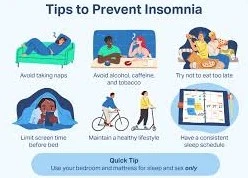
- Maintain a Regular Sleep Schedule: Going to bed and waking up at roughly the same time each day, even on weekends, helps regulate the body's natural sleep-wake cycle (circadian rhythm).
- Create a Conducive Sleep Environment: Ensure the bedroom is dark, quiet, and cool. Block out light with blackout curtains, use earplugs or a white noise machine to muffle sounds, and maintain a comfortable room temperature.
- Limit Stimulants: Avoid caffeine and nicotine, especially in the afternoon and evening, as they can interfere with sleep.
- Limit Alcohol: While alcohol may initially induce sleepiness, it disrupts sleep architecture later in the night, leading to fragmented and non-restorative sleep.
- Avoid Heavy Meals Before Bed: A light snack is acceptable, but heavy, rich meals close to bedtime can cause indigestion and discomfort, interfering with sleep.
- Regular Physical Activity: Engaging in regular exercise during the day can promote better sleep, but avoid vigorous exercise too close to bedtime.
- Wind-Down Routine: Establish a relaxing routine before bed, such as taking a warm bath, reading a book (non-electronic), or listening to calming music. Avoid screens (phones, tablets, computers, TV) for at least an hour before sleep, as the blue light emitted can suppress melatonin production.
3. Pharmacological Interventions: Zopiclone
When behavioural and sleep hygiene strategies alone are insufficient to manage acute insomnia, short-term use of hypnotic medications may be considered. Zopiclone is a widely prescribed medication for this purpose.
Zopiclone: A Non-Benzodiazepine Hypnotic
Zopiclone is a medication primarily used for the short-term treatment of insomnia. It belongs to a class of drugs known as non-benzodiazepine hypnotics, sometimes referred to as "Z-drugs" due to their names typically starting with "Z" (e.g., zolpidem, zaleplon, zopiclone). While structurally different from benzodiazepines, Z-drugs share a similar mechanism of action, selectively binding to a specific subtype of the gamma-aminobutyric acid (GABA) receptor complex in the brain.
Active Ingredient: Non-Benzodiazepine Hypnotic
The term "non-benzodiazepine hypnotic" precisely describes the active ingredient in zopiclone. Let's break down what this means:
- Hypnotic: This refers to the primary therapeutic effect of the drug – its ability to induce and maintain sleep. Hypnotics are central nervous system depressants that slow down brain activity, making it easier to fall asleep and stay asleep.
- Non-Benzodiazepine: This distinguishes zopiclone from traditional benzodiazepine medications like diazepam or lorazepam. While both classes of drugs enhance GABAergic neurotransmission (GABA is the brain's primary inhibitory neurotransmitter, reducing neuronal excitability), Z-drugs are thought to be more selective in their action. This selectivity is believed to result in a better side-effect profile compared to benzodiazepines, particularly in terms of reduced muscle relaxant and anxiolytic effects, and potentially a lower risk of dependence and withdrawal. However, these risks are still present with Z-drugs.
Mechanism of Action: Zopiclone acts by modulating the GABA-A receptor complex. Specifically, it binds to a distinct site on the α1 subunit of the GABA-A receptor. This binding enhances the inhibitory effects of GABA, leading to a hyperpolarisation of neurons and a reduction in neuronal excitability. The net effect is a calming of brain activity, promoting sleep. The α1 subunit is particularly abundant in brain regions involved in sleep, which contributes to the hypnotic specificity of zopiclone.
Brand Name: Zimovane
"Zimovane" is a well-known brand name for zopiclone. Pharmaceutical companies often market generic drugs under proprietary brand names to distinguish their products in the market. While the active ingredient in Zimovane is zopiclone, other manufacturers may market zopiclone under different brand names or as a generic medication. The efficacy and safety profile of Zimovane is attributable to its active ingredient, zopiclone.
Zopiclone Dosages: 7.5mg and 10mg
Zopiclone is typically available in different dosages, commonly 7.5mg and 10mg. The choice of dosage depends on individual patient factors, the severity of insomnia, and the patient's response to treatment.
- Zopiclone 7.5mg: Zopiclone 7.5mg is a common starting dose for many adults experiencing acute insomnia. It is often effective in inducing sleep and maintaining sleep through the night while minimising the risk of excessive sedation or next-day residual effects.
- Zopiclone 10mg: In some cases, a higher dose of Zopiclone 10 mg may be prescribed if the 7.5mg dose is insufficient to achieve adequate sleep. However, healthcare professionals will carefully consider the potential for increased side effects, such as daytime drowsiness and impaired psychomotor function, before prescribing the higher dose. It's crucial to note that the 10mg dose is generally reserved for patients who have not responded adequately to the 7.5mg dose, and it may not be available or recommended in all countries due to regulatory guidelines.
Important Considerations for Zopiclone Use:
- Short-Term use Only: Zopiclone, like other hypnotics, is intended for short-term use in acute insomnia, typically for a few days to a maximum of 2-4 weeks. Prolonged use increases the risk of dependence, tolerance, and withdrawal symptoms.
- Dependence and Withdrawal: Despite being "non-benzodiazepine," Z-drugs can still lead to physical and psychological dependence, especially with prolonged or high-dose use. Abrupt discontinuation after prolonged use can trigger withdrawal symptoms such as rebound insomnia (worsening of insomnia compared to baseline), anxiety, tremors, sweating, and in severe cases, seizures. Tapering the dose gradually under medical supervision is often recommended to minimise withdrawal effects.
- Side Effects: Common side effects of zopiclone include:
- Bitter or Metallic Taste: This is a very common and characteristic side effect.
- Daytime Drowsiness: Residual sedation can impair driving and other activities requiring alertness.
- Dizziness and Lightheadedness: Increased risk of falls, especially in older people.
- Headache:
- Nausea and Vomiting:
- Amnesia: Particularly anterograde amnesia, where events after taking the medication are not remembered. This is more likely with higher doses or if sleep is interrupted after taking the drug.
- Paradoxical Reactions: Rarely, some individuals may experience agitation, hallucinations, or aggression.
- Sleep-Related Behaviours: Rarely, complex sleep-related behaviours like sleepwalking, sleep driving, or preparing and eating food while not fully awake can occur. Patients should be warned about these potential side effects.
- Interactions: Zopiclone can interact with other medications, particularly other central nervous system depressants like alcohol, opioids, and other sedatives, leading to additive sedative effects and increased risk of respiratory depression.
- Special Populations:Elderly: Elderly patients are more susceptible to the side effects of zopiclone, including cognitive impairment, falls, and prolonged sedation. Lower doses are often recommended.
- Liver and Kidney Impairment: Dosage adjustments may be necessary in patients with compromised liver or kidney function, as these organs are involved in the metabolism and excretion of the drug.
- Pregnancy and Breastfeeding: Zopiclone is generally not recommended during pregnancy or breastfeeding due to insufficient safety data.
- Prescription Only: Zopiclone is a prescription-only medication and should only be used under the guidance and supervision of a healthcare professional. Self-medication is strongly discouraged.
Integrated Approach for Optimal Outcomes
Managing acute insomnia effectively requires an integrated approach. While zopiclone can provide much-needed short-term relief for sleep initiation and maintenance difficulties, it is not a standalone solution. The most successful outcomes are achieved when pharmacological intervention is combined with robust behavioural and sleep hygiene strategies.
Patients should be thoroughly educated about the temporary nature of acute insomnia and the importance of addressing underlying stressors. They should also be empowered with tools to improve their sleep environment and habits. When zopiclone is prescribed, it should be done with clear instructions on dosage, duration of use, potential side effects, and the importance of not exceeding the recommended dose or abruptly discontinuing the medication.
As the acute stressor subsides and sleep patterns begin to normalise, the healthcare provider can then work with the patient to gradually taper off zopiclone, ideally replacing it with sustainable sleep practices. This minimises the risk of dependence and ensures that the patient develops healthy coping mechanisms for future sleep disturbances.
Conclusion
Acute insomnia, though temporary, can significantly impact an individual's quality of life. Understanding its triggers and employing a combination of behavioural, cognitive, and pharmacological strategies is key to effective management. Zopiclone, a non-benzodiazepine hypnotic marketed under brand names like Zimovane, offers a valuable short-term solution for sleep initiation and maintenance difficulties by enhancing GABAergic neurotransmission. However, its use demands careful consideration of dosage, potential side effects, and the critical importance of short-term application to mitigate risks such as dependence and withdrawal. Ultimately, empowering individuals with comprehensive knowledge and a multi-faceted approach to sleep health will pave the way for the successful resolution of acute insomnia and the establishment of lasting, restorative sleep.

























Sign in to leave a comment.