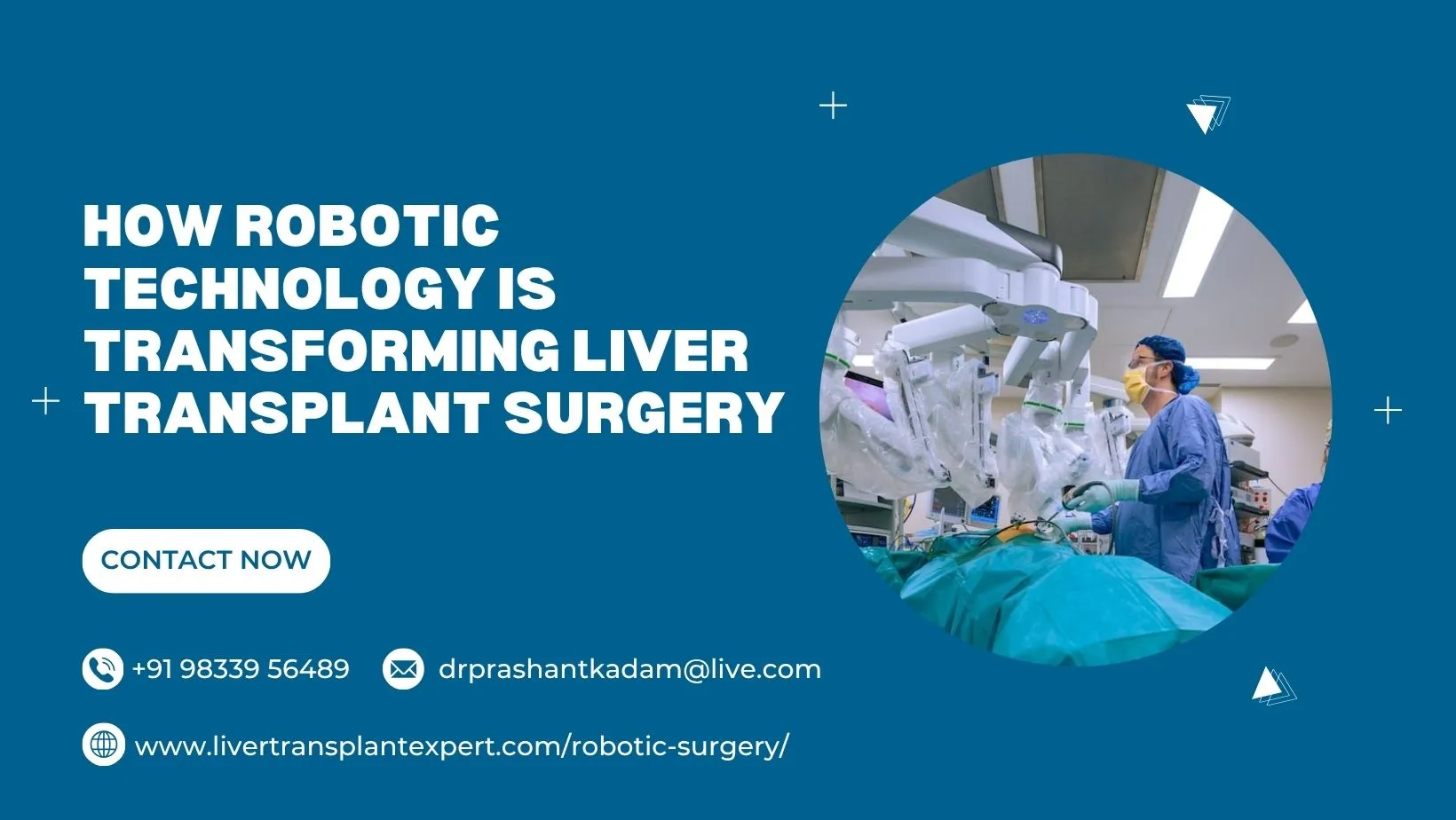

A Robotic Liver Transplant represents one of the most significant advances in modern transplant surgery. Robotic technology has changed the way surgeons approach complex liver procedures by offering greater precision, improved visualization, and enhanced control during selected stages of surgery. While robotic systems do not replace the skill of an experienced transplant surgeon, they provide advanced tools that can support carefully planned surgical procedures.
As liver transplant techniques continue to evolve, more transplant centres are incorporating robotic-assisted methods into their surgical programmes where clinically appropriate. This progress reflects a growing focus on improving surgical precision, enhancing patient recovery, and delivering personalised care based on internationally accepted transplant guidelines.
The Evolution of Liver Transplant Surgery
Liver transplantation has advanced considerably over the past few decades. Improvements in surgical techniques, anaesthesia, imaging technology, critical care, and immunosuppressive therapy have significantly enhanced patient outcomes.
The introduction of robotic liver surgery marks another important step in this evolution. Robotic surgical platforms provide surgeons with high-definition three-dimensional imaging and highly flexible instruments that can perform delicate movements with exceptional accuracy. These features can be particularly valuable during complex hepatobiliary procedures that require careful dissection around blood vessels and bile ducts.
Despite these technological advances, international transplant guidelines continue to emphasise that patient selection and surgeon expertise remain the most important factors influencing successful outcomes.
How Robotic Technology Works
A robotic surgical system is controlled entirely by the operating surgeon. The robotic platform does not perform surgery independently or make clinical decisions.
Instead, the surgeon operates from a specialised console while robotic instruments translate hand movements into highly precise surgical actions. The system also reduces natural hand tremors and allows better access to difficult anatomical areas.
This combination of precision and enhanced visualisation helps surgeons perform selected procedures with greater confidence while preserving important surrounding structures whenever possible.
Greater Precision During Complex Procedures
The liver contains an intricate network of arteries, veins, bile ducts, and delicate tissue. Liver transplant surgery requires exceptional surgical accuracy because even small technical errors can affect the success of the operation.
A Robotic Liver Transplant offers several technical advantages during selected procedures:
- High-definition three-dimensional magnified vision
- Wristed instruments with a wide range of motion
- Improved precision during delicate tissue handling
- Better access to confined surgical spaces
- Stable camera control throughout the procedure
These features help experienced transplant surgeons perform complex surgical steps with enhanced control while following established transplant protocols.
Benefits for Carefully Selected Patients
Not every patient is a candidate for robotic-assisted surgery. However, for appropriately selected individuals, robotic technology may offer several potential benefits.
Depending on the patient's condition and the specific procedure, these may include:
Smaller Surgical Incisions
Robotic techniques often require smaller incisions than traditional open surgery in selected cases, which may reduce tissue trauma.
Reduced Postoperative Discomfort
Smaller incisions can contribute to less postoperative pain for some patients, although recovery varies between individuals.
Earlier Recovery
Many patients undergoing minimally invasive procedures may experience earlier mobilisation and a shorter hospital stay when compared with conventional surgery, provided no complications occur.
Improved Cosmetic Results
Smaller incisions generally leave less noticeable scars, which some patients consider an additional benefit.
Clinical outcomes always depend on careful patient selection, surgical expertise, and comprehensive postoperative care.
The Growing Role of Robotic HPB Surgery
Modern robotic HPB surgery has expanded beyond liver transplantation to include treatment for liver tumours, bile duct disorders, pancreatic diseases, and living donor liver procedures in selected cases.
Experienced transplant centres increasingly use robotic platforms for complex hepatopancreatobiliary operations where clinical evidence supports their use. These procedures require extensive training and should only be performed by surgeons with specialised expertise in both robotic surgery and liver transplantation.
As technology continues to develop, robotic HPB surgery is expected to play an even greater role in managing complex liver diseases.
Importance of Surgeon Experience
Advanced technology alone cannot guarantee successful transplant outcomes.
An experienced HPB surgeon combines technical expertise with clinical judgment to determine whether robotic surgery is appropriate for each patient. Factors such as liver disease severity, previous surgeries, donor characteristics, and overall health influence surgical planning.
International transplant organisations recommend that robotic-assisted procedures should only be performed in experienced centres with multidisciplinary transplant teams and appropriate infrastructure.
Robotic Liver Transplant in India
The adoption of Robotic Liver Transplant in India has increased as leading transplant centres continue investing in advanced surgical technology and specialised training.
India has become an important destination for complex liver surgery because of experienced transplant specialists, modern hospitals, and comprehensive multidisciplinary care. Several centres now offer robotic-assisted liver procedures for carefully selected patients while following internationally recognised clinical guidelines.
Patients should remember that robotic surgery is not suitable for every transplant case. A complete medical evaluation helps determine the safest and most effective treatment approach.
Multidisciplinary Care Remains Essential
Successful liver transplantation depends on much more than the operation itself.
A comprehensive transplant programme includes hepatologists, transplant surgeons, anaesthesiologists, radiologists, intensivists, transplant coordinators, nutritionists, physiotherapists, infection control specialists, and nursing teams.
This coordinated approach supports patients before surgery, during hospitalisation, and throughout long-term recovery. International organisations, including the World Health Organization (WHO), Mayo Clinic, NHS, and leading transplant societies, recognise multidisciplinary care as a cornerstone of successful liver transplant programmes.
The Future of Robotic Liver Transplantation
Continuous innovation is shaping the future of liver transplant surgery. Improvements in robotic imaging, artificial intelligence-assisted planning, surgical navigation, and precision instruments may further enhance transplant procedures in the coming years.
However, technological progress will always complement—not replace—the expertise of skilled transplant surgeons and multidisciplinary teams.
Specialists such as Dr Prashant Kadam, who focus on liver transplantation, advanced hepatopancreatobiliary surgery, and minimally invasive techniques, reflect the growing emphasis on combining surgical expertise with modern technology to deliver evidence-based patient care.
As robotic systems continue to evolve, Robotic Liver Transplant is expected to remain an important part of advanced liver surgery for carefully selected patients. When performed by experienced surgeons following established clinical guidelines, robotic technology has the potential to enhance precision, support recovery, and contribute to high-quality transplant care while maintaining patient safety as the highest priority.





























Sign in to leave a comment.