
Basement drainage solutions play a crucial role not only in managing water infiltration but also in addressing related issues such as humidity and mold growth. Basements are prone to high humidity levels due to their below-ground location and susceptibility to moisture intrusion. When left unchecked, elevated humidity can create the ideal environment for mold and mildew to thrive, posing health risks and causing structural damage. In this article, we\'ll explore how basement drainage solutions can effectively mitigate humidity and mold issues, providing homeowners with a safer and healthier living environment.
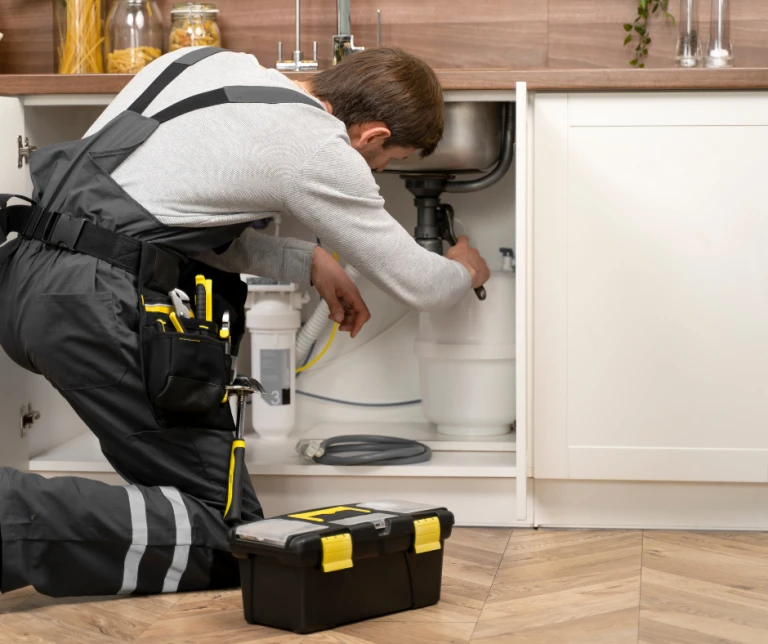
Understanding the Link Between Basement Moisture and Mold
Before delving into the role of drainage solutions, it\'s essential to understand the connection between basement moisture and mold growth. Basements are susceptible to moisture infiltration from various sources, including groundwater seepage, surface runoff, and plumbing leaks. This moisture can accumulate on surfaces such as walls, floors, and ceilings, creating the perfect breeding ground for mold spores.
Mold requires three primary components to thrive: moisture, a food source (organic materials like wood or drywall), and suitable temperatures. Basements often provide these ideal conditions, making them susceptible to mold infestations. High humidity levels further exacerbate the problem by promoting mold growth and spreading spores throughout the indoor environment.
How Basement Drainage Solutions Help
Basement drainage solutions are designed to manage water infiltration and redirect excess moisture away from the foundation and interior spaces. By addressing the root cause of moisture intrusion, these systems can effectively reduce humidity levels and prevent mold growth. Here\'s how basement drainage solutions can help mitigate humidity and mold issues:
1. Moisture Management: The primary function of basement drainage systems is to channel water away from the foundation and basement walls. Interior drainage systems, such as French drains or interior weeping tile systems, collect water that seeps through cracks or accumulates along the foundation walls. This collected water is then directed towards a sump pump for removal from the basement. By effectively managing moisture, drainage solutions help prevent standing water and damp conditions that contribute to mold growth.
2. Ventilation Improvement: In addition to managing moisture, basement drainage solutions can improve ventilation and airflow within the basement. Proper ventilation helps reduce humidity levels by promoting air circulation and allowing moisture to dissipate more efficiently. Installing vents or exhaust fans in conjunction with drainage systems can further enhance airflow and ventilation, creating a less hospitable environment for mold growth.
3. Encapsulation and Waterproofing: Basement waterproofing and encapsulation techniques can complement drainage solutions by creating a moisture barrier around the foundation and basement surfaces. Waterproofing coatings or membranes applied to the interior or exterior walls prevent water penetration and seepage. Similarly, encapsulation involves sealing basement surfaces with a moisture-resistant barrier, such as epoxy or polyethylene sheets, to prevent moisture intrusion and inhibit mold growth.
4. Dehumidification: While drainage solutions primarily focus on managing external sources of moisture, supplemental measures such as dehumidifiers can help control indoor humidity levels. Dehumidifiers extract excess moisture from the air, reducing humidity and creating a drier environment that is less conducive to mold growth. Integrating dehumidification with basement drainage solutions can provide comprehensive moisture control and mold prevention.
5. Professional Assessment and Maintenance: Proper installation and maintenance of basement drainage systems are essential for their effectiveness in controlling humidity and mold. It\'s recommended to consult with a professional waterproofing contractor or basement specialist to assess your specific moisture issues and recommend appropriate drainage solutions. Regular inspection and maintenance of drainage systems, including cleaning of sump pumps and monitoring for signs of leaks or blockages, are crucial for ensuring optimal performance and preventing mold-related problems.
Conclusion
Basement drainage solutions play a vital role in managing moisture infiltration and preventing humidity-related issues such as mold growth. By effectively redirecting water away from the foundation, improving ventilation, and implementing supplemental measures like waterproofing and dehumidification, homeowners can create a drier, healthier basement environment. Investing in professional assessment, installation, and maintenance of drainage systems is key to mitigating humidity and mold concerns and preserving the structural integrity and indoor air quality of the home. With proper drainage solutions in place, homeowners can enjoy a safer, more comfortable basement space free from the detrimental effects of excess moisture and mold.



























Sign in to leave a comment.