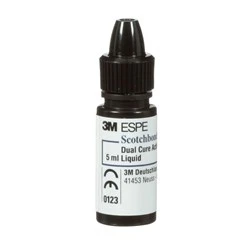

In the world of modern dentistry, precision and reliability are crucial. One of the unsung heroes behind long-lasting restorations and confident smiles is Scotchbond, a revolutionary dental adhesive system developed to ensure strong, durable bonds between restorative materials and tooth structures. This innovation has redefined how dentists approach bonding, making restorative procedures more efficient, predictable, and aesthetically pleasing. The critical role of Scotchbond extends far beyond simple adhesion - it represents the foundation of successful restorative dentistry.
Understanding Dental Adhesion
Dental adhesion is the process of bonding restorative materials, such as composite resins, to enamel and dentin. Achieving a secure bond requires meticulous preparation and the right adhesive. In earlier decades, bonding was one of the biggest challenges in restorative dentistry due to the structural differences between enamel and dentin. Enamel is highly mineralised, while dentin contains more organic matter and fluid-filled tubules. This made achieving consistent, long-lasting adhesion difficult - until advanced bonding systems like Scotchbond changed the game.
What Makes Scotchbond Unique
Scotchbond, developed by 3M, revolutionised dental bonding by combining simplicity with superior performance. It utilises a unique chemistry that promotes strong micromechanical and chemical adhesion. This ensures the bond between the restoration and the tooth remains secure under stress, temperature changes, and chewing forces. The product line includes systems like Scotchbond Universal Adhesive, which can be used in multiple etching modes - total-etch, self-etch, or selective-etch - offering versatility to dental professionals based on specific case requirements.
Scotchbond’s formulation includes innovative monomers like MDP (methacryloyloxydecyl dihydrogen phosphate), which chemically bonds to calcium in the tooth structure. This dual adhesion mechanism enhances durability while minimising post-operative sensitivity, providing both strength and comfort for patients.
Benefits of Using Scotchbond in Restorative Dentistry
Scotchbond adhesives provide a range of advantages that contribute to clinical success and patient satisfaction:
· Exceptional Bond Strength: Creates durable connections between enamel, dentin, and restorative materials.
· Reduced Sensitivity: Minimises discomfort for patients after restorative procedures.
· Time Efficiency: Simplifies the bonding process with fewer steps, saving valuable chair time.
· Moisture Tolerance: Performs reliably even in less-than-ideal conditions, reducing the risk of bond failure.
· Versatility: Compatible with a wide range of restorative materials, including composites, glass ionomers, and ceramics.
By combining ease of use with advanced bonding performance, Scotchbond enhances the predictability of restorations, from simple fillings to complex prosthetic work.
Clinical Applications
Scotchbond is used in a variety of restorative and cosmetic procedures, such as:
- Direct composite restorations
- Indirect restorations like crowns, veneers, and inlays
- Root surface desensitisation
- Bonding orthodontic brackets
- Core build-ups and repair of existing restorations
Its universal compatibility and simplified protocol make it an essential tool for both general and specialised dental practices. Moreover, its consistent results reduce the likelihood of microleakage and marginal staining, improving the longevity and aesthetics of restorations.
The Science Behind the Bond
Scotchbond’s success lies in its chemical engineering. Its hydrophilic and hydrophobic components allow it to penetrate dentin effectively while forming a stable hybrid layer that resists degradation. The adhesive’s ability to create a strong, moisture-resistant interface ensures that restorations maintain integrity over time, even under oral stress. This scientific foundation contributes to fewer restoration failures, reduced chairside adjustments, and improved patient outcomes.
Enhancing Patient Confidence
For patients, Scotchbond’s reliability translates into long-term comfort and confidence. Restorations stay intact, natural-looking, and functional for years. The adhesive’s role in preventing microleakage also helps protect against secondary caries and sensitivity, which are common post-restorative complications. When patients leave the dental chair with a seamless, durable restoration, they benefit from the advanced science working behind the scenes - embodied by Scotchbond’s proven performance.
Final Thoughts
The critical role of Scotchbond in modern dentistry cannot be overstated. By offering superior bond strength, reduced sensitivity, and unmatched versatility, Scotchbond has become a cornerstone of restorative excellence.


























Sign in to leave a comment.