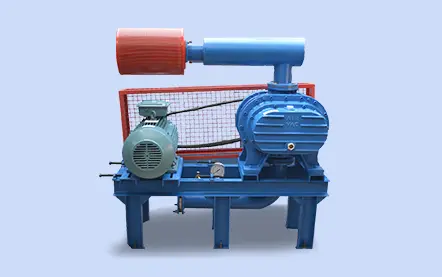

Industrial systems across the world rely on controlled airflow to ensure stability, productivity, and smooth process handling. Whether it’s wastewater treatment, chemical processing, food production, or pneumatic conveying, air-handling equipment plays a vital role in maintaining precision and efficiency. With industries expanding and adopting stricter standards of quality and sustainability, the demand for robust and energy-efficient blower systems has grown significantly. This article explores the importance of dependable blowers, the features that define high-quality machines, and the aspects industries should consider before selecting a long-term air solution.
1. Importance of Controlled Airflow in Industrial Environments
- Many industrial processes require a fixed airflow to maintain consistent output.
- Stable air pressure ensures minimal fluctuations during sensitive operations.
- Controlled air helps reduce downtime, mechanical strain, and production errors.
- Industries like fertilizer production, pharmaceuticals, and cement rely deeply on continuous airflow.
- When airflow remains uniform, machinery operates smoothly, and resource usage becomes more efficient.
2. The Backbone of Process Stability
- Air systems play a central role in numerous stages of production.
- They ensure accurate material flow in pneumatic conveying lines.
- Aeration tanks in wastewater systems depend on consistent air distribution.
- In chemical plants, controlled airflow influences reactions and product quality.
- Many food and beverage processes require clean, dry air to maintain hygiene and safety.
3. What Makes a Blower Reliable for Continuous Operation?
- Industrial blowers must deliver consistent performance even under high load.
- Machines should resist wear and corrosion caused by temperature shifts and harsh environments.
- Low vibration levels help protect internal components and surrounding equipment.
- Advanced sealing mechanisms prevent leakage and protect system integrity.
- Long-term reliability reduces unplanned maintenance costs.
4. Common Types of Blower Technology Used in Industries
- Positive displacement blowers: Known for their accuracy and pressure stability.
- Centrifugal blowers: Ideal for high-volume applications requiring variable airflow.
- Regenerative blowers: Suitable for light industrial needs involving continuous air movement.
- Each type has unique strengths, making it essential to understand the specific requirement before selection.
5. Durable Twin Lobe Blowers
Selecting a trusted twin lobe blower manufacturer becomes crucial when industries depend on consistent performance, precision engineering, and long-lasting mechanical durability.
6. Build Quality That Ensures Long-Term Durability
- High-grade metal alloys improve strength and resistance to demanding operating environments.
- Balanced rotors reduce internal stress, vibration, and noise levels.
- Heat-resistant coatings and corrosion-proof materials extend machine lifespan.
- Precision machining ensures smooth airflow with minimal internal losses.
- Sturdy housings protect critical components from dust, moisture, and chemical exposure.
7. Technological Advancements in Modern Blower Systems
- Modern blowers incorporate refined rotor designs that boost airflow efficiency.
- Noise-reduction technologies help improve the working environment.
- Automated lubrication systems support friction-free movement.
- Smart monitoring tools allow real-time tracking of temperature, airflow, and pressure.
- Updated cooling systems prevent overheating during prolonged operations.
8. Key Industries Benefiting From High-Efficiency Blowers
- Wastewater plants: Require continuous aeration for biological treatment cycles.
- Chemical facilities: Depend on controlled air for oxidation, filtration, and process reactions.
- Cement manufacturing: Uses blowers for blending, kiln feeding, and dust reduction.
- Food sector: Relies on contamination-free air for packaging and mixing.
- Textiles: Use controlled air for spinning, drying, and ventilation.
- Power plants: Employ blowers for combustion air supply and ash handling.
9. Essential Factors to Consider Before Purchasing a Blower
- Required airflow volume: Determine based on operational load.
- Pressure levels: Must match the system’s back-pressure demands.
- Material compatibility: Should withstand chemicals, moisture, or dust.
- Space availability: Proper spacing ensures good installation and maintenance access.
- Energy consumption: Efficient machines reduce long-term operational expense.
- Noise restrictions: Important for industries with strict acoustic requirements.
- Maintenance needs: Easy-access designs minimize labor time and cost.
10. Importance of Energy Efficiency in Industrial Systems
- Energy-efficient machines help industries cut high electricity costs.
- Reduced heat output promotes equipment safety.
- Smooth operation leads to uniform product quality.
- Facilities with efficient blowers meet global sustainability standards.
- Higher efficiency often results in a quick return on investment.
11. The Value of Reliable After-Sales Support
- Industrial equipment benefits from planned service schedules to maintain performance.
- Readily available spare parts ensure minimal downtime.
- Trained technicians provide guidance for installation, troubleshooting, and optimization.
- Proper after-sales support enhances the machine’s operational life.
- Strong service backing helps companies maintain uninterrupted production.
12. How High-Quality Blowers Improve Overall Productivity
- Consistent airflow reduces the risk of production interruptions.
- Better control over process parameters leads to improved product quality.
- Smooth operation prevents excessive wear on other equipment.
- Efficient blowers enable facilities to run at higher productivity levels.
- Their reliability strengthens day-to-day industrial output.
Final Thoughts
Air-handling systems are essential to industrial growth, efficiency, and safety. As industries modernize, the need for reliable, high-performance blowers becomes increasingly important. Choosing the right system ensures long-term productivity, reduced operating costs, and a more efficient working environment. With the right combination of engineering quality, durability, and performance consistency, modern blower systems help industries achieve their operational goals with greater stability and confidence.










Sign in to leave a comment.