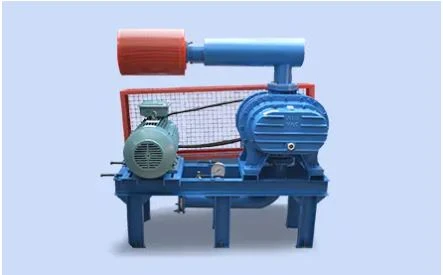

In the world of industrial air handling, where consistency, durability, and performance are critical, twin lobe blowers have carved out a reputation for excellence. Used across industries ranging from wastewater treatment to food processing, these positive displacement blowers deliver a constant flow of air or gas regardless of system pressure fluctuations. They have become indispensable in systems that require oil-free air, high efficiency, and reliable operation.
Whether you're an engineer planning a new system or a plant manager looking to replace outdated equipment, understanding how twin lobe blowers work and how to choose the right one is key to optimizing performance and minimizing costs.
What Is a Twin Lobe Blower?
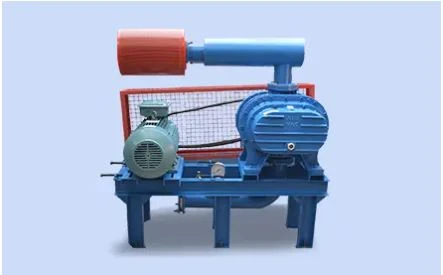
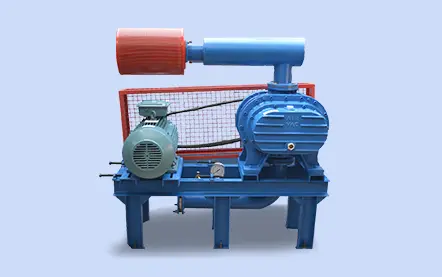
A twin lobe blower, often referred to as a Roots blower, operates on the positive displacement principle. Two lobes rotate in opposite directions inside a casing, capturing and directing air from inlet to outlet. side. Unlike centrifugal blowers that rely on impellers and pressure changes, twin lobe blowers deliver a constant volume of air, making them suitable for applications where steady flow is vital.
This steady, non-pulsating air delivery makes them ideal for applications such as:
- Aeration in sewage treatment plants
- Pneumatic conveying of dry bulk materials
- Gas boosting in process industries
- Aquaculture and fish pond aeration
- Furnace and combustion air supply
- Vacuum applications like milking systems or packaging
Benefits of Twin Lobe Blower Technology
Industries choose twin lobe blowers for their performance reliability, low maintenance, and adaptability. Here are some core advantages:
✅ Consistent Airflow
These blowers provide a continuous and stable stream of air, which is essential for aeration tanks, pneumatic conveying, and other process-driven systems.
✅ Oil-Free Operation
The compression chamber remains completely oil-free, ensuring clean air delivery for sensitive applications like food processing and pharmaceuticals.
✅ High Durability
Designed to operate under demanding conditions, they are constructed with robust materials like cast iron or stainless steel, providing long-term performance.
✅ Minimal Maintenance
With fewer moving parts and external gear lubrication, routine maintenance is simple and cost-effective.
✅ Wide Pressure Range
Twin lobe blowers are capable of handling both pressure and vacuum applications, making them highly versatile across sectors.
Key Features to Consider When Selecting a Blower
Not all blowers are built the same. When evaluating options for your facility, the following features should be closely examined:
- Flow Rate (m³/hr or CFM): Choose a blower that meets the specific air volume your application requires.
- Pressure or Vacuum Range: Ensure the blower can operate effectively under your pressure or vacuum conditions.
- Cooling Type: Air-cooled systems are simpler, while water-cooled variants are better for high-temperature operations.
- Noise Control: Integrated silencers and acoustic enclosures can significantly reduce operating noise.
- Build Material: Corrosion-resistant options are ideal for harsh or chemical-laden environments.
- Footprint and Installation: Evaluate the space available and choose a blower with a suitable base and layout.
Selecting the right equipment from a reliable twin lobe blower manufacturer ensures long-term reliability and optimized system performance.
Applications Across Industries
Twin lobe blowers are widely used in numerous industrial operations due to their adaptability and efficiency. Here are some examples:
🏭 Wastewater Treatment
- Aeration of biological reactors
- Agitation of sludge tanks
- Odor control systems
🚜 Agriculture and Dairy
- Vacuum generation in milking systems
- Grain silo aeration
- Fish farming aeration
🧪 Chemical & Petrochemical
- Gas boosting and flaring
- Process air for combustion
- Pressure transfer systems
🏗️ Cement & Bulk Handling
- Conveying cement, lime, and fly ash
- Unloading cement tankers
- Dust collection systems
🥫 Food & Beverage
- Vacuum packaging
- Material conveying (sugar, flour, grain)
- Aeration in fermentation processes
Installation and Operational Best Practices
Once you’ve selected the appropriate blower, proper installation and operation are essential for maximizing efficiency and lifespan. Here are some key tips:
- 📐 Level Foundation: Install on a rigid, level base to reduce vibration.
- 🔧 Use Proper Alignment: Ensure motor and blower shafts are correctly aligned to prevent wear.
- 🛢️ Lubrication Monitoring: Regularly check gear oil levels and change according to the manufacturer's guidelines.
- 🧽 Filter Maintenance: Clean or replace inlet filters to prevent dirt and debris from entering the blower.
- 🧊 Cooling System Checks: Monitor air or water cooling systems, especially in continuous operations.
- 🔊 Noise Reduction: Use silencers or enclosures where sound levels are a concern.
Accessories That Improve Blower Performance
While the blower is the central component, additional accessories can enhance its functionality, safety, and efficiency:
- Inlet/Outlet Silencers – Reduce pulsating noise and improve working conditions.
- Non-Return Valves – Prevent backflow of air or gas during system shutdowns.
- Flexible Couplings – Minimize vibration while adjusting for slight shaft misalignments.
- Pressure Relief Valves – Ensure system safety in case of pressure spikes.
- Base Frames – For secure mounting and easy mobility.
Adding these components helps maintain system stability and extends the life of the blower.
Environmental and Operational Efficiency
With rising energy costs and environmental concerns, industries are under pressure to adopt energy-efficient technologies. Modern twin lobe blowers are being designed with low-slip profiles, better sealing, and optimized flow paths that reduce power consumption.
Some units also offer integration with VFDs (Variable Frequency Drives) for dynamic airflow control, reducing energy use during low-demand periods. For industries aiming for green certifications or ESG targets, these blowers offer a practical and impactful solution.
Conclusion
Twin lobe blowers remain a trusted and reliable solution for various industrial applications due to their robust design, consistent performance, and oil-free operation. They continue to evolve with advancements in materials, design precision, and energy efficiency.
When it comes to making a capital investment in air handling systems, carefully evaluating your operational needs and working with an experienced twin lobe blower manufacturer ensures you get the best value—both in performance and longevity. With the right blower in place, you can expect smoother operations, reduced maintenance, and lower energy costs across your facility.










Sign in to leave a comment.