

In today's hyperconnected digital economy, Data Center Security has become the cornerstone of enterprise resilience across the Kingdom of Saudi Arabia. As organizations in Riyadh, Jeddah, and beyond migrate mission-critical workloads to modern facilities, protecting these environments from physical intrusion, cyberattacks, and data loss is no longer optional — it is a strategic imperative for business continuity, customer trust, and regulatory compliance in a rapidly digitizing economy.

This guide explores the technologies, frameworks, and best practices that Saudi enterprises need to build a resilient, future-ready security posture — from encryption and firewalls to surveillance, access governance, and regional compliance requirements unique to the Kingdom.
The Growing Threat Landscape Facing Gulf Region Infrastructure
Critical infrastructure across the GCC has seen a marked rise in targeted intrusion attempts over the past several years, ranging from opportunistic ransomware campaigns to highly coordinated, state-sponsored espionage. Facilities that host banking systems, government records, telecommunications, and healthcare data are especially attractive targets because the downstream impact of an outage or leak extends far beyond a single organization. This reality has pushed enterprise leaders to treat physical and digital protection as a single, unified discipline rather than two separate budget lines.
Common attack vectors observed in the region include phishing-led credential theft, exploitation of unpatched network appliances, social engineering targeting on-site staff, and supply-chain compromises through third-party vendors. A resilient facility anticipates all of these vectors simultaneously, rather than hardening against the most recent headline-making incident alone.
Why Data Center Security Matters for Saudi Enterprises Today
Saudi Arabia's Vision 2030 agenda has accelerated cloud adoption, smart-city infrastructure, and digital government services, pushing enterprise data volumes to unprecedented levels. This growth has made critical infrastructure a prime target for ransomware groups, nation-state actors, and insider threats. Regulatory bodies such as the National Cybersecurity Authority (NCA) and the Saudi Data and AI Authority (SDAIA) have responded with stringent controls that hold organizations accountable for how sensitive data is stored, processed, and protected.
A single breach can trigger regulatory penalties, reputational damage, and operational downtime — which is why forward-looking enterprises are investing in layered, resilient protection rather than reactive fixes.
Cybersecurity for Data Center Infrastructure: A Layered Défense Approach
Cybersecurity for Data Center environments demands a defence-in-depth strategy that spans network, application, endpoint, and physical layers simultaneously. No single control is sufficient on its own; instead, enterprises should align their architecture with internationally recognized frameworks such as ISO/IEC 27001, NIST SP 800-53, and SOC 2 Type II, layering redundant controls so that a failure at one point does not compromise the entire environment.
- Network segmentation to isolate critical workloads from general traffic
- Continuous vulnerability scanning and patch management
- Zero-trust identity verification for every user and device
- Redundant power, cooling, and failover systems to support uptime SLAs
Data Center Encryption: Protecting Data at Rest and in Transit
Data Center Encryption ensures that even if storage media or network traffic is intercepted, the underlying information remains unreadable to unauthorized parties. Enterprise-grade deployments typically rely on AES-256 encryption for data at rest, TLS 1.3 for data in transit, and hardware security modules (HSMs) for centralized, tamper-resistant key management. Combined with strict key-rotation policies, encryption transforms stolen data into a worthless asset for attackers.
Data Center Firewalls: The First Line of Network Défense
Data Center Firewalls filter and inspect every packet entering or leaving the environment, blocking malicious traffic before it reaches critical systems. Next-generation firewalls (NGFWs) go further, combining deep packet inspection, application-layer filtering, and automated DDoS mitigation to stop sophisticated, multi-vector attacks in real time. When paired with micro-segmentation, firewalls also contain lateral movement, limiting the blast radius of any single compromised server.
Data Center Access Control: Restricting Physical and Digital Entry
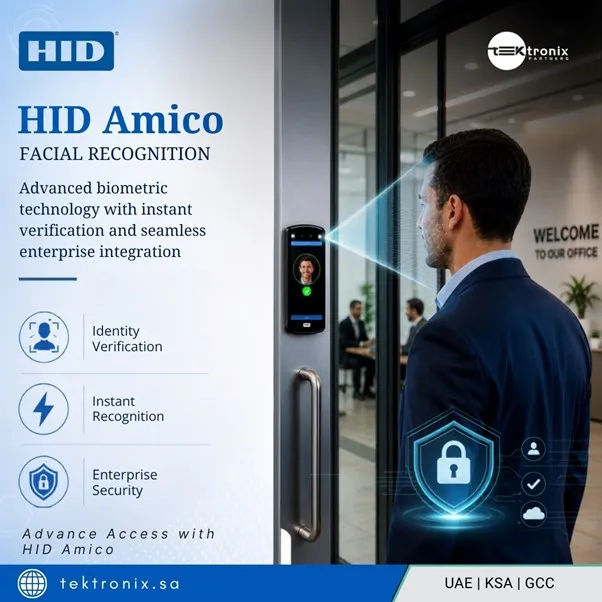
Data Center Access Control governs who can physically or digitally reach sensitive infrastructure. Leading facilities combine biometric authentication, smart-card credentials, mantrap entry vestibules, and role-based access policies to ensure that only authorized, verified personnel reach server halls. On the digital side, multi-factor authentication and least-privilege per missioning prevent credential theft from translating into full system compromise.
Data Center Surveillance: Continuous Visual Monitoring
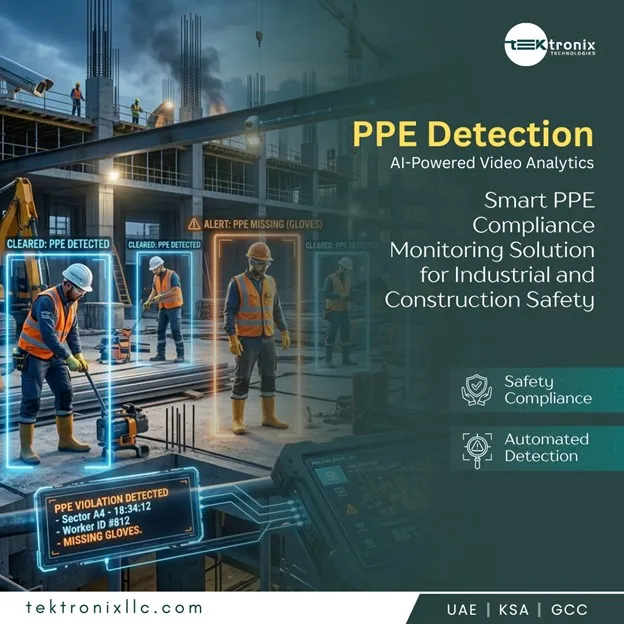
Data Center Surveillance provides the visual evidence and real-time awareness that automated systems alone cannot deliver. High-definition CCTV networks, AI-powered video analytics, and 24/7 security operations center (SOC) monitoring work together to flag unusual movement, unauthorized loitering, or tailgating attempts at entry points — creating a verifiable audit trail for compliance audits and incident investigations.
Data Center Intrusion Detection: Identifying Unauthorized Activity
Data Center Intrusion Detection systems (IDS) continuously analyse network and perimeter activity to flag deviations from established baselines. Signature-based detection catches known attack patterns, while anomaly-based engines identify novel threats by their behaviour rather than a pre-existing fingerprint. Integrated with perimeter sensors, vibration detectors, and door-contact alarms, an IDS closes the gap between a breach attempt and a security team's response.
Data Center Threat Detection: Proactive Risk Management
Data Center Threat Detection shifts organizations from a reactive to a proactive security posture. Security Information and Event Management (SIEM) platforms aggregate logs across firewalls, servers, and access systems, applying behavioural analytics and threat intelligence feeds to surface early indicators of compromise. Paired with a documented incident-response plan, proactive threat detection can reduce containment time from days to minutes.
Data Center Security KSA: Navigating the Regulatory Landscape
Data Center Security KSA initiatives are increasingly shaped by the NCA's Essential Cybersecurity Controls (ECC), the Cloud Cybersecurity Controls (CCC), and sector-specific frameworks such as SAMA's guidelines for financial institutions. Data residency requirements also mean that many enterprises must keep regulated data within Saudi borders, making locally compliant, audited facilities a non-negotiable requirement rather than a convenience.
Data Center Security Riyadh: Localized Solutions for the Capital's Digital Hub
Data Center Security Riyadh solutions benefit from proximity to enterprise headquarters, government entities, and the Kingdom's growing cluster of hyperscale and colocation facilities. Local expertise means faster on-site incident response, familiarity with municipal and national compliance requirements, and integration support for enterprises running hybrid on-premises and cloud environments across the capital region.
Choosing the Right Data Center Security Partner
With more than a decade of hands-on experience deploying enterprise security infrastructure across the Kingdom, Tektronix brings certified engineers, ISO-aligned project methodologies, and proven integrations with leading global security technology vendors to every deployment. Our teams have delivered surveillance, access governance, and network-security projects for organizations spanning banking, government, healthcare, and logistics — giving us a practical, field-tested understanding of what Saudi enterprises actually need to stay protected and compliant.
Enterprises evaluating a partner should look for demonstrable local project experience, vendor-certified engineering staff, 24/7 support capability, and a track record of successful audits. You can explore Tektronix's data center security solutions to see how these principles translate into real-world deployments.
For enterprises ready to strengthen their infrastructure, our team offers a detailed assessment covering encryption posture, access governance, and threat-monitoring readiness. Learn more through Tektronix's comprehensive data center protection services, or review our full range of data center security offerings to identify the right fit for your environment.
Proven Experience Behind Every Deployment
Trustworthy security recommendations are grounded in field experience, not theory alone. Tektronix engineers hold vendor certifications across leading network security, surveillance, and access-control platforms, and our project teams follow documented commissioning and handover procedures aligned with ISO 9001 quality standards. Every deployment includes as-built documentation, tested failover scenarios, and a post-implementation review so that clients retain full visibility into how their environment is protected.
- Certified engineering staff across firewall, surveillance, and access-control platforms
- Project delivery aligned with ISO 9001 and regional compliance frameworks
- Documented incident-response playbooks tailored to each client environment
- Post-deployment audits and performance reviews to validate real-world resilience
Best Practices Checklist for Strengthening Enterprise Resilience
Before finalizing a security roadmap, enterprise IT and facilities teams should validate the following fundamentals:
- Conduct an annual third-party audit against NCA Essential Cybersecurity Controls
- Test failover and incident-response procedures at least twice per year
- Review access logs and revoke unused credentials on a quarterly basis
- Verify encryption key-rotation schedules are being followed without exception
- Confirm surveillance footage retention meets regulatory minimums
- Benchmark firewall rule sets against current threat intelligence feeds
Conclusion
Saudi enterprises can no longer treat Data Center Security as an afterthought in an environment shaped by Vision 2030's digital ambitions and an escalating threat landscape. A resilient strategy blends Cybersecurity for Data Center architecture, robust Data Center Encryption, and intelligent Data Center Firewalls with disciplined Data Center Access Control, vigilant Data Center Surveillance, and responsive Data Center Intrusion Detection and Data Center Threat Detection capabilities. Meeting Data Center Security KSA regulatory expectations and deploying trusted Data Center Security Riyadh expertise together give enterprises the confidence to scale digitally without compromising protection. Choosing an experienced local partner turns these layered controls into a single, cohesive defence strategy. The organizations that invest now will be best positioned to operate securely, compliantly, and competitively in the years ahead.
FAQs
1. What is included in a comprehensive Data Center Security strategy?
A comprehensive approach combines Data Center Access Control, Data Center Surveillance, network firewalls, encryption, and continuous monitoring so that physical and digital layers reinforce one another rather than operating in isolation.
2. How does Data Center Encryption protect sensitive information?
Data Center Encryption converts data into unreadable ciphertext both at rest and in transit, so that even if storage devices or network traffic are intercepted, attackers cannot extract usable information without the corresponding encryption keys.
3. Why is Data Center Threat Detection important for Saudi enterprises?
Data Center Threat Detection gives organizations early visibility into suspicious behaviour before it escalates into a full breach, which is critical given the rising volume of targeted attacks against critical infrastructure in the region.
4. What regulations shape Data Center Security KSA requirements?
Data Center Security KSA requirements are primarily shaped by the National Cybersecurity Authority's Essential Cybersecurity Controls, sector frameworks like SAMA guidelines, and data residency rules that govern where regulated information may be stored and processed.
5. How can Saudi enterprises get started with Data Center Security Riyadh solutions?
Enterprises can begin with a readiness assessment covering access governance, surveillance, and network defences. Local providers offering Data Center Security Riyadh expertise can guide facility audits, technology selection, and phased implementation aligned to compliance deadlines.
For more information contact us on:
Tektronix Technology Systems
+966 5021 04086
Building No. 8194, Additional No. 4368, Office No. 21, Third Floor
King Abdul Aziz Road, Al Rabie District
Riyadh 13315, Saudi Arabia





























Sign in to leave a comment.