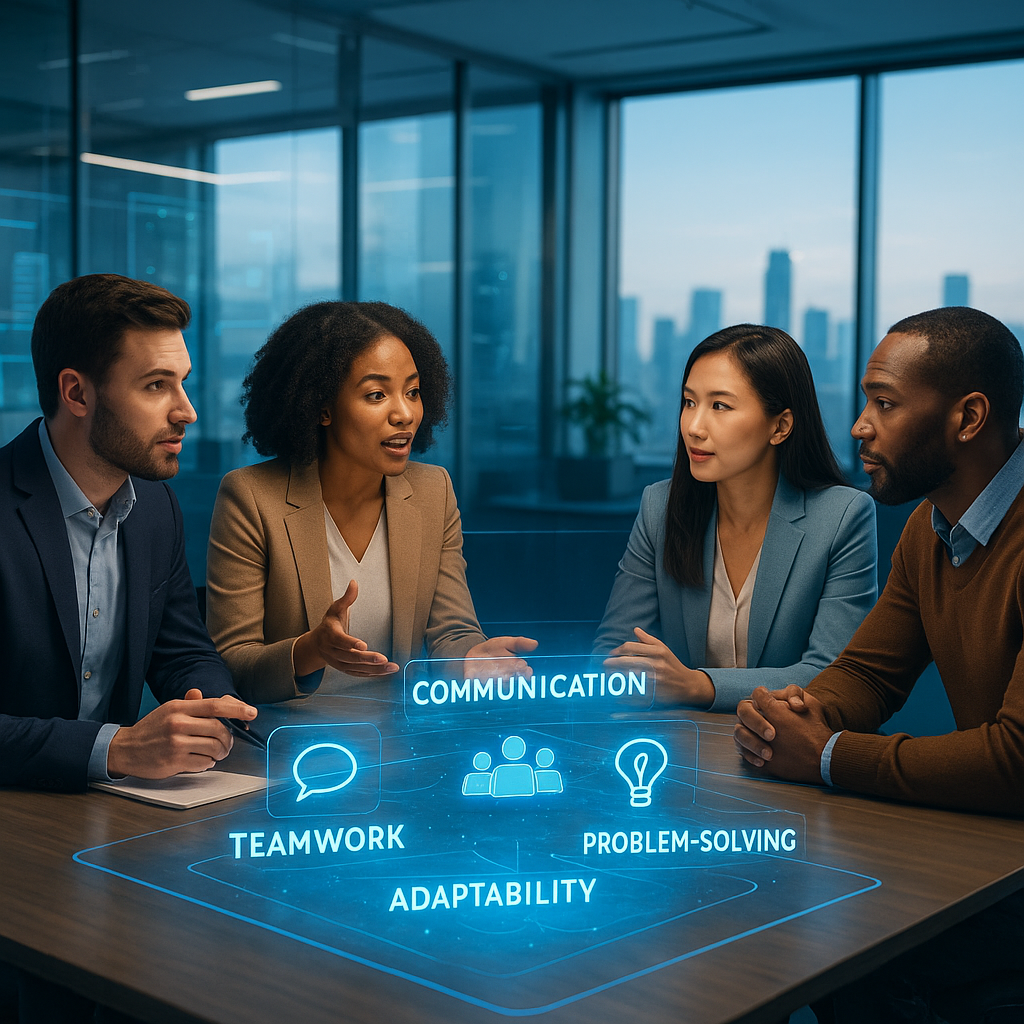

Grasping the Imperative of Soft Skills in the Modern Workplace
In 2026, the job market landscape has shifted dramatically, with soft skills increasingly recognized as pivotal to career advancement. According to a 2025 LinkedIn report, over 92% of employers emphasize soft skills as critical for workplace success, often more so than technical expertise. This shift is not coincidental; as automation and AI handle repetitive tasks, human-centric abilities such as empathy, adaptability, and communication have surged in importance. Imagine a scenario in a multinational tech firm where a project’s success hinged less on coding prowess and more on cross-cultural negotiation and conflict resolution. This example encapsulates the growing premium on nuanced interpersonal skills that machines cannot replicate.
Yet, despite widespread acknowledgment, many professionals struggle to develop and demonstrate these skills effectively. The challenge lies in their intangible nature—unlike hard skills, soft skills require continuous practice, self-awareness, and strategic refinement. For employers, these skills translate directly into enhanced collaboration, innovation, and leadership, making them indispensable in recruitment and retention strategies. The urgency to master advanced soft skills strategies has never been more pronounced.
In this comprehensive analysis, we will dissect the most valued soft skills in 2026, explore advanced techniques for cultivating them, and examine how organizations and individuals are adapting to this paradigm shift. Readers looking to elevate their professional profile or guide teams toward higher performance will find actionable insights grounded in the latest data and expert perspectives.
Historical Context: The Evolution of Soft Skills in Career Development
Soft skills have long been acknowledged as beneficial, but their status has evolved significantly over the past two decades. Traditionally, the focus was predominantly on technical competencies and academic credentials. However, as the global economy shifted toward knowledge-based and service-oriented sectors in the 2010s and 2020s, the value of interpersonal and emotional intelligence surged.
In the early 2020s, the COVID-19 pandemic accelerated remote work adoption, exposing gaps in communication, self-motivation, and digital collaboration skills. This period catalyzed a reevaluation of what constitutes workplace effectiveness. Organizations began prioritizing emotional resilience, adaptability, and virtual communication, elements that are now entrenched in modern hiring frameworks.
Academic institutions and corporate training programs have since recalibrated curricula and employee development plans to integrate soft skills as core competencies. This shift is reflected in extensive research, such as the World Economic Forum’s Future of Jobs reports, which consistently highlight creativity, critical thinking, and interpersonal skills as top future job requirements.
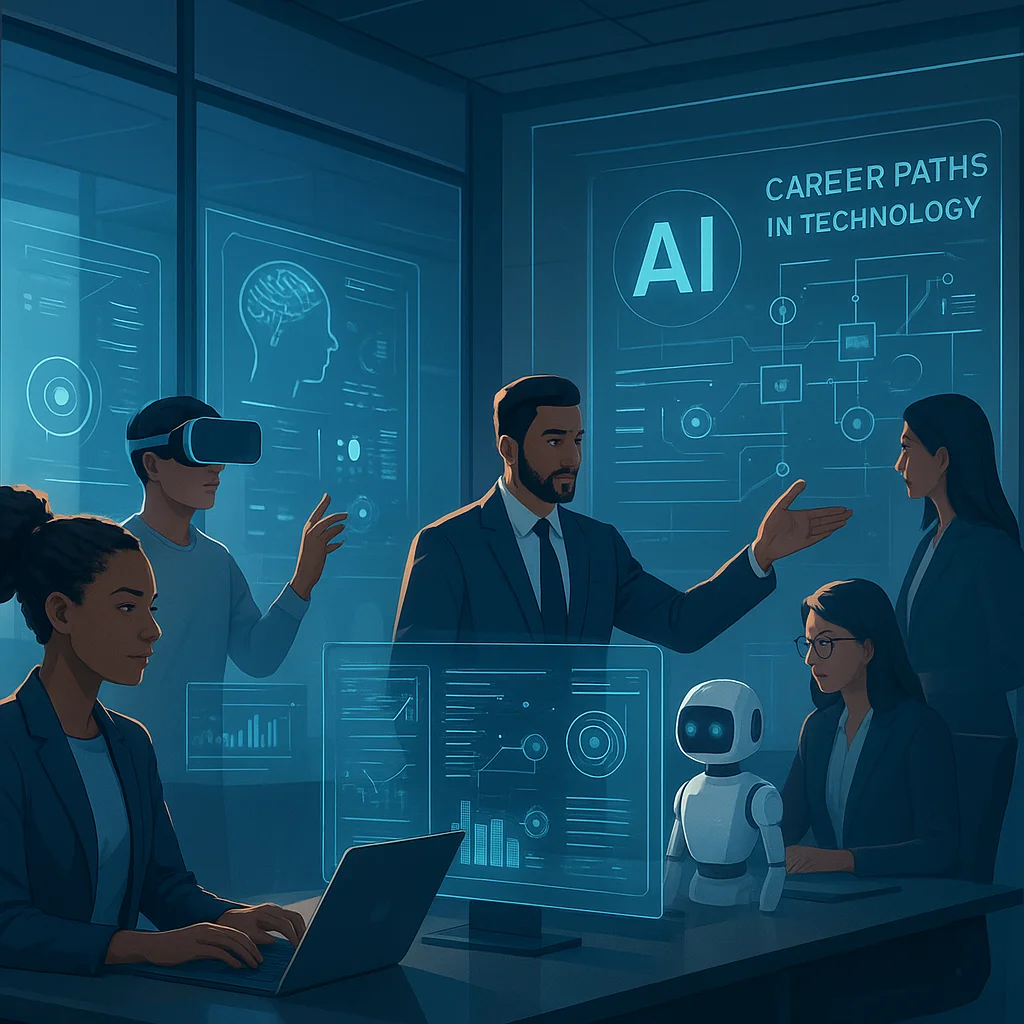
Moreover, the rise of AI and automation since 2023 intensified demands for uniquely human skills. Tasks involving strategic decision-making, ethical judgment, and empathetic leadership became differentiators in roles across industries. The trajectory from optional to essential soft skills underscores the necessity for advanced strategies to master them.
Core Analysis: Identifying and Developing the Most Valued Soft Skills
According to a 2026 survey by Gartner, the top soft skills employers seek today include:
- Emotional Intelligence (EQ): The ability to perceive, understand, and manage emotions in oneself and others.
- Complex Problem Solving: Navigating ambiguous situations with innovative solutions.
- Effective Communication: Clarity, persuasion, and active listening across diverse platforms.
- Adaptability and Resilience: Thriving amid change and recovering from setbacks.
- Collaboration and Teamwork: Building trust and synergizing in multidisciplinary teams.
Developing these skills demands a nuanced approach beyond traditional training. Here are advanced strategies supported by recent studies and expert recommendations:
- Deliberate Practice with Feedback Loops: Professionals should engage in role-playing scenarios and peer reviews to refine interpersonal tactics continuously.
- Mindfulness and Reflective Exercises: Incorporating daily mindfulness practices improves emotional regulation, a foundation of EQ.
- Cross-Cultural Immersion: Exposure to diverse environments enhances adaptability and communication fluency.
- Storytelling Techniques: Mastering narrative skills aids in persuasive communication and leadership influence.
- Leveraging Technology: Using AI-driven platforms for simulated social interactions and real-time communication analytics.
“Soft skills are no longer soft—they are the hard currency of career advancement in 2026,” states Dr. Helena Moritz, a leading organizational psychologist.
These strategies align with findings published by MSN in early 2026, emphasizing fast mastery techniques such as microlearning modules and interactive workshops tailored to real-world challenges. These methods foster experiential learning, ensuring skills are not only understood but internalized and applied effectively.
Current Developments in Soft Skills Training and Employer Expectations
In 2026, the landscape for soft skills development is marked by innovation and integration with technology. Companies increasingly implement AI-enhanced learning platforms that personalize skill-building pathways. For instance, IBM’s Watson Talent now offers adaptive coaching modules that analyze speech patterns and emotional cues during virtual meetings, providing tailored improvement recommendations.
The gig economy’s expansion has also reshaped expectations. Freelancers and remote workers must demonstrate high levels of self-management, communication clarity, and client relationship skills. Consequently, platforms like Upwork and Fiverr have introduced soft skills assessments as part of their credentialing processes.
Employer demand reflects these shifts. A 2026 report from the National Association of Colleges and Employers (NACE) reveals that 85% of hiring managers rank soft skills as equally or more important than technical skills. This is especially pronounced in leadership and client-facing roles.
Additionally, hybrid work models require enhanced digital etiquette and virtual collaboration capabilities. Companies emphasize continuous learning cultures where employees receive ongoing coaching and peer feedback, supported by tools like Microsoft Viva and Slack integrated analytics.
“The future belongs to those who can blend emotional intelligence with technological savvy,” notes Anil Kapoor, Chief Human Resources Officer at a Fortune 500 firm.
For professionals aiming to remain competitive, understanding these trends is critical. It is no longer sufficient to attend a one-off workshop; instead, lifelong learning and iterative skill development are indispensable.
Expert Perspectives and Industry Impact: Voices from the Field
Leading experts across human resources and organizational psychology emphasize that soft skills development is a strategic imperative rather than a checkbox exercise. Dr. Emily Santos, author of Emotional Agility at Work, argues that cultivating emotional intelligence among teams enhances creativity and reduces burnout, directly impacting productivity metrics.
Meanwhile, corporations have begun embedding soft skills criteria into performance evaluations and succession planning. Google’s Project Aristotle, revisited in 2025, reaffirmed that psychological safety, a dimension of soft skills, predicts team effectiveness better than IQ or experience.
Meanwhile, startups are leveraging soft skills as a competitive advantage. For example, a 2025 case study of a San Francisco-based AI startup demonstrated that teams trained intensively in communication and adaptability outperformed others by 30% in product delivery speed and client satisfaction.
From the educational sector, institutions like Effat University have pioneered models integrating soft skills into core curricula, blending academic rigor with real-world application. Their approach, detailed in a recent WriteUpCafe article, shows measurable improvements in graduate employability and workplace readiness.
These perspectives suggest a convergence where soft skills are embedded into organizational DNA, influencing hiring, development, and retention strategies across sectors.
Future Outlook and Actionable Takeaways for Professionals
Looking forward, the emphasis on soft skills will deepen with emerging trends such as AI-human collaboration and globalized workforces. Professionals must anticipate new competencies, including intercultural empathy in virtual environments and ethical decision-making in AI governance roles.
To prepare, individuals should adopt these actionable strategies:
- Engage in Continuous Self-Assessment: Use tools like emotional intelligence quizzes and 360-degree feedback regularly.
- Participate in Cross-Functional Projects: Gain exposure to diverse teams and challenges to enhance adaptability and collaboration.
- Invest in Coaching and Mentorship: Seek mentors who exemplify advanced soft skills and can provide personalized guidance.
- Leverage Digital Platforms: Enroll in microlearning courses focusing on communication, leadership, and resilience.
- Document Soft Skills Development: Create portfolios or journals highlighting examples of applied soft skills in professional contexts.
Employers, too, must continue evolving their talent strategies by integrating these competencies into recruitment algorithms and employee engagement models. Insights from Soft Skills Employers Value Most in 2026: A Career Development Guide provide a foundational blueprint for organizations aiming to embed these skills systematically.
Equipped with these insights and strategies, professionals can navigate the complexities of the 2026 job market more effectively, positioning themselves as indispensable contributors in any organizational setting.
For those interested in complementary skills development, exploring resources like Effat University Has a Simple Answer to the Soft Skills Crisis offers valuable perspectives on integrating soft skills as a core educational priority.





























Sign in to leave a comment.