
Understanding the Rising Importance of Soft Skills in 2026
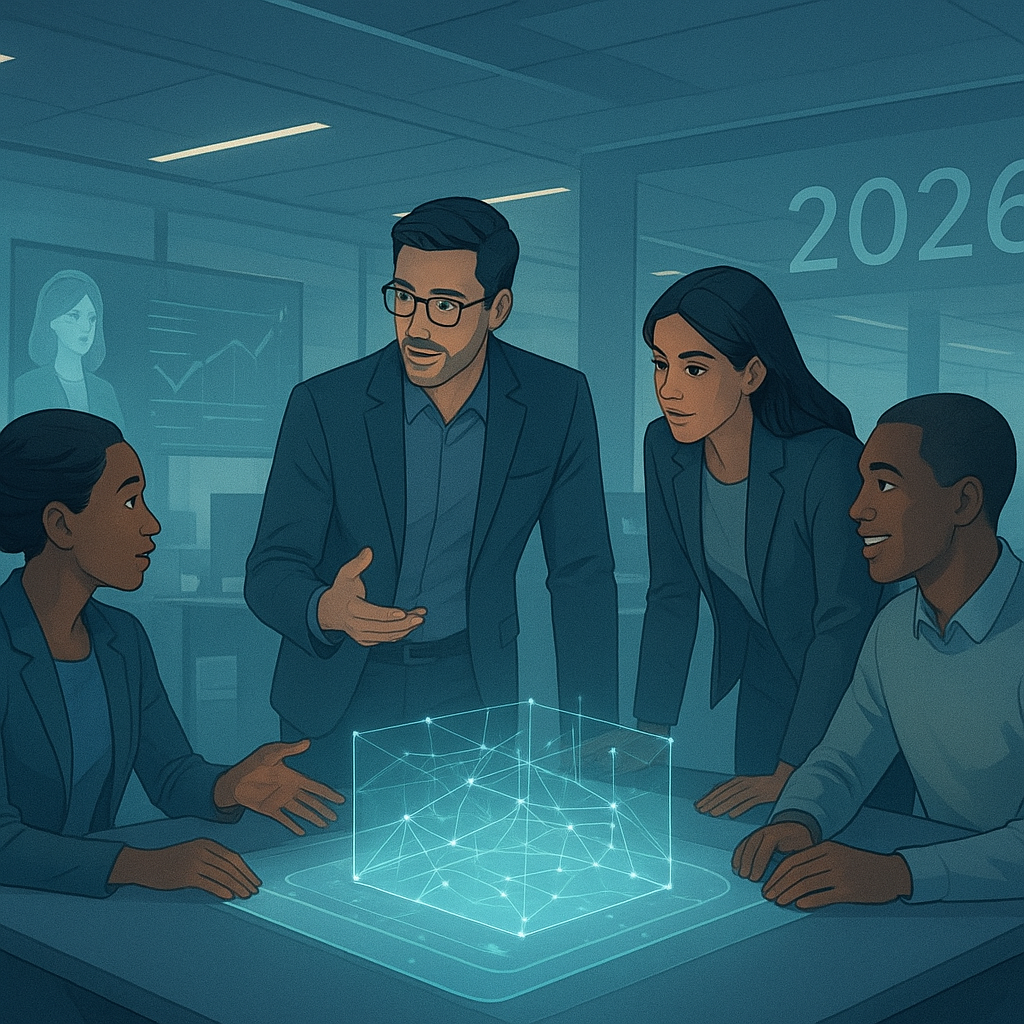
Imagine a bustling modern office in 2026: teams collaborate seamlessly across continents, AI systems handle repetitive tasks, and innovation accelerates at breakneck speed. Yet, despite cutting-edge technology, employers consistently report that the most crucial assets remain human-centered abilities — soft skills. A 2026 LinkedIn Workforce Report reveals that 92% of talent professionals agree soft skills are equally or more important than technical skills for career success. This shift reflects an evolving workplace where communication, adaptability, and emotional intelligence drive organizational performance.
Take the example of global tech giant InnovateX, which recently revamped its recruitment criteria to prioritize candidates’ soft skills alongside technical expertise. According to InnovateX’s HR director, "Our productivity and employee retention improved significantly when we focused on candidates’ collaboration and problem-solving abilities." Such examples illustrate the increasing premium placed on soft skills in hiring decisions and career advancement.
This article explores the soft skills employers value most in 2026, backed by data, expert insights, and real-world examples. We will also examine emerging trends shaping these priorities and offer actionable advice for professionals eager to upskill in these critical areas.
Historical Context: How Soft Skills Gained Prominence
The emphasis on soft skills is not entirely new, but the trajectory over the past two decades has been transformative. Initially overshadowed by a focus on technical prowess during the tech boom of the early 2000s, soft skills gradually entered the spotlight as workplaces became more complex and interconnected.
By the 2010s, globalization and digital transformation had blurred traditional job boundaries, necessitating stronger communication and teamwork skills. Research from the World Economic Forum in 2020 highlighted that by 2025, skills like critical thinking and emotional intelligence would be crucial for 85% of jobs. Fast forward to 2026, these projections have materialized, as industries across sectors now actively seek candidates who excel in both technical and interpersonal domains.
Educational institutions have responded by integrating soft skills training into curricula, yet a gap often remains between academic preparation and employer expectations. This disconnect has sparked initiatives like those at Effat University, which address soft skills as a core competency rather than an afterthought, setting a precedent for holistic workforce readiness.
Core Soft Skills Employers Prioritize in 2026
Current industry analyses converge on a set of soft skills consistently sought by employers. According to a comprehensive survey by AOL, the top soft skills include communication, adaptability, teamwork, problem-solving, and emotional intelligence. These skills are no longer optional but foundational to thriving in dynamic, often hybrid, work environments.
1. Communication: Clear, concise, and empathetic communication remains paramount. Employers value candidates who can articulate ideas effectively across diverse audiences and platforms. This includes verbal, written, and digital communication proficiencies.
2. Adaptability: In a 2026 survey by MSN, adaptability ranked as a critical skill for navigating rapid technological changes and shifting market demands. Employees who embrace change proactively contribute to organizational resilience.
3. Teamwork and Collaboration: The rise of cross-functional teams demands strong cooperative skills. The ability to build trust, resolve conflicts, and leverage diverse perspectives fosters innovation.
4. Problem-solving: Employers seek individuals who approach challenges creatively and analytically, delivering solutions that balance technical feasibility and strategic goals.
5. Emotional Intelligence (EI): Understanding and managing emotions — one's own and others’ — enhances leadership and workplace harmony. Companies increasingly view EI as vital for effective management and customer relations.
"Technical skills might get you the interview, but soft skills will get you the job and keep you there," notes a 2026 report from JagranJosh.com, underscoring the shift in hiring priorities.
Data-Driven Insights
Statistical data reinforces these priorities. For example:
- 92% of employers say good communication is essential for employee success (LinkedIn Workforce Report, 2026).
- 85% report adaptability as a top trait for future-proofing their workforce (MSN, 2026).
- 73% of job postings now explicitly mention teamwork or collaboration skills (Indeed Analytics, 2026).
- Emotional intelligence is cited as a key leadership competency by 78% of Fortune 500 companies (Harvard Business Review, 2026).
These figures demonstrate a clear consensus across industries, from tech to healthcare to finance.
Current Developments Shaping Soft Skill Demand in 2026
Several contemporary trends have recalibrated which soft skills employers prize most in 2026. Firstly, the widespread adoption of hybrid and remote work environments has elevated digital communication and self-management skills. Employees must now navigate asynchronous collaboration tools and maintain productivity without direct supervision.
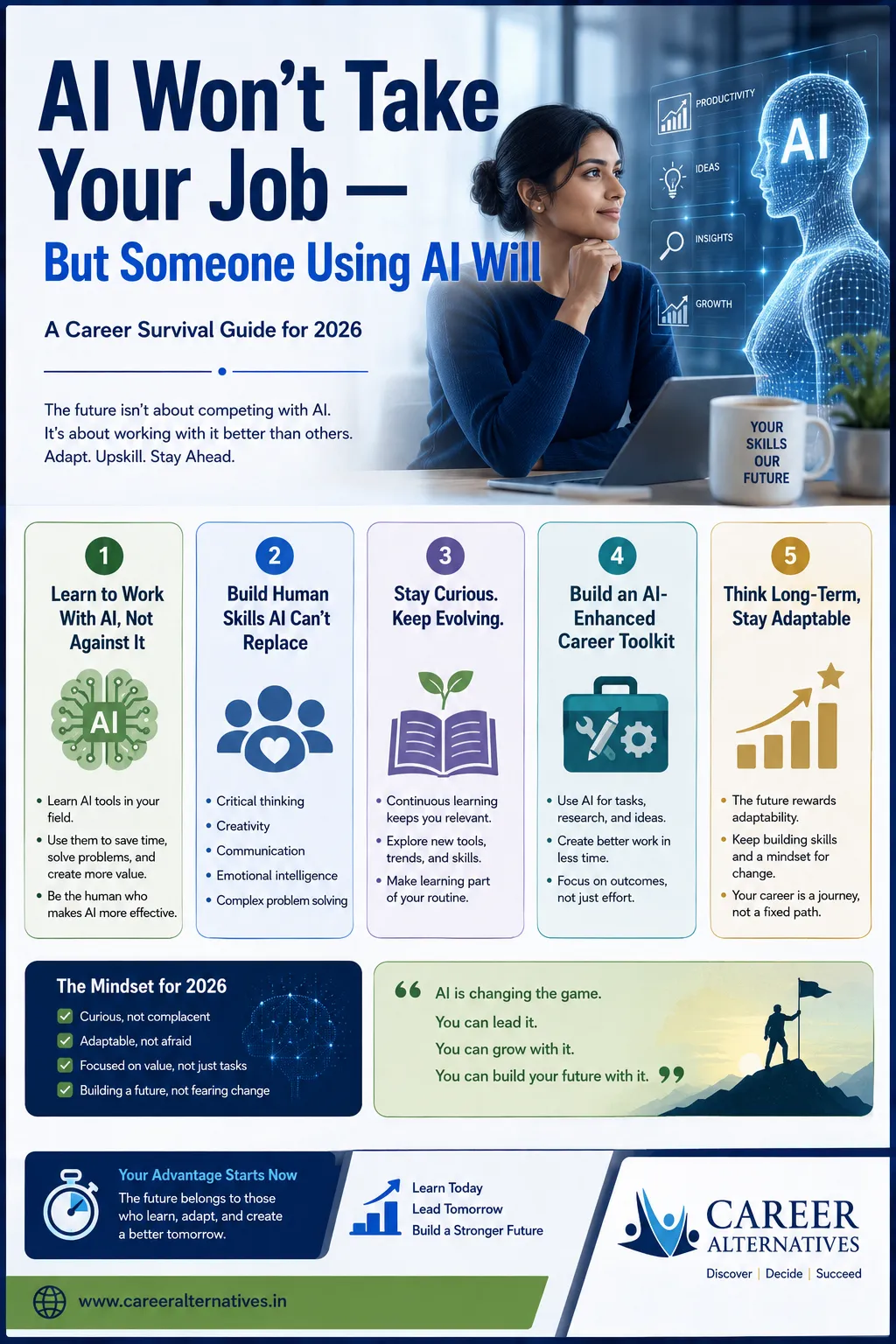
Secondly, the increasing integration of AI and automation has shifted human roles toward tasks requiring creativity, empathy, and judgment. Routine technical tasks are often automated, making uniquely human soft skills the differentiator in performance and career progression.
Thirdly, global workforce diversification compels companies to emphasize cultural sensitivity and inclusive communication. Leaders and employees alike must demonstrate respect for diverse perspectives and mitigate unconscious biases.
These trends are reflected in hiring practices. For example, InnovateX’s recent recruitment campaigns incorporate virtual reality simulations to assess candidates’ communication and adaptability under pressure. Similarly, startups in the fintech sector prioritize problem-solving agility to keep pace with regulatory changes and market volatility.
Moreover, training programs now blend technology with soft skills development. Platforms like Coursera and Udemy offer courses on emotional intelligence and conflict resolution, often coupled with AI-driven feedback. This aligns with findings from WriteUpCafe’s analysis of communication competencies, highlighting the explicit employer demand for these capabilities in emerging markets.
“Soft skills are becoming the currency of employability in an AI-enhanced workplace,” remarks a 2026 article from app.com, emphasizing the competitive advantage they confer.
Expert Perspectives and Industry Impact
Industry leaders and HR experts confirm that soft skills are central to organizational success. Dr. Leena Patel, a workforce development strategist, explains: "Soft skills drive innovation and employee engagement, which translate directly into better business outcomes." According to Patel, companies investing in soft skills training report up to 30% higher employee retention rates.
Consulting firms like McKinsey & Company also stress the strategic importance of these skills. Their 2026 report notes that firms excelling in soft skills integration outperform peers in customer satisfaction and profitability. This is particularly evident in sectors requiring high client interaction, such as healthcare and professional services.
Furthermore, soft skills have become integral to leadership development. Executives are expected to demonstrate empathy, adaptability, and communication mastery to inspire diverse teams. These competencies influence corporate culture and ethical governance, areas under intense scrutiny in 2026.
On a societal level, the growing emphasis on soft skills shapes education and public policy. Governments and NGOs advocate for embedding these skills from early schooling to reduce employment gaps and foster social cohesion.
Practical Takeaways: How Professionals Can Cultivate Valued Soft Skills
For individuals aiming to enhance their employability in 2026, deliberate soft skills development is essential. Here are actionable strategies:
- Engage in active communication practice: Join public speaking clubs, participate in team projects, and seek feedback to improve clarity and empathy.
- Embrace adaptability: Volunteer for new responsibilities, learn new technologies, and stay open to change to build resilience.
- Develop teamwork abilities: Collaborate across disciplines, practice conflict resolution, and foster inclusiveness.
- Sharpen problem-solving skills: Approach challenges methodically, use creative thinking tools, and analyze outcomes for continuous learning.
- Enhance emotional intelligence: Practice mindfulness, seek to understand others’ perspectives, and manage stress effectively.
Complementing these personal efforts, professionals can leverage online courses and certification programs. For instance, the International Award Programme cited in WriteUpCafe’s coverage is gaining recognition for its comprehensive soft skills framework.
Employers, for their part, are encouraged to foster environments that nurture these skills through mentorship, constructive feedback, and inclusive leadership models.
Looking Ahead: The Future of Soft Skills in Employment
As we look beyond 2026, the trajectory suggests an even deeper integration of soft skills in workforce strategies. Emerging technologies like AI will continue to automate routine tasks, making human-centric skills more valuable. Additionally, the rise of the gig economy and decentralized workforces will heighten demand for self-motivation, digital communication, and cross-cultural competence.
Organizations that prioritize continuous soft skills development will enjoy enhanced innovation, agility, and employee satisfaction. Conversely, those neglecting these capabilities risk lagging in a competitive global market.
Moreover, the evolution of assessment technologies promises more nuanced evaluation of soft skills during recruitment and performance reviews, using AI-driven behavioral analytics and virtual simulations.
Ultimately, the convergence of technology and human skills will define career success. Investing in soft skills is no longer optional but a strategic imperative for individuals and organizations alike.
Summary of Key Soft Skills Driving 2026 Careers
- Effective communication across digital and interpersonal channels
- Adaptability to rapid change and uncertainty
- Teamwork with diverse and distributed colleagues
- Creative and analytical problem-solving
- Emotional intelligence to foster collaboration and leadership
For further insights on cultivating essential workplace abilities, explore how to build real-world AWS skills and why task management skills are critical in the evolving job market.































Sign in to leave a comment.